
Ubiquitous Power: Exploring the Crucial Role of Conveyor Belts in Global Logistics

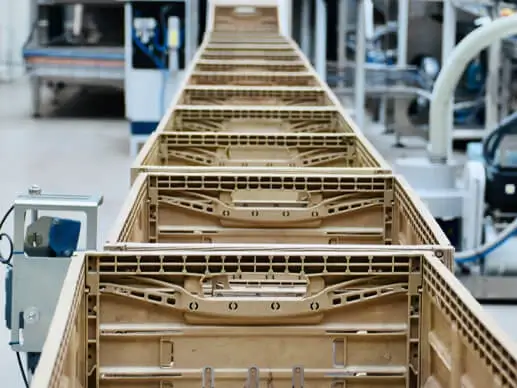
In the dynamic realm of global logistics, conveyor belts stand as omnipresent forces driving efficiency, reliability, and productivity across diverse industries. This article delves into the pivotal role of conveyor belts in modern logistics, examining their widespread applications, technological advancements, and impact on supply chain dynamics.
Versatility and Applications
Conveyor belts are indispensable in modern logistics operations, facilitating the seamless movement of goods within warehouses, distribution centers, and production facilities worldwide. They play a crucial role in automating material handling processes, from raw materials to finished products, ensuring continuous workflow and operational efficiency. By reducing manual labor and streamlining logistics operations, conveyor belts enable companies to meet the demands of today’s competitive market environments effectively.
Technological Advancements
The evolution of conveyor belts is closely intertwined with technological advancements that enhance their functionality and performance. Modern conveyor systems integrate cutting-edge technologies such as IoT (Internet of Things), AI (Artificial Intelligence), and automation solutions. These innovations enable real-time monitoring of conveyor operations, predictive maintenance scheduling, and adaptive control systems. Smart conveyor belts equipped with sensors and data analytics capabilities optimize resource utilization, minimize downtime, and enhance overall system reliability.
Impact on Supply Chain Dynamics
Conveyor belts play a crucial role in shaping supply chain dynamics by improving inventory management, order fulfillment accuracy, and logistics efficiency. They enable seamless connectivity between different stages of production and distribution, facilitating just-in-time delivery and reducing lead times. This operational agility not only enhances customer satisfaction but also enables businesses to respond swiftly to market fluctuations and changing consumer demands.
Sustainability and Efficiency
In addition to operational benefits, conveyor belts contribute to sustainability efforts within the logistics sector. Advanced conveyor technologies focus on energy efficiency, utilizing eco-friendly materials, and reducing carbon footprints. By optimizing transportation routes and minimizing material waste, conveyor systems help companies achieve environmental goals while enhancing operational efficiency and profitability.
Challenges and Future Outlook
Despite their widespread adoption, conveyor belts face challenges such as maintenance complexities, cybersecurity risks, and the need for continuous innovation to meet evolving industry demands. Future developments may include advancements in conveyor belt materials, increased integration with renewable energy sources, and enhanced safety features to ensure compliance with global standards.
Conclusion
Conveyor belts represent more than just a mechanical means of transportation; they are integral to the foundation of modern logistics and global supply chains. As industries continue to evolve and expand, the role of conveyor belts in enhancing operational efficiency, driving sustainability initiatives, and fostering innovation remains paramount. Embracing technological advancements and leveraging the versatility of conveyor systems will be key to navigating the complexities of the global marketplace and achieving long-term success in logistics operations.
By recognizing their pivotal role in global logistics and investing in continuous improvements, businesses can harness the power of conveyor belts to optimize supply chain management, mitigate risks, and capitalize on emerging opportunities in the evolving landscape of modern industry.