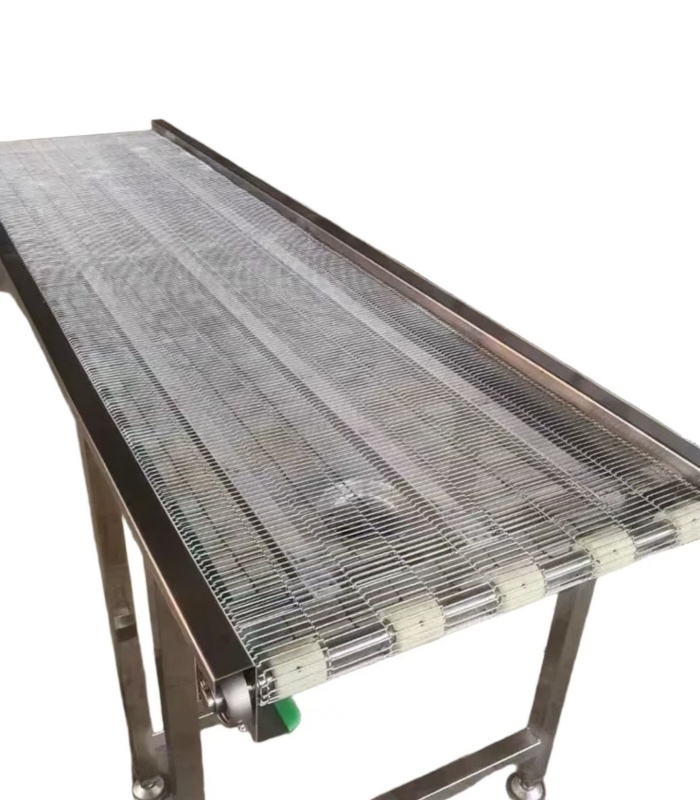
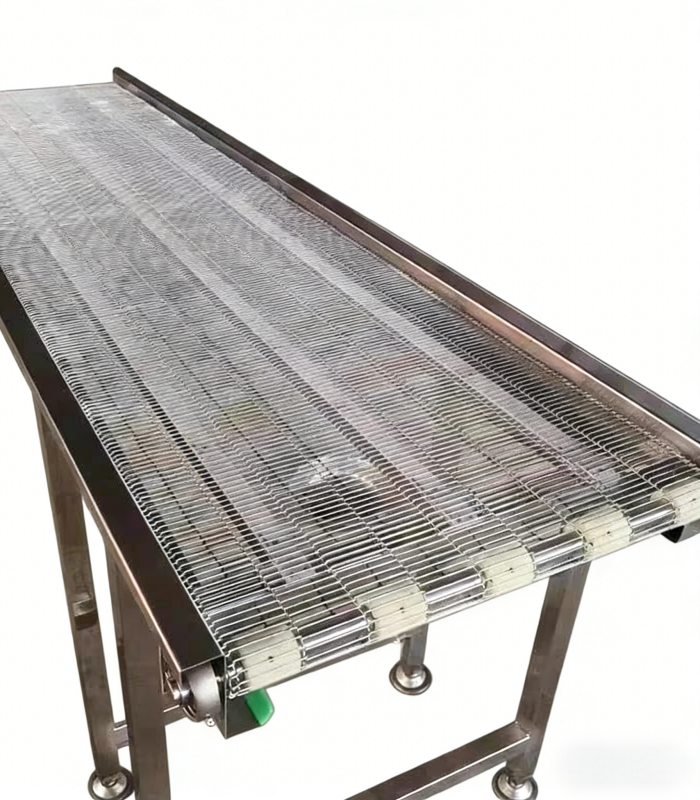
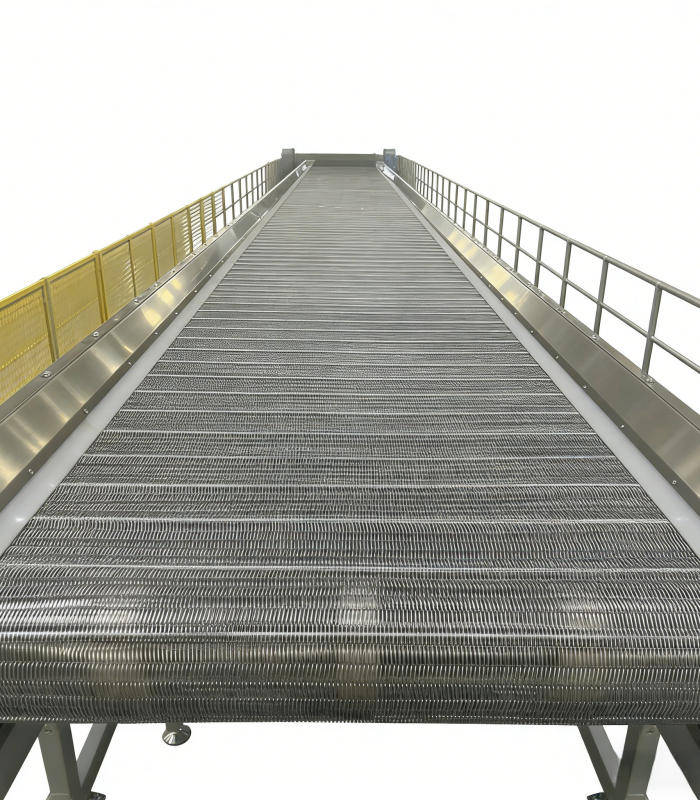
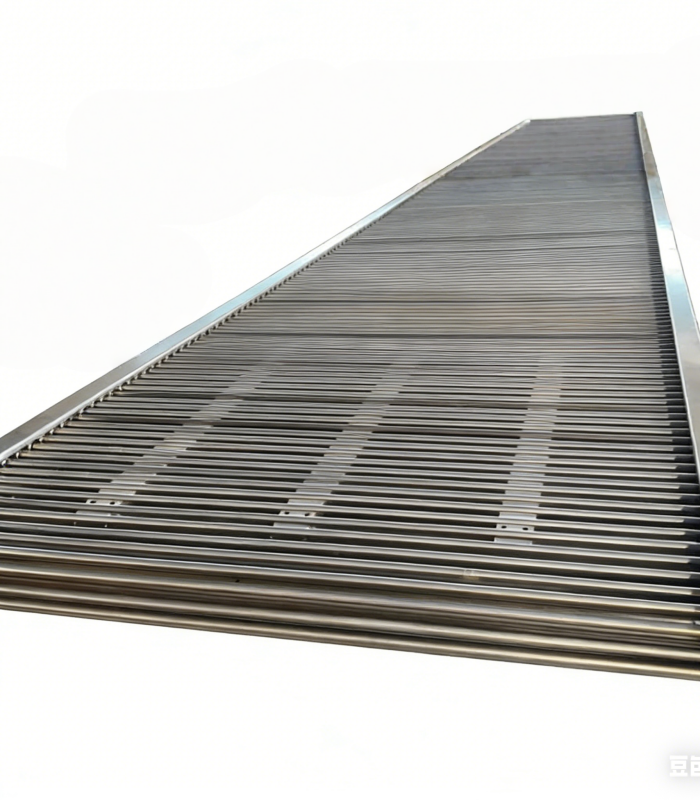
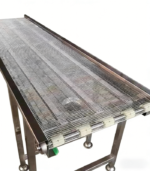
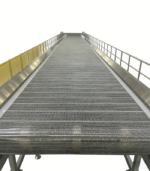
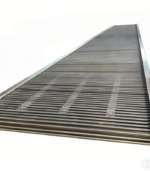
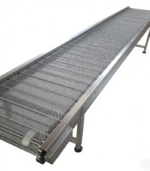
Metal mesh belt conveyors, mesh belt conveyors, belt conveyors
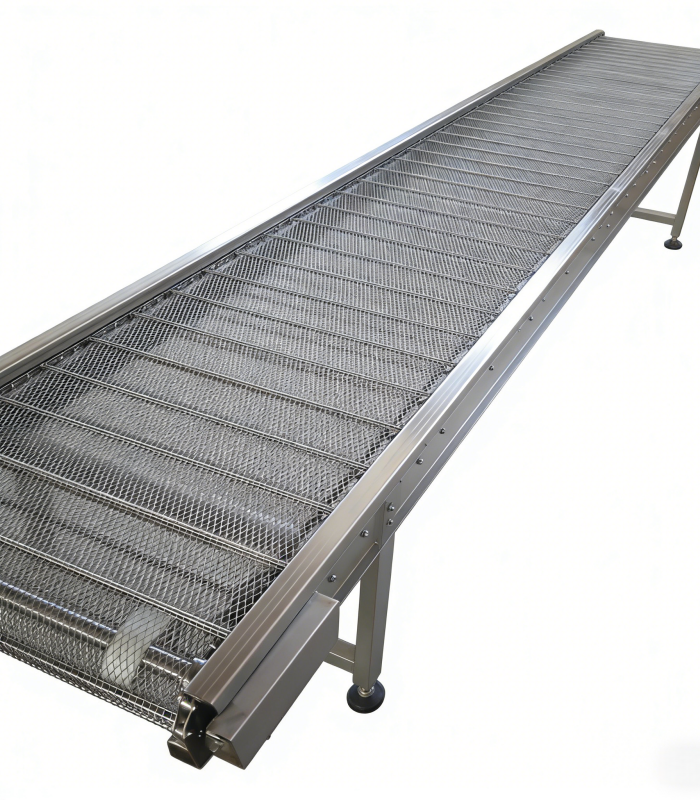
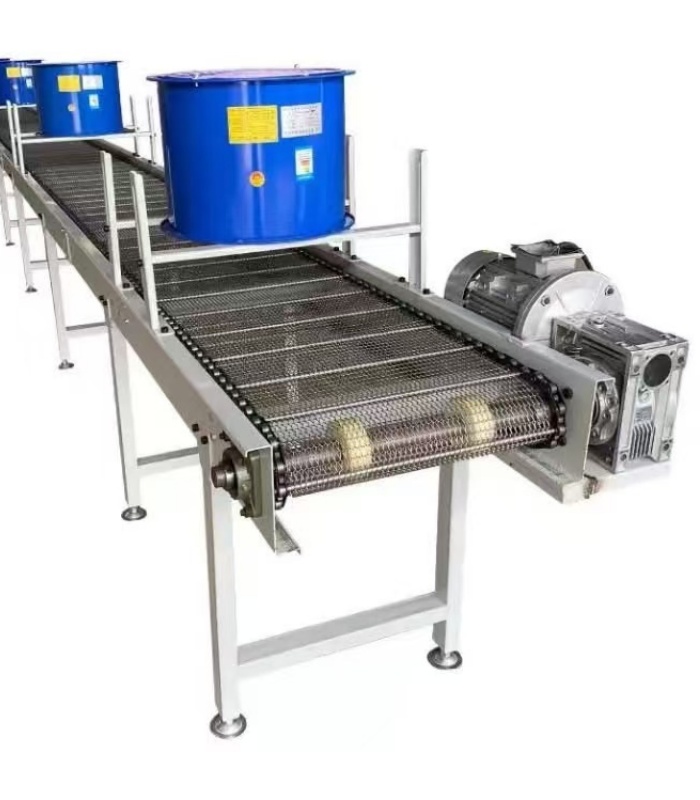
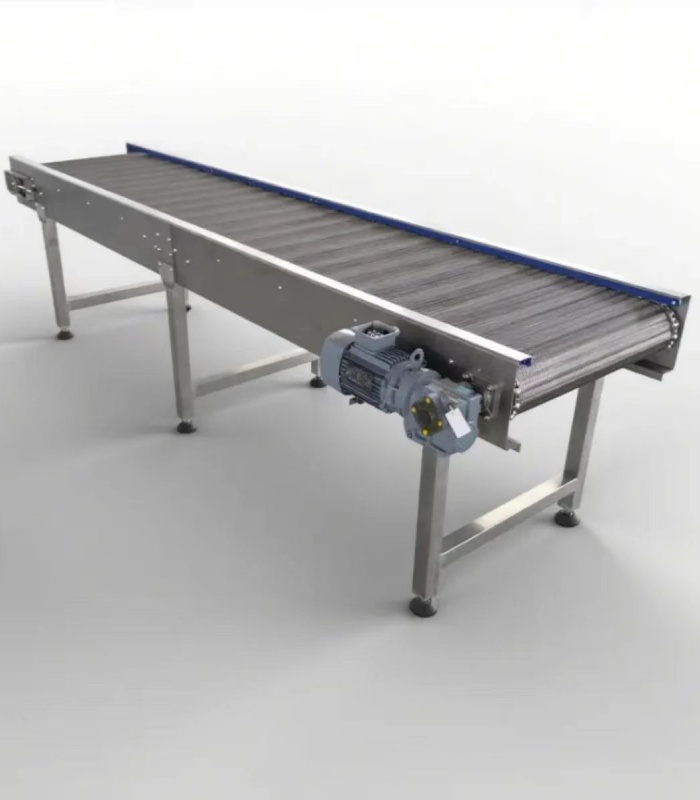
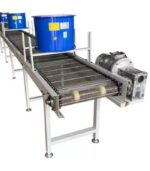
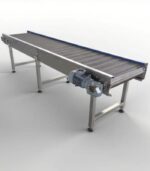
Metal mesh belt conveyors use metal mesh belts as the conveying medium. Thanks to their metal construction, which offers high-temperature resistance, corrosion resistance, and cut resistance, they are suitable for continuous conveying and process handling equipment in industries such as food processing, heat treatment, and chemical manufacturing.
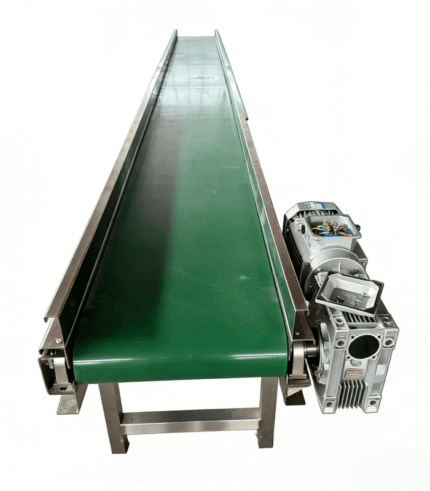
Mesh belt conveyors replace traditional belts with modular mesh belts, addressing the common issues of belt tearing and difficult maintenance. They are widely used in industries such as food processing and chemicals. Their core advantages lie in their resistance to cutting and corrosion, as well as their ability to withstand high-temperature or humid environments.
📝 Main Applications
They are commonly used for continuous conveying and can simultaneously perform processes such as washing, drying, and sterilization:
· Food Industry: Conveying vegetables for washing, frying, and freezing, as well as meat products.
· Manufacturing: Conveying beverage bottles, pharmaceuticals, cosmetics, and aluminum cans.
· Specialized Processes: High-temperature conveying in glass furnaces, as well as heat treatment and dehumidification processes.
✨ Key Advantages
Compared to traditional belt conveyors, it offers five significant advantages:
· High Durability: Overcomes issues such as belt tearing and puncturing; resistant to cutting, oil, and water.
· Stable and Precise: The sprocket-driven structure minimizes misalignment and meandering.
· High Adaptability: Stainless steel material resists corrosion and high temperatures; plastic (PP/PE) material resists acids and alkalis.
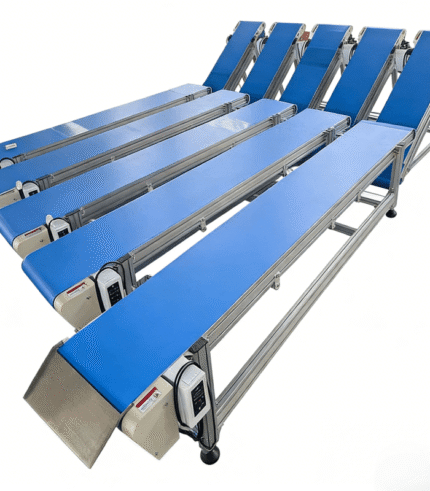
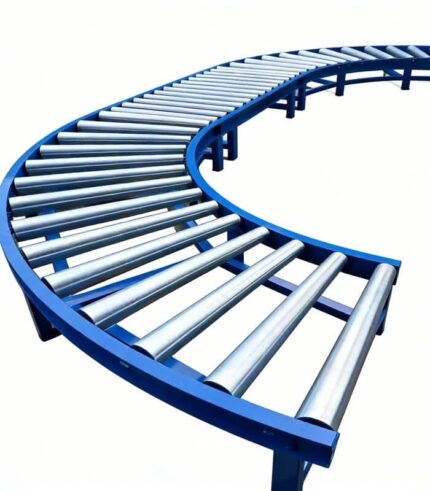
· Flexible Structure: Can operate horizontally, on inclines, or even around curves, and can be fitted with baffles.
· Low maintenance costs: Modular design allows for easy belt replacement and minimal maintenance.
⚙️ Manufacturing Process
The manufacturing process covers everything from material selection to forming:
· Belt manufacturing: Plastic belts are injection-molded and interlocked into units using through-pins; metal belts are woven from steel wire or formed by punching, and connected using chains or pins.
· Frame Fabrication: Constructed from carbon steel (powder-coated) or stainless steel through cutting, welding, and grinding.
· Drive Assembly: Installation of motors (including variable-frequency or stepless speed control) and assembly of sprocket or roller drive units.
The key details of metal mesh belts primarily revolve around three aspects: weave structure types, key performance parameters (such as pitch, wire diameter, and temperature resistance range), and material selection.
🔧 Product Details: Common Structure Types
Depending on different conveying requirements, metal mesh belts primarily come in the following structural forms:
· Balanced Type: Interwoven with left and right spiral wires, featuring deeply curved cross wires. It operates smoothly and is resistant to deformation. This is the most widely used type, commonly found in electronics, glass manufacturing, food drying, and similar applications.
· Herringbone: Features extremely fine mesh (up to 232 mesh) with a herringbone surface pattern and high tensile strength. Suitable for conveying small materials and preventing leakage.
· Type B/Straight-Axis: Consists of alternating left and right mesh strips connected by straight crossbars, resulting in uniform mesh openings. Suitable for carrying heavy objects with smaller volumes.
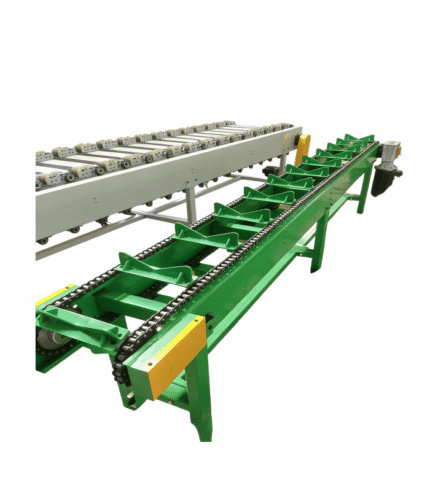
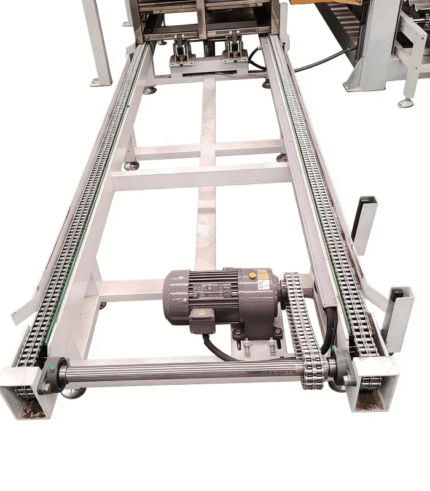
· Chain-driven: Equipped with chains on both sides for drive, offering high load-bearing capacity and suitable for heavy-duty conveying. The mesh surface and chains bear loads independently, ensuring a long service life.
· Chain-plate type: Made from stamped stainless steel plates, featuring a flat and rigid mesh surface. Suitable for conveying small, high-density objects, with heat resistance up to 1200°C.
· Eye/Ball Type: Features a high open area ratio, providing excellent ventilation or filtration performance; commonly used in coating, filtration, or chemical drying applications.
📊 Key Parameter Descriptions
The following are the most critical technical parameters for selection:
· Belt Width: Wide customization range, typically 50mm – 8500mm.
· · Chain Pitch: The pitch corresponding to standard chain specifications, commonly 25.4 mm, 31.75 mm, 38.1 mm, or 50.8 mm, with a maximum of 101.6 mm. Generally, a larger pitch allows for higher tensile strength.
· Wire Diameter: The thickness of the metal wires forming the mesh belt, typically ranging from 1.0 mm to 4.0 mm. The thicker the wire, the higher the mesh belt’s strength, but the weight and cost also increase.
· Support Rod/Crossbar Diameter: The diameter of the crossbars connecting the mesh belt, typically ranging from 5 mm to 14 mm; thicker support rods are required when handling heavy-duty materials.
· Temperature Resistance Range: Depends on the material; standard stainless steel (304) withstands temperatures from approximately -40°C to 920°C; special heat-resistant steel (310S/314) can withstand temperatures up to 1100°C – 1200°C.
· Conveyor belt speed: Typically operates at 0.15 – 0.50 m/min; variable speed control can be achieved using a variable frequency drive (VFD) to meet process requirements.
⚙️ Material Selection Guide
Selecting the appropriate material directly affects the service life and suitability of the mesh belt:
· 304 Stainless Steel: Most commonly used, resistant to acids, alkalis, and high temperatures (approx. 920°C), suitable for food processing and general high-temperature environments.
· 316/316L Stainless Steel: Contains added molybdenum for enhanced corrosion resistance (resistance to intergranular corrosion), suitable for chemical, pharmaceutical, and strong acid environments.
· 310S/314 Stainless Steel: High chromium and nickel content, excellent high-temperature resistance (1100°C–1200°C), and strong oxidation resistance; used in high-temperature applications such as kilns and heat treatment.
· Carbon Steel/Galvanized Steel: Low cost and high strength, but not corrosion-resistant. Suitable for ambient temperature, dry, and non-corrosive environments.


评价
目前还没有评价