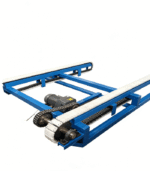
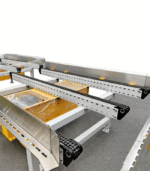
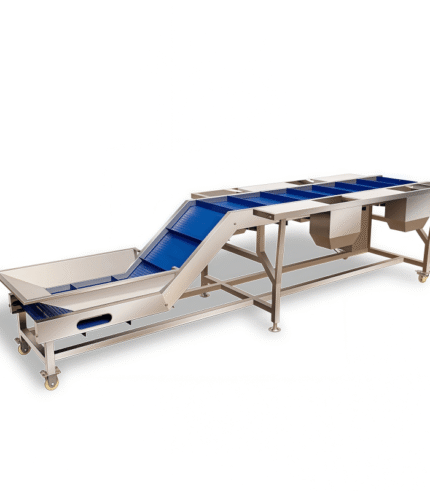
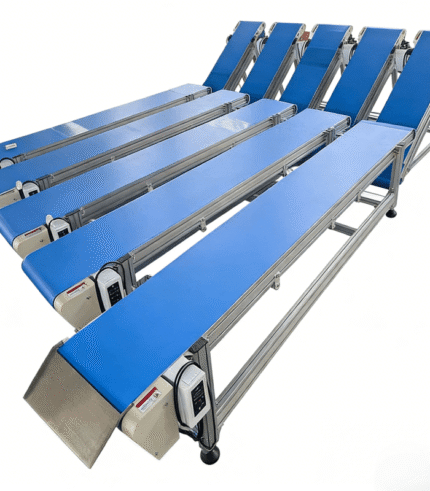
Chain conveyor, pallet conveyor, chain conveyorbelt
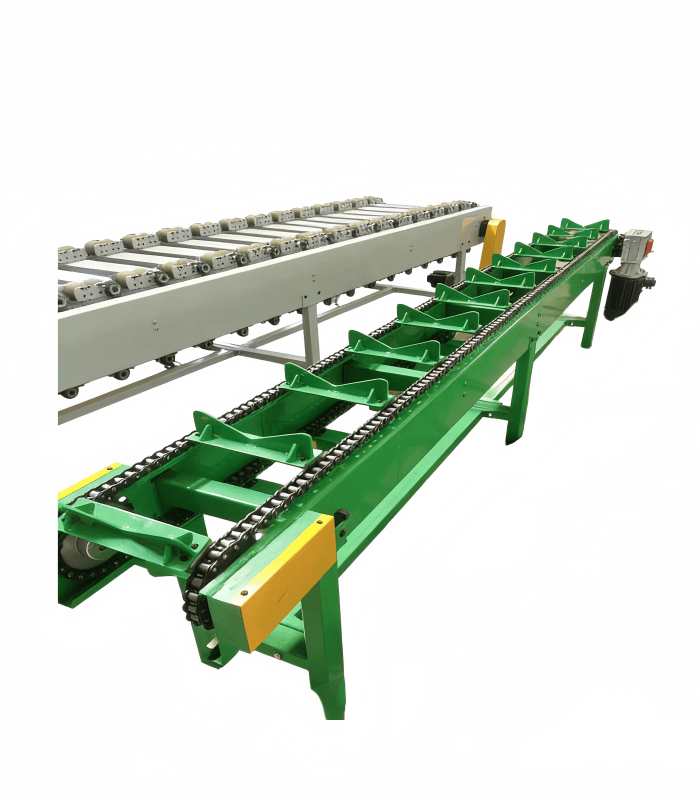
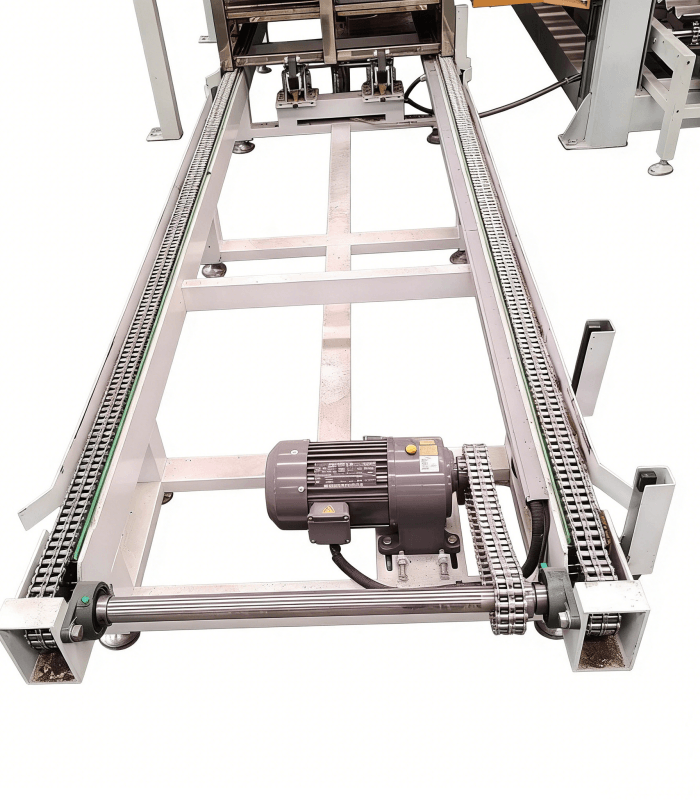
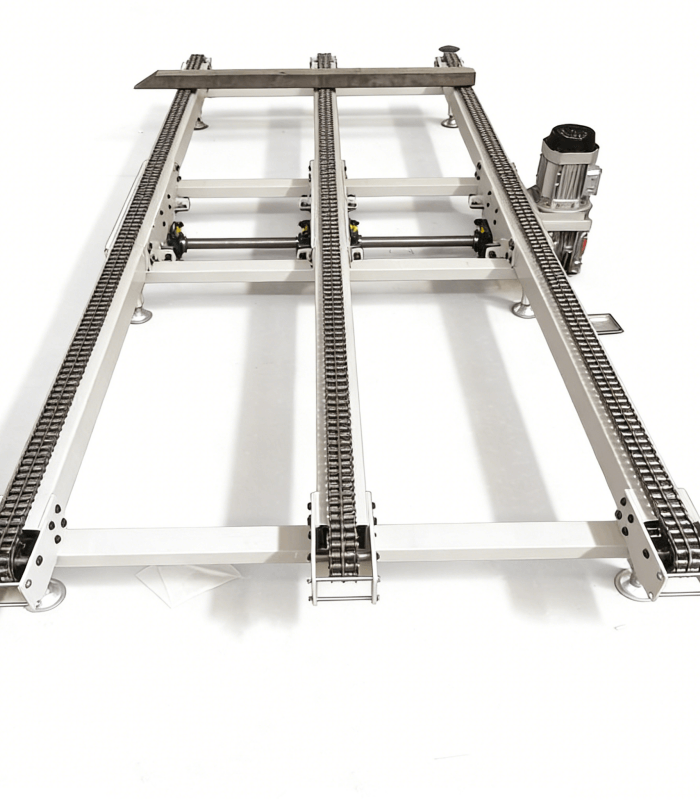
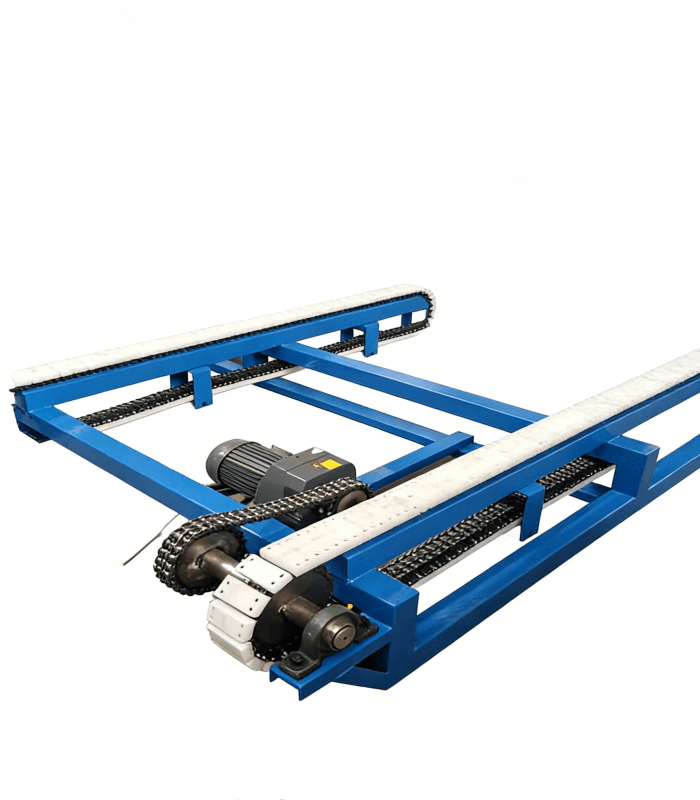
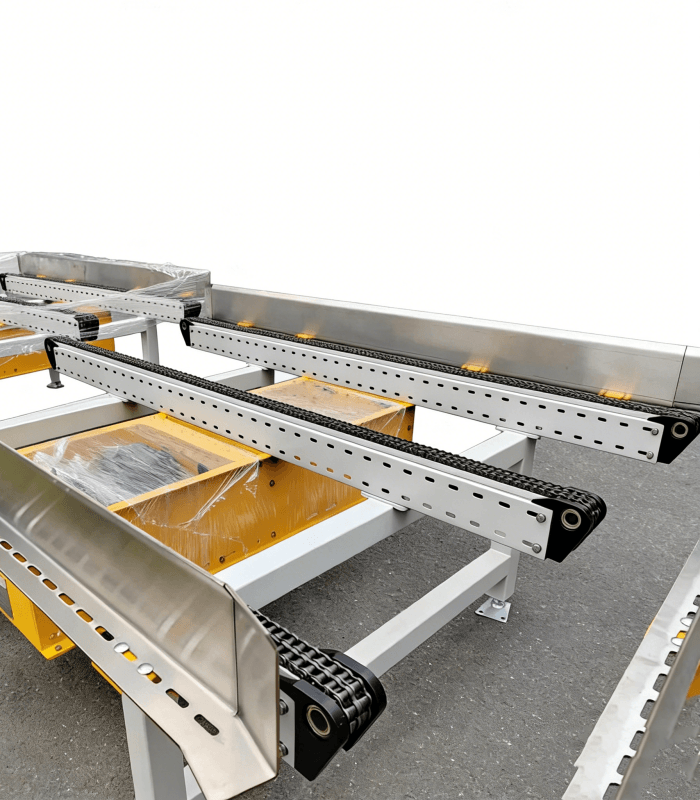
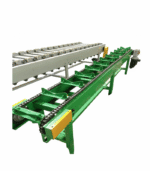
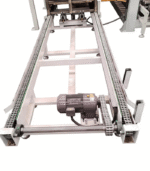
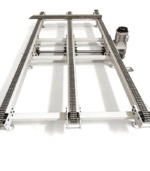
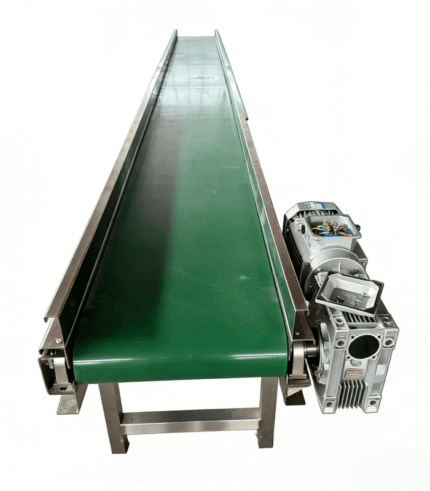
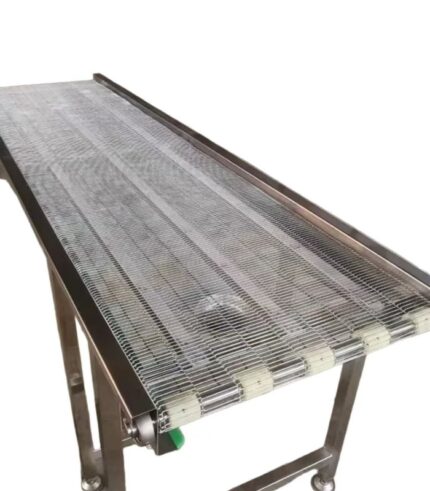
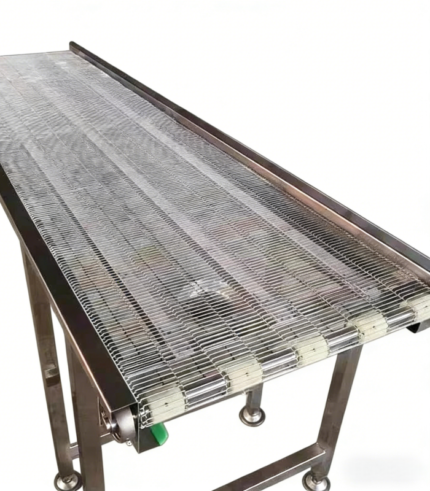
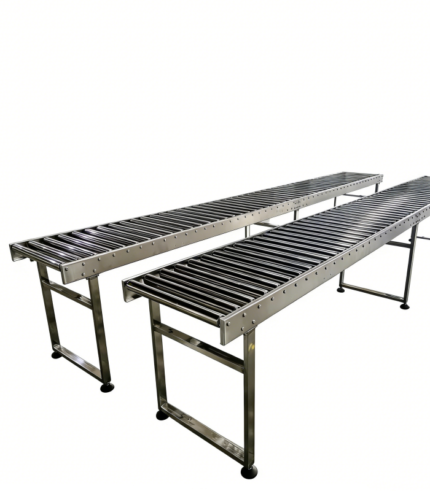
A chain conveyor is a rigid conveying system that uses a chain as both the load-bearing and driving element, achieving heavy-duty, precise, and stable conveying through the meshing of sprockets and chains.
A chain conveyor is a rigid conveying system that uses a chain as both the load-bearing and traction component, relying on the meshing of the chain with sprockets to transport materials.
—
I. Product Applications
Due to their high load-bearing capacity and stable operation, chain conveyors are widely used in complex operating conditions such as heavy-duty applications, high-temperature environments, and precision assembly.
1. Pallet and Bin Conveying: Used in automated high-bay warehouses and manufacturing workshops to convey pallets and large bins carrying heavy loads, with load capacities ranging from 50 to 2,000 kg.
2. Bulk Material Conveying: Suitable for the enclosed conveying of powdered and lumpy materials such as cement, grain, fertilizer, and pulverized coal, with conveying capacities ranging from 1 to 100 t/h and maximum conveying distances of up to 60 m.
3. Assembly Lines: Commonly used in the automotive, home appliance, and electronics industries for double-speed chain assembly lines. By utilizing the principle of differential chain speed, it enables the accumulation and precise stopping of workpiece carriers, meeting the takt time requirements of workstations.
4. Special-Condition Conveying: Capable of operating in harsh environments such as high temperatures, dusty conditions, and high humidity. Used for conveying steel pipes, steel coils, red-hot forged parts, and canned food, among others.
II. Product Advantages
The core advantages of chain conveyors lie in their rigid transmission and heavy-duty durability:
1. High load capacity: The chain features a rigid metal structure with high tensile strength, capable of carrying materials weighing several tons—far exceeding the capacity of belt conveyors.
2. Low energy consumption: Utilizing chain traction and internal friction of the material, transmission efficiency can reach 92%. This results in 40%–60% energy savings compared to screw conveyors and lower energy consumption than belt conveyors.
3. Stable and precise operation: The chain meshes with the sprockets for transmission, eliminating slippage. Conveying speed is accurate and stable, ensuring precise synchronized or accumulation conveying.
4. High adaptability: It operates reliably in harsh environments such as high temperatures, dust, and humidity, and supports horizontal, inclined (≤15°), and multi-point feeding.
5. Long service life: The heat-treated chain offers high wear resistance, with a typical service life of 5–8 years and low maintenance costs (approximately 1/10 of those for screw conveyors).
III. Manufacturing Process
The manufacturing of chain conveyors is a process that combines precision machining with heavy-duty assembly, primarily comprising the following stages:
1. Design and Selection: Determine the solution based on customer requirements (load, conveying distance, environment), including chain pitch, frame structure, motor power, and gear ratio.
2. Component Machining:
· Chain Manufacturing: This is the core process. High-quality steel is processed through link weaving, flash butt welding, and heat treatment (quenching, tempering) to form chain links with a hardness of HRC 50 or higher, ensuring wear resistance and tensile strength.
· Frame and Sprockets: The frame is fabricated from steel through cutting and welding to ensure structural stability; sprockets are machined via milling and CNC processing to ensure precise meshing with the chain.
3. Assembly and Coating:
· Frame Assembly: The welded frame undergoes leveling to ensure all sections align on the same horizontal plane, preventing misalignment.
· Coating: The frame undergoes rust removal followed by powder coating or painting to prevent corrosion and enhance aesthetics.
4. Final Assembly and Commissioning:
· Installation of the drive unit (motor, reducer), head and tail sprockets, and tensioning device.
· Chain Installation: The chain is laid on the track and connected; tension is adjusted to prevent derailment.
· Operational Testing: Conduct no-load and load testing to verify smooth chain operation and check for abnormal noises, ensuring no deviation or jamming.
In summary, chain conveyors achieve their core characteristics of heavy-duty capacity, precision, and durability through processes such as high-precision chain manufacturing, rigid frame welding, and precision assembly. When selecting a conveyor, special attention should be paid to two key parameters: chain specifications and single-point load capacity.
The key to selecting a chain conveyor lies in matching the load, operating conditions, and conveying accuracy. The following provides a detailed breakdown from three perspectives: core parameter systems, parameters categorized by type, and key component details.
I. General Core Parameter Ranges
The parameter ranges for standard chain conveyors are as follows; specific values must be determined based on the design:
· Conveyor chain specifications: Common pitch sizes include 50.8 mm, 63.5 mm, 76.2 mm, 100 mm, 125 mm, etc. (e.g., P=50.8, P=100).
· Conveyor Speed: Typically 0.5–15 m/min, with stepless speed control or fixed speed.
· Rated Load: Light-duty (50–500 kg/m), medium-duty (0.5–2 tons/m), heavy-duty (2–10 tons/meter or higher).
· Conveyor length: Typically ≤ 60 meters for a single unit; longer lengths require segmented drives.
· Frame width: Commonly 400 mm, 600 mm, 800 mm, 1000 mm, 1200 mm, matched to pallet dimensions.
· Conveyor incline: Primarily horizontal (0°); inclined conveyors are generally ≤ 15°–25° (depending on material and chain type).
II. Parameters and Details by Application Type
Chain conveyors are typically classified into heavy-duty accumulation chains, double-speed chains, and buried scraper chains, with significant differences in parameters:
1. Double-Speed Chain Conveyor (Assembly Line Specific)
· Typical Applications: Electronics, home appliances, and automotive parts assembly lines.
· Chain Structure: Uses double-speed chains (e.g., BS25-C212A), where the roller outer diameter exceeds the chain plate height to achieve differential accumulation—when workpieces stop at a station, the chain continues to run idle below, preventing surface scratches and avoiding a complete line stoppage.
· Key Parameters:
· Chain Pitch: Commonly 25.4 mm (BS25) and 31.75 mm (BS31).
· Workpiece Tray Load: Typically 30–200 kg.
· Conveyor Speed: 0.5–8 m/min; works with stoppers to control station cycle time.
· Details: Frames are typically made of aluminum profiles or powder-coated bent components; tracks are made of wear-resistant plastic, ensuring quiet operation.
2. Heavy-Duty Accumulation Chain Conveyor (Pallet/Workpiece Conveying)
· Typical Applications: Inbound/outbound handling for automated storage and retrieval systems (AS/RS), and heavy-duty workpiece handling.
· Chain Types: Drop-forged chains (e.g., X458, X678) or plate chains (BL series), with chain plates equipped with rollers that roll along the track.
· Key Parameters:
· Chain Pitch: 100 mm, 125 mm, 160 mm, 200 mm.
· Single-point load capacity: 500 kg – 5,000 kg.
· Operation mode: Can be designed for multi-level stacking, utilizing elevators to achieve vertical circulation.
· Details: Tracks are made of heavy-duty channel steel or I-beams; the drive unit uses high-ratio gearmotors; tensioning devices are either counterweight or hydraulic.
III. Details and Specifications of Key Components
1. Chain (Core Component)
· Material and Heat Treatment: High-quality alloy steel (40Cr, 20CrMnTi), carburized and quenched, with a surface hardness of HRC 58–62 and a core hardness of HRC 35–45, combining wear resistance and toughness.
· Precision Grade: Precision roller chain (GB/T 1243) or custom-made non-standard chain; cumulative pitch error must be controlled within a specified range.
· Lubrication Method: Automatic lubrication system (drip or spray) to extend chain service life.
2. Sprockets
· Material: 45# steel or 40Cr; tooth surfaces undergo high-frequency quenching (HRC 45–50).
· Precision Requirements: Sprocket tooth profiles must comply with standards and match the chain pitch; during installation, ensure parallelism and levelness of the axes (typically within ±0.5 mm/m).
· Details: Drive sprockets feature double-row or multi-row structures to increase the meshing area; tensioning sprockets are typically smooth or toothed.
3. Frame and Track
· Frame: Heavy-duty equipment uses H-section steel or channel steel welded together; post-welding vibration aging treatment is required to relieve internal stresses. Light-duty equipment uses aluminum profiles or bent sheet metal.
· Track: Tracks supporting the chain rollers are made of wear-resistant steel (e.g., NM400) or engineering plastics (e.g., ultra-high molecular weight polyethylene/UHMWPE); the latter produces less noise and is maintenance-free.
4. Drive and Tensioning
· Drive Motor: Equipped with a gearmotor (e.g., SEW, NORD), typically paired with a variable frequency drive (VFD) to achieve stepless speed control.
· Mounting Position: Available in left-hand and right-hand configurations (depending on whether the motor is on the left or right side when facing the discharge opening).
· Tensioning Methods:
· Screw Tensioning: Suitable for short distances and light loads; manual adjustment via a lead screw.
· Counterweight Tensioning: Suitable for long distances and heavy loads; gravity automatically maintains constant tension.
· Hydraulic Tensioning: Suitable for large-scale equipment; features automatic adjustment and stroke detection.
IV. Key Dimensions for Design and Selection
When purchasing or designing, the following physical dimensions must be specified:
1. Effective width: The internal width of the frame, generally 50–100 mm wider than the pallet width.
2. Conveying height: The distance from the chain surface to the ground, typically 500–900 mm (assembly lines) or custom (automated storage and retrieval systems).
3. Curve Radius: If curved conveying is required, the minimum turning radius must be specified; this is typically 30–50 times the chain pitch.
4. Accumulation Section Length: On double-speed chains, the maximum allowable length of accumulated workpieces must be specified to determine the positioning of the stoppers.


评价
目前还没有评价