Stainless Steel vs Plastic Mesh Belt: Engineering Guide

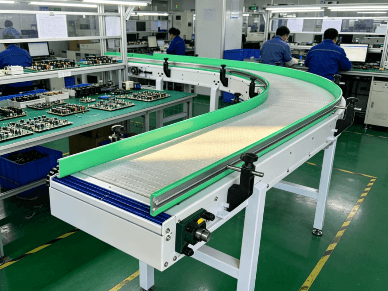
Choosing the right conveyor belt is a critical decision that dictates the efficiency, safety, and longevity of a production line. Engineers and plant managers often find themselves at a crossroads between stainless steel mesh belts and modular plastic belts. While both serve the fundamental purpose of material handling, their mechanical properties, thermal boundaries, and hygienic profiles differ significantly.
In high-volume manufacturing, selecting the wrong belt material doesn’t just lead to premature wear; it can cause catastrophic line shutdowns, product contamination, or safety violations. To determine the optimal solution, one must look beyond the initial purchase price and evaluate the specific stresses of the operating environment.
Thermal Dynamics and Temperature Thresholds
The most immediate differentiator between these two materials is their reaction to thermal stress. Metal and plastic respond to heat and cold in fundamentally different ways, affecting both the product quality and the belt’s structural lifespan.
How Does Stainless Steel Handle Extreme Heat?
Metal belts are the industry standard for extreme temperature environments. High-quality stainless steel, such as Type 304 or 316L, maintains its structural integrity at temperatures exceeding 1000°F (537°C) and remains ductile in cryogenic conditions. In industrial baking, heat treating, or flash-freezing, steel is non-negotiable. It offers excellent thermal conductivity, which is essential for processes requiring uniform heating or cooling of the product.
What are the Operating Limits of Plastic Resins?
Plastic belts, typically composed of Polypropylene (PP), Polyethylene (PE), or Acetal (POM), have much narrower thermal windows. While specialized resins can handle temperatures up to 220°F (104°C), they are prone to “creep” or thermal expansion. If a plastic belt is subjected to heat beyond its rating, it loses tensile strength and can warp, leading to tracking issues and sprocket engagement failure.
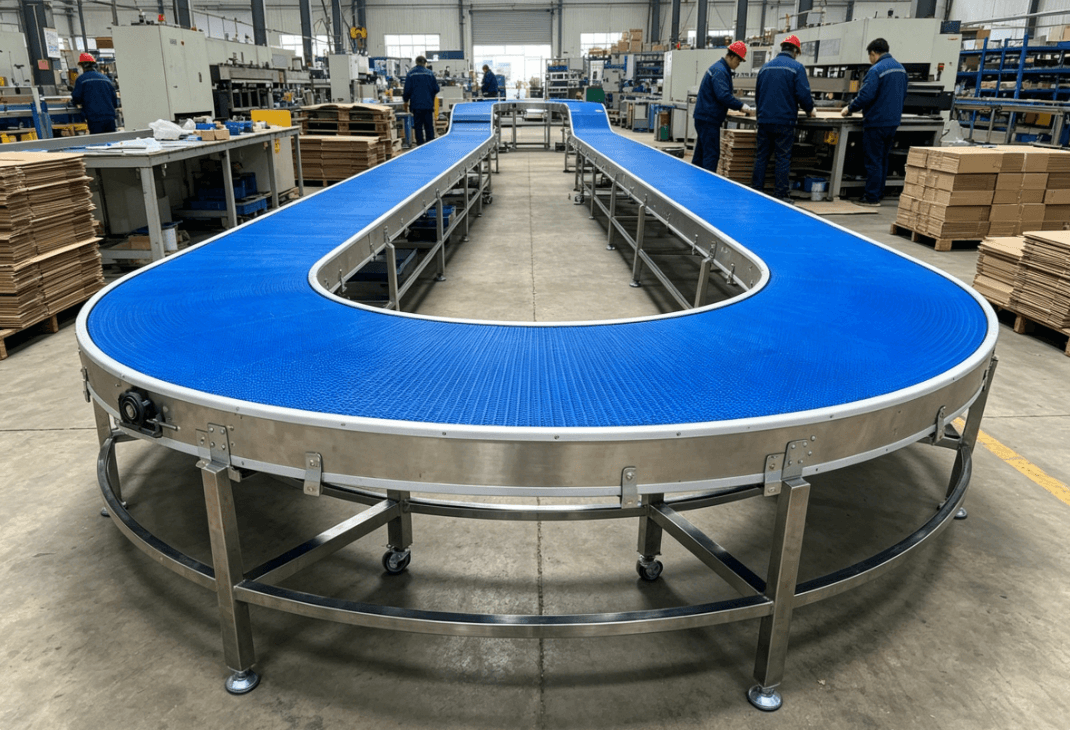
Mechanical Strength and Load Distribution
The weight and geometry of the conveyed product dictate the required tensile strength of the belt. Heavy-duty industrial applications require materials that do not deform under stress or high-speed operation.
- Tensile Capacity: Stainless steel mesh belts, particularly those with a balanced weave or chain-driven design, are engineered for high-load applications. They exhibit minimal stretching over time, even under heavy industrial loads.
- Impact Resistance: Plastic belts excel in absorbing localized impacts. Because plastic is naturally resilient, it can handle the shock of heavy items being dropped onto the conveyor better than some light-gauge metal meshes. However, for continuous heavy-duty hauling, the rigid nature of steel provides superior stability.
- Friction and Grip: Plastic modules can be molded with high-friction surfaces or “grippers” for incline applications. While steel belts can be fitted with flights or cross-flights, plastic is often the go-to for steep inclines where product slippage is a concern.
| Feature | Stainless Steel Mesh Belt | Plastic Modular Belt |
| Temp Range | -100°F to +1100°F+ | -50°F to +220°F |
| Durability | High (Abusive environments) | Moderate (Prone to cuts/scratches) |
| Sanitation | Excellent (Non-porous, steam-cleanable) | Good (Hinges can trap debris) |
| Chemical Resistance | High (Corrosives, salts, acids) | Variable (Resin dependent) |
| Initial Cost | Higher | Lower |
| Expected Lifespan | Long (5-10+ years with maintenance) | Moderate (2-5 years) |
Sanitation and Food Safety Standards
In the food processing and pharmaceutical sectors, the cleanability of a belt is a regulatory requirement. Stainless steel is inherently non-porous. It does not harbor bacteria, and its surface is resistant to the harsh caustic chemicals used in Clean-In-Place (CIP) cycles. For high-risk products like raw meat, poultry, or seafood, metal mesh allows for 360-degree cleaning.
Plastic belts are modular, meaning they consist of interlocking pieces held together by hinge pins. These hinges create thousands of tiny crevices where organic matter and bacteria can accumulate. While modern easy-to-clean plastic designs exist, they still require more intensive mechanical scrubbing compared to the streamlined surface of a metal wire belt. Furthermore, plastic is susceptible to micro-scratches from abrasive cleaning, providing a sanctuary for biofilm growth.
Application-Specific Suitability: Where Each Wins
Identifying the right environment for each material ensures cost-effectiveness. Metal mesh belts are often found in industrial ovens, frying, and annealing where heat is constant. They also excel in chemical exposure applications involving high salinity or acidic marinades that would degrade plastic resins.
Plastic wins in light-duty packaging moving cardboard boxes or lightweight plastic-wrapped goods. It also offers significant noise reduction, as plastic runs significantly quieter than metal-on-metal contact. For electronics manufacturing, plastic is often selected for its non-conductive properties or specific static-dissipative resin options.
Total Cost of Ownership (TCO) Analysis
The cheaper option is rarely cheaper in the long run. A plastic belt typically has a lower initial Capital Expenditure. However, in a 24/7 manufacturing environment, the Operating Expenditure must be considered. Stainless steel belts are a long-term investment. When properly aligned and lubricated, a high-quality metal mesh belt can outlast several plastic replacements.
Furthermore, metal is 100% recyclable, contributing to corporate sustainability goals, whereas contaminated plastic belts often end up in landfills. For projects requiring specialized configurations, the manufacturing precision of steel allows for tighter tolerances. This is crucial for small product transfers where the gap between conveyors must be minimized to avoid product loss.
Summary
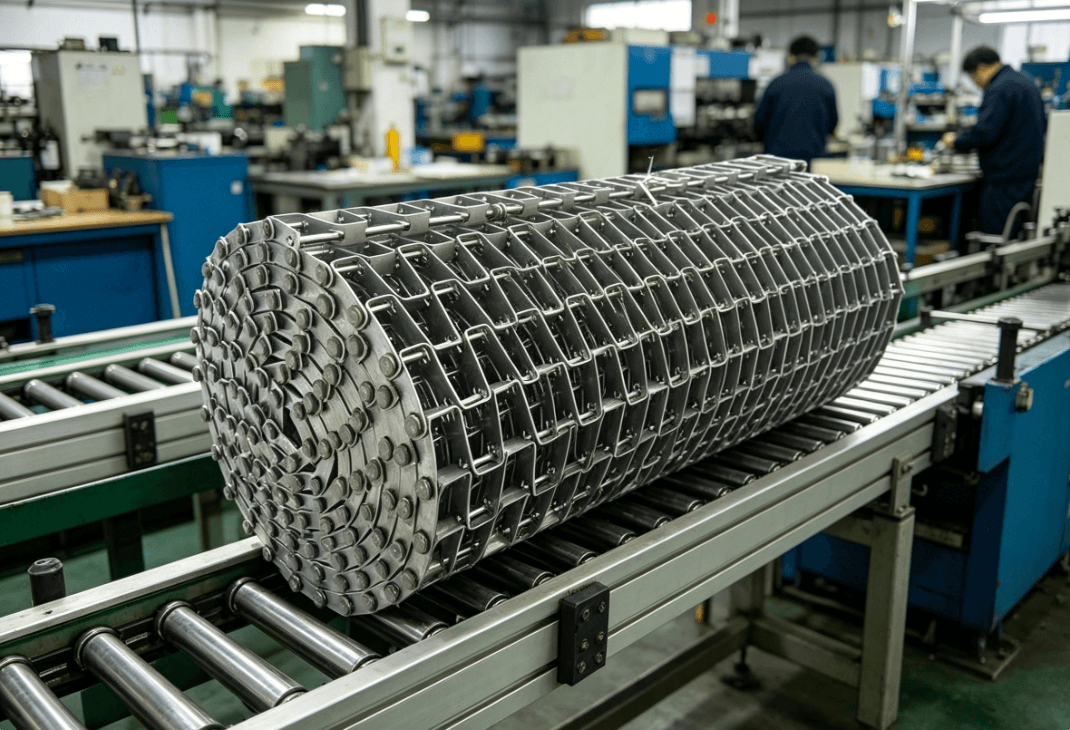
Selecting between stainless steel and plastic mesh belts depends on your environment’s temperature, hygiene requirements, and load. Stainless steel remains the superior choice for high-heat and heavy-duty industrial processing, while plastic offers flexibility and cost savings for ambient-temperature packaging lines.
FAQ
1. Can stainless steel mesh belts be used in washdown?
Yes. In fact, they are preferred for sanitization. Stainless steel is highly resistant to corrosion from water and the cleaning agents used in food and medical industries. Unlike plastic, it can be sanitized with high-pressure steam without deforming or losing structural integrity.
2. Which belt is better for drainage and airflow?
Both offer open-area designs, but stainless steel wire mesh can achieve a much higher percentage of open area (up to 85%) while maintaining strength. This makes it superior for rapid cooling, drying, or breading applications where maximum airflow is required.
3. Are plastic belts easier to repair than metal?
Yes, in terms of labor time for minor fixes. A damaged plastic belt can be repaired by removing hinge pins and replacing individual modules. A stainless steel belt requires weaving or welding a new section, which demands more skill but results in a significantly stronger and more durable repair.
4. Does stainless steel mesh damage delicate products?
It can if the wrong weave is selected. For delicate items like soft cookies or specialty glass, a balanced weave with a smooth surface is necessary. While plastic is perceived as softer, the heat-transfer benefits and smooth finish of specific metal weaves often outweigh this for cooked products.
5. How do I know if I need SS304 or SS316?
SS304 is the standard for most food processing applications. SS316 contains molybdenum, making it significantly more resistant to chlorides and harsh acids. If you are processing pickles, salty snacks, or working in a coastal environment, SS316 is the safer choice for longevity.
Reference Sources
ASTM International – Stainless Steel Material Standards