Plastic Chain Plate Conveyor vs Belt: Engineering Comparison

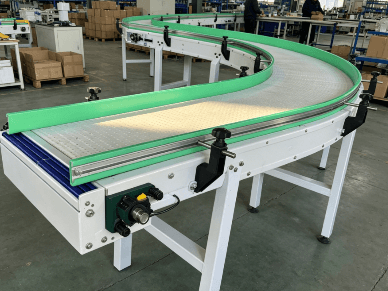
The choice between a plastic chain plate conveyor and a traditional friction-driven belt conveyor often dictates the long-term operational efficiency of a production line. In modern manufacturing, especially within food processing, packaging, and pharmaceuticals, the shift toward modularity has made the plastic chain plate conveyor a dominant alternative to standard PVC or rubber belts.
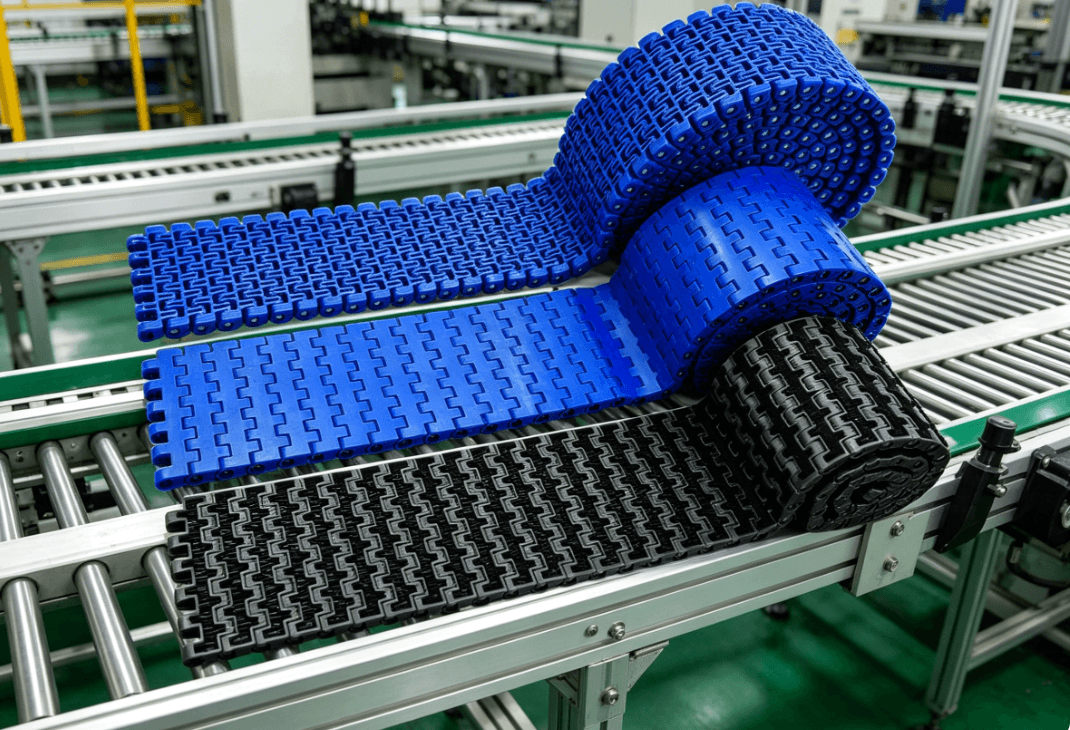
While traditional belt conveyors have served industry for decades, they often struggle with tracking issues, tension requirements, and high replacement costs when damage occurs. In contrast, modular plastic chain systems utilize interlocking segments driven by sprockets. This fundamental mechanical difference affects everything from sanitation protocols to the total cost of ownership.
Mechanical Architecture: Positive Drive vs. Friction Drive
The most significant distinction lies in the drive mechanism. Traditional belt conveyors rely on friction between the drive roller and the belt surface. This requires constant tensioning; if the belt stretches or the environment becomes humid, slippage occurs. Over-tensioning can lead to premature bearing failure and shaft fatigue.
A plastic chain plate conveyor utilizes a positive drive system. High-strength sprockets engage directly with the underside of the modular links. This eliminates the need for high-tension tracking, reduces stress on the motor, and ensures the conveyor remains perfectly aligned regardless of load fluctuations.
Maintenance and Downtime Mitigation
In a high-throughput facility, downtime is the primary enemy of profitability. When a traditional belt is punctured or torn, the entire belt usually requires replacement or a complex vulcanization repair. This process can halt production for several hours or even days.
Modular plastic chain plates offer a significant advantage in repairability. If a single module is damaged, an operator can replace only that specific link using simple hand tools. According to technical documentation from modular specialists like Leyu Conveyor, these systems allow for rapid segment swaps that minimize MTTR (Mean Time To Repair).
Material Science and Environmental Suitability
The performance of these systems is heavily influenced by the polymers used in their construction. Traditional belts are often made of PVC, PU, or synthetic rubber, which may degrade when exposed to certain chemicals or extreme temperatures.
Plastic chain plate conveyors are typically engineered from three primary materials:
POM (Acetal): Known for high tensile strength and low friction, ideal for heavy-duty bottling or canning.
PP (Polypropylene): Excellent chemical resistance and heat tolerance, often used in steam environments.
PE (Polyethylene): Superior performance in cryogenic or cold storage applications.
Comparison Overview: Technical Specifications
| Feature | Plastic Chain Plate Conveyor | Traditional Belt Conveyor |
| Drive System | Positive (Sprocket Driven) | Friction (Roller Driven) |
| Tracking | Self-tracking / Fixed | Manual Adjustment Required |
| Maintenance | Modular (Replace damaged links) | Full Belt Replacement |
| Drainage | High (Open hinge design) | Limited (Solid surface) |
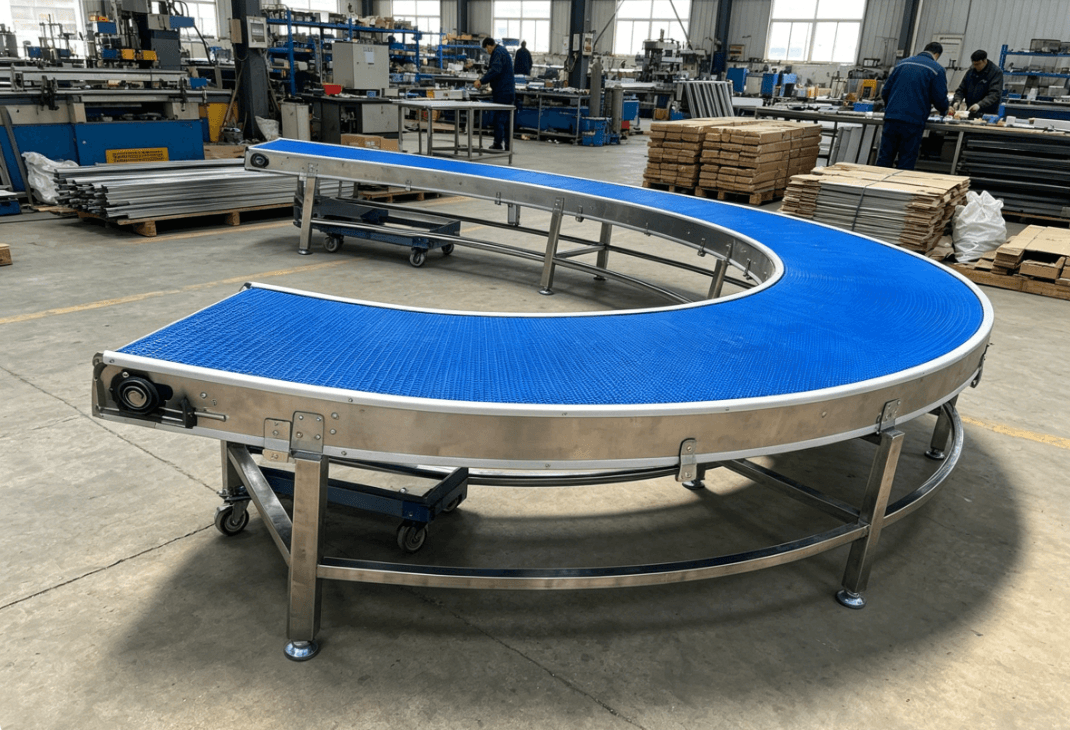
| Curvature | Side-flexing capabilities | Mostly Straight-line only |
| Tensioning | Low tension required | High tension required |
Sanitation and Food Safety Compliance
For the food and beverage industry, the “cleanability” of a conveyor is non-negotiable. Traditional belts can delaminate, allowing bacteria to harbor within the fabric layers. Furthermore, the undersides of friction belts are difficult to access for thorough sanitation.
Modern plastic chain plates are designed with an “open hinge” geometry. This allows water and cleaning agents to pass through the belt, reaching the internal pins and sprockets. Many modular systems comply with FDA and USDA standards, utilizing non-porous materials that do not absorb liquids or odors. This makes them the preferred choice for handling raw proteins, produce, and dairy.
Design Flexibility and Layout Optimization
Traditional belts are largely restricted to straight-line paths. Any change in direction usually requires a “dead plate” transfer or a separate powered turn, which increases the risk of product tipping or damage.
The engineering of side-flexing plastic chain plates allows a single continuous conveyor to navigate curves, inclines, and declines. This “one-motor” philosophy reduces the number of transition points in a facility. By eliminating transfers, engineers reduce product loss and simplify the control logic (PLC) required to synchronize multiple conveyor sections.
Total Cost of Ownership (TCO)
While the initial capital expenditure (CAPEX) for a plastic chain plate conveyor may be higher than a simple belt setup, the operational expenditure (OPEX) is significantly lower.
Engineers must consider the following:
Energy Consumption: Lower tension requirements result in less motor strain.
Water Usage: Modular belts are easier to clean, often reducing CIP (Clean-in-Place) cycle times.
Longevity: Polymer chains often outlast fabric belts by a factor of 3 to 1 in abrasive environments.
When evaluating a system for a long-term project, the modular approach offers a level of scalability and reliability that friction belts cannot match. For facilities looking to modernize, transitioning to a sprocket-driven plastic chain system is a strategic investment in uptime.
FAQ:
Q: Can plastic chain plate conveyors handle high-speed applications?
A: Yes, they are frequently used in high-speed bottling and canning lines. However, at very high speeds, noise levels and sprocket wear should be monitored. Using POM (Acetal) modules can help reduce friction and heat buildup.
Q: How do I choose between PP and POM materials?
A: It depends on your environment. POM is stronger and better for heavy loads or high-wear areas. PP is better if you are using strong acidic or alkaline cleaning chemicals or if the application involves high temperatures.
Q: Do modular plastic chains require lubrication?
A: Many plastic chain plates are designed to run “dry” due to the low-friction properties of the polymers. However, in certain high-load applications, food-grade lubricants can extend the life of the wear strips and sprockets.
Q: Are these conveyors suitable for inclines?
A: Absolutely. Unlike traditional belts that may require “rough top” textures, plastic chain plates can be fitted with integrated “cleats” or “flights” to mechanically lock the product in place during vertical transport.
Reference Sources:
ISO 2110: Conveyor belts — Footwear and friction testing standards.
EHEDG (European Hygienic Engineering & Design Group): Guidelines for the design of hygienic conveyors.
CEMA (Conveyor Equipment Manufacturers Association): Standards for unit handling and bulk material conveyors.