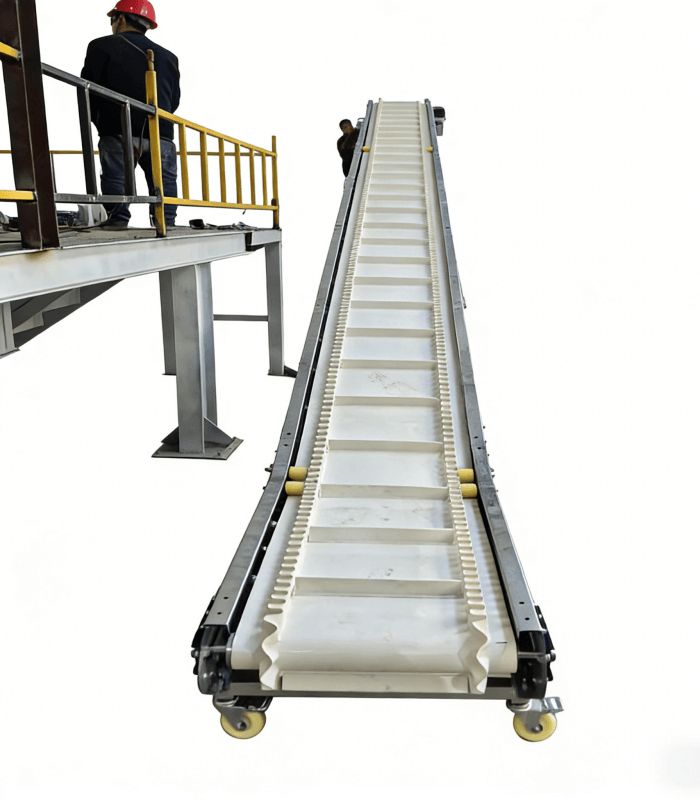
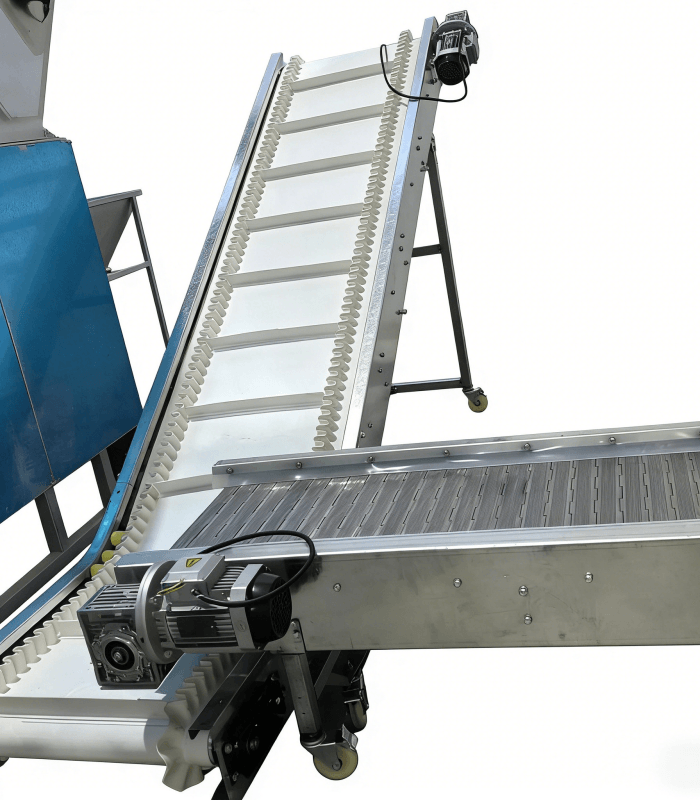
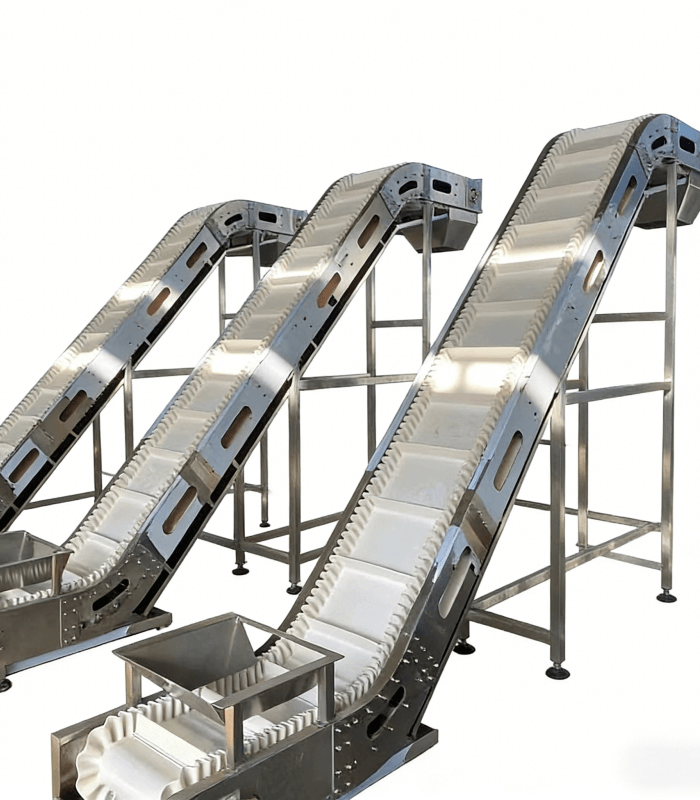
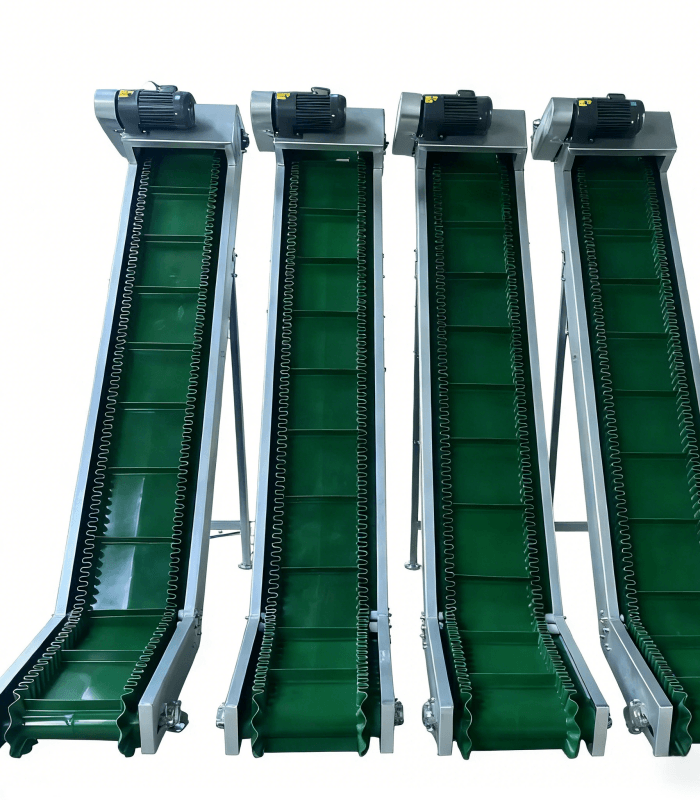
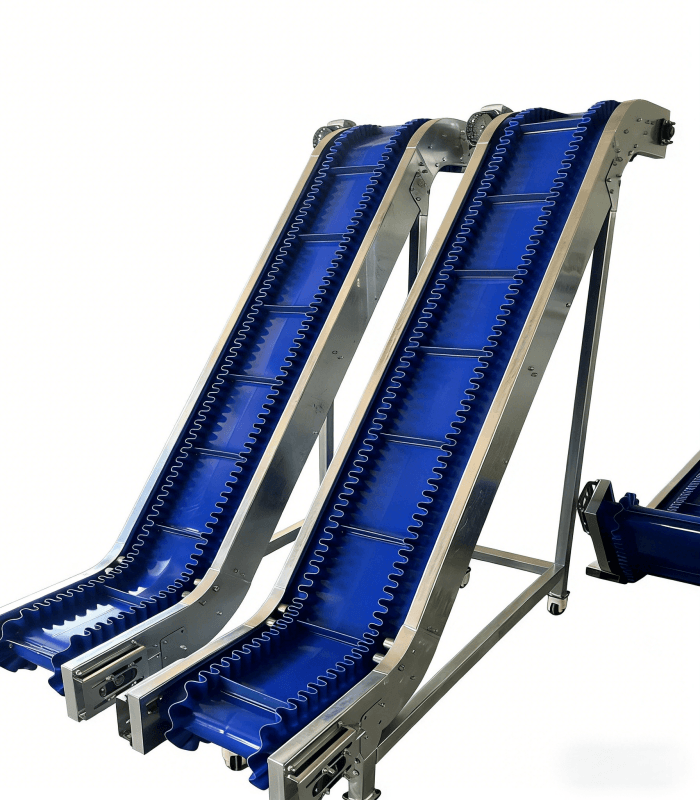
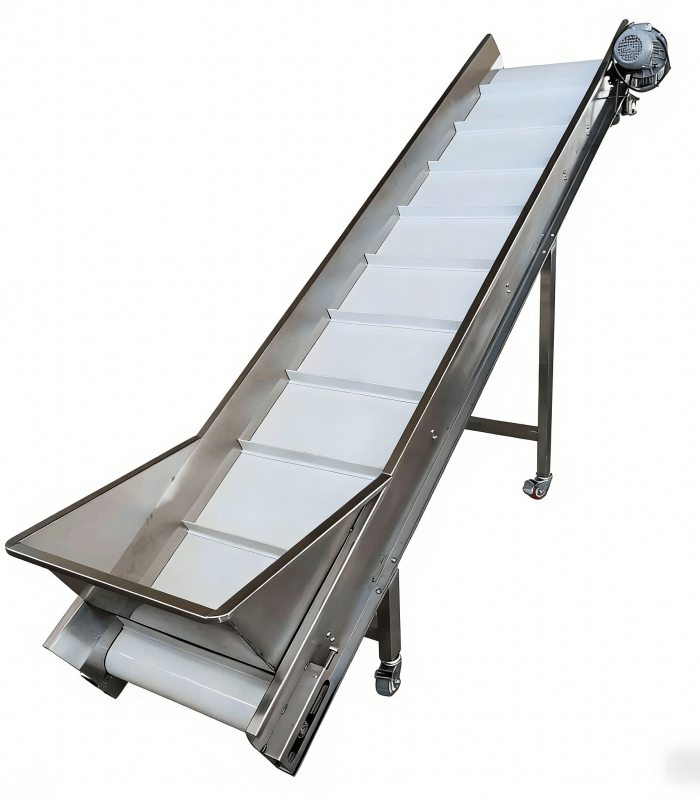
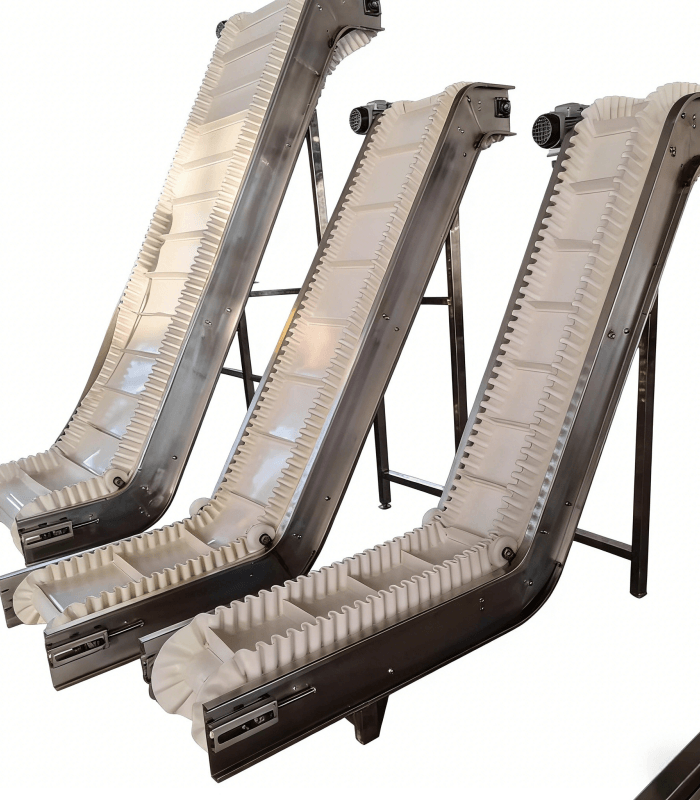
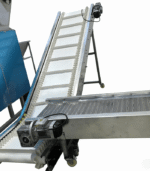
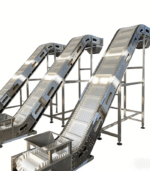
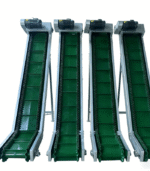
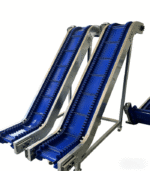
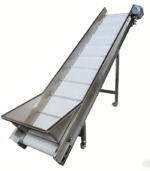
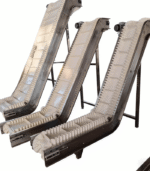
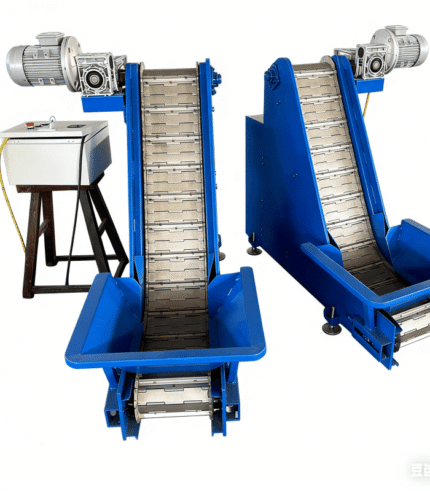
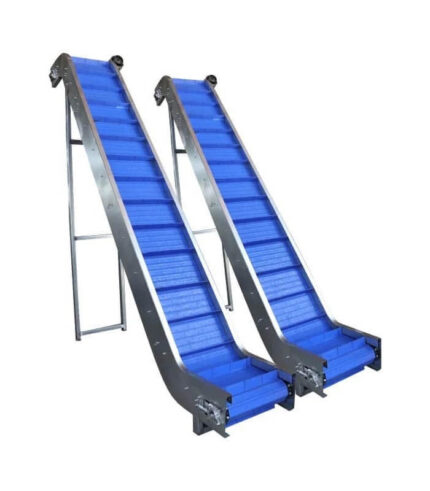
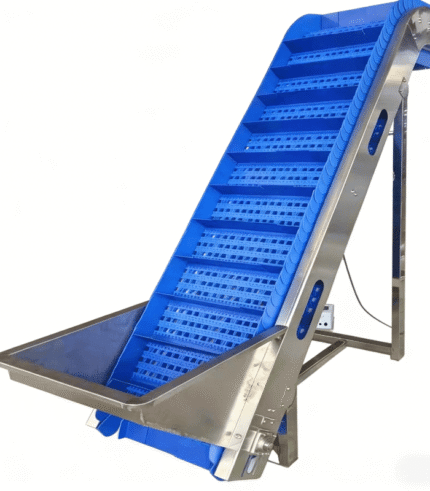
Belt elevator, belt conveyor, sidewall belt conveyor
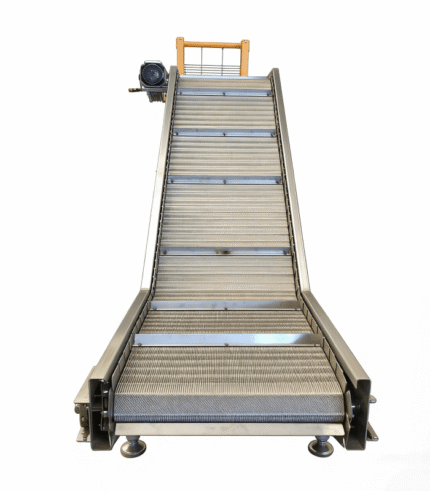
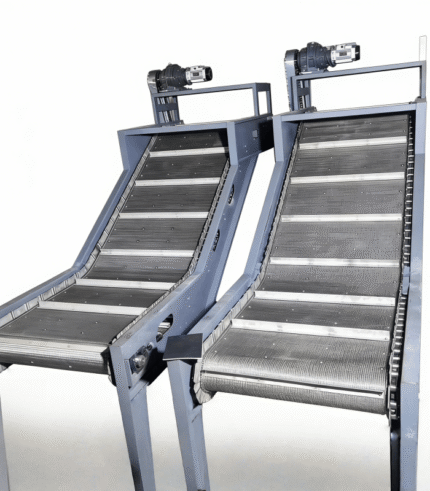
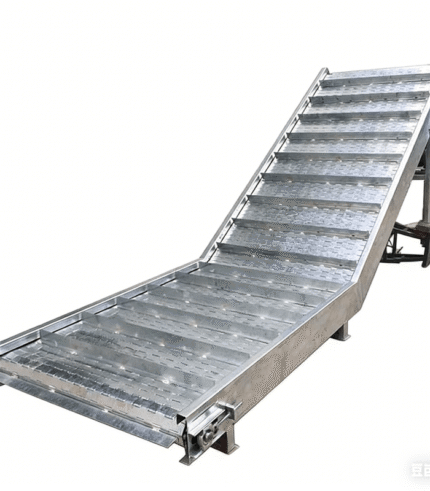
A belt elevator is a type of continuous conveying equipment that uses a rubber belt as the traction member and employs centrifugal discharge; it is suitable for the vertical conveyance of powdery, fine granular, and small lumpy materials.
Belt conveyors (typically referring to TD or DT bucket elevators) use rubber conveyor belts as the traction element and are suitable for the vertical conveyance of powdery, fine-grained, and fragile materials. Compared to chain conveyors, they are more cost-effective and operate more smoothly; however, they are not heat-resistant (materials are typically ≤80°C) and are not suitable for large chunks or highly abrasive materials.
The following outlines their applications, advantages, and manufacturing processes:
📌 Product Applications
Primarily used for conveying materials with a bulk density less than 1.5 t/m³, such as grain, chemical fertilizers, plastic pellets, cement, sand, and gravel. Typical applications include: corn and soybean meal in feed mills, PVC pellets in the chemical industry, and dry sand in the building materials industry.
✨ Product Advantages
· High Efficiency and Energy Savings: The centrifugal discharge mechanism ensures high efficiency, with power consumption only 60%–70% of that of chain-type elevators.
· Gentle on Materials: The elastic belt, combined with rubber buckets featuring a cushioning layer, significantly reduces material breakage rates.
· Smooth Operation: The belt offers excellent flexibility and low noise levels, with a maximum speed of 2 m/s, making it ideal for high-speed, light-load applications.
· Easy Maintenance: The simple structure has few wear parts, and replacing the belt is much more convenient than replacing a chain.
⚙️ Manufacturing Process
· Belt Body Molding: A multi-layer nylon or polyester canvas is used as the skeleton, which is coated with rubber and then vulcanized at high temperatures to ensure high tensile strength and secure joint integrity.
· Anti-Drift Design: Guide strips are vulcanized onto the underside of the belt or positioning grooves are machined, working in conjunction with side-guarded drums to prevent drift during operation.
· Precision Component Finishing: The head and tail pulleys undergo dynamic balancing tests. The head section features a modular assembly design with a pressure relief port, ensuring excellent sealing and safety.
· Special Treatments: For use in the grain industry, the belt must meet food-grade standards and possess anti-static properties; when handling oily materials, oil-resistant rubber is used.
Belt elevators (typically referring to the TD series bucket elevators) use a rubber belt as the traction member and employ centrifugal or mixed discharge methods. They are suitable for the vertical conveyance of powdery, fine granular, and small lumpy materials. The following are the main technical specifications and product details:
🔩 Structure and Core Component Details
· Traction Belt: Features a multi-layer nylon (NN) or polyester (EP) fabric core with 4–8 layers. The rubber coating thickness is 3–6 mm on the top and 1.5–3 mm on the bottom. The belt body is vulcanized at the joints, with joint strength reaching over 90% of the belt body’s strength. Belt width matches the bucket width (200–700 mm).
· Buckets: Four types are available—Q-type (shallow bucket), H-type (curved-bottom bucket), Zd-type (medium-deep bucket), and Sd-type (deep bucket)—selected based on material characteristics. Made of Q235 steel plate or 304 stainless steel (for food or corrosive environments), they are secured to the belt with high-strength bolts.
· Head and Tail Drums: The head drum is rubber-coated to prevent slippage and misalignment; the tail drum is equipped with a tensioning device (screw or gravity-type) to adjust belt tension.
· Drive Unit: Equipped with a hard-tooth-surface reducer and a backstop (for lift heights >20 m) to prevent material spillage during shutdown. Power range: 2.2–15 kW; speed: 37.5–47.5 r/min.
· Housing: Fully sealed structure with a seamed edge design to prevent dust leakage; features an access door and cleaning port for convenient maintenance.
📐 Selection Recommendations
· Suitable Materials: Bulk density < 1.5 t/m³, temperature ≤ 60°C (heat-resistant belts can handle up to 200°C).
· Lift Height: Typically 4–40 meters, with a maximum of 60 meters.
· Selection Logic: Select the bucket type based on material characteristics (particle size, temperature, abrasiveness), and determine the model and power based on conveying capacity and lift height.

评价
目前还没有评价