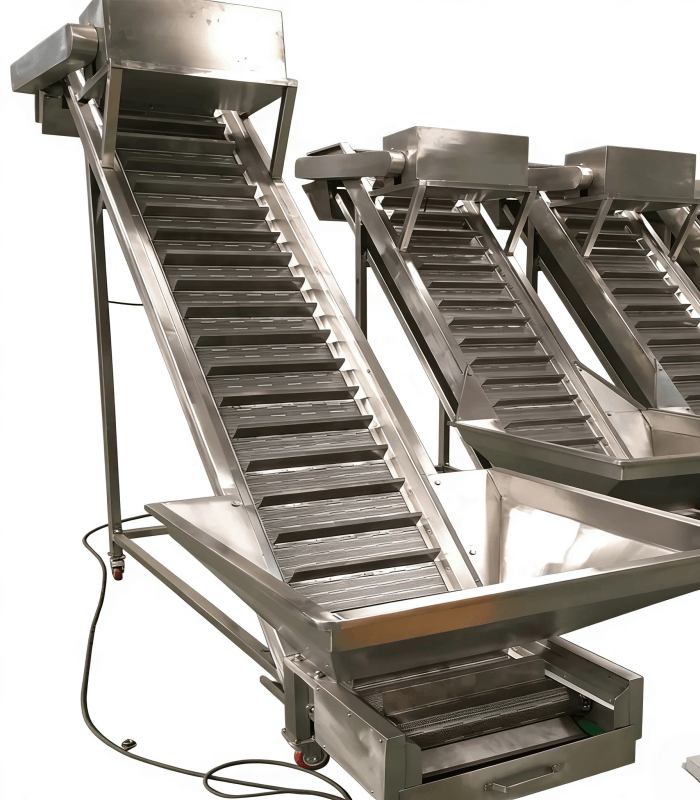
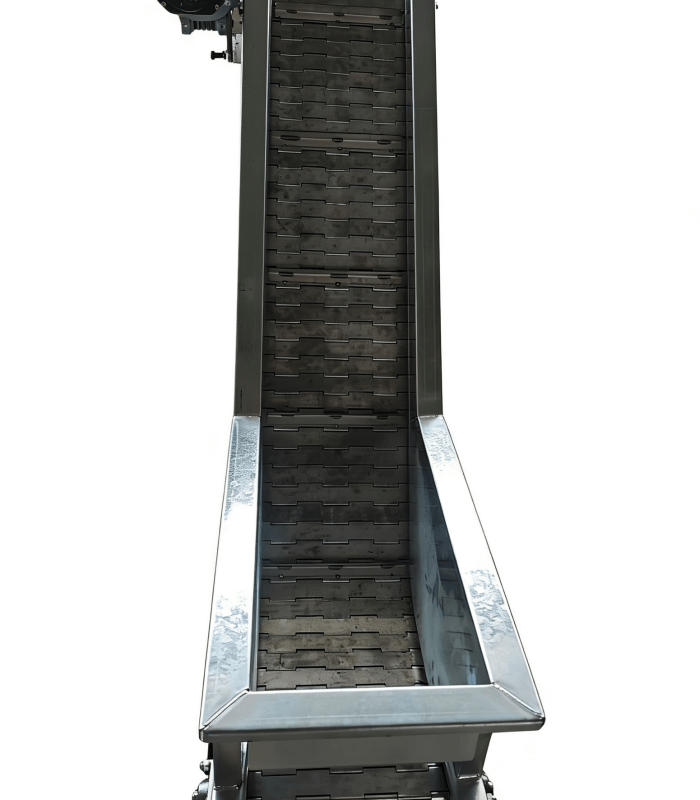
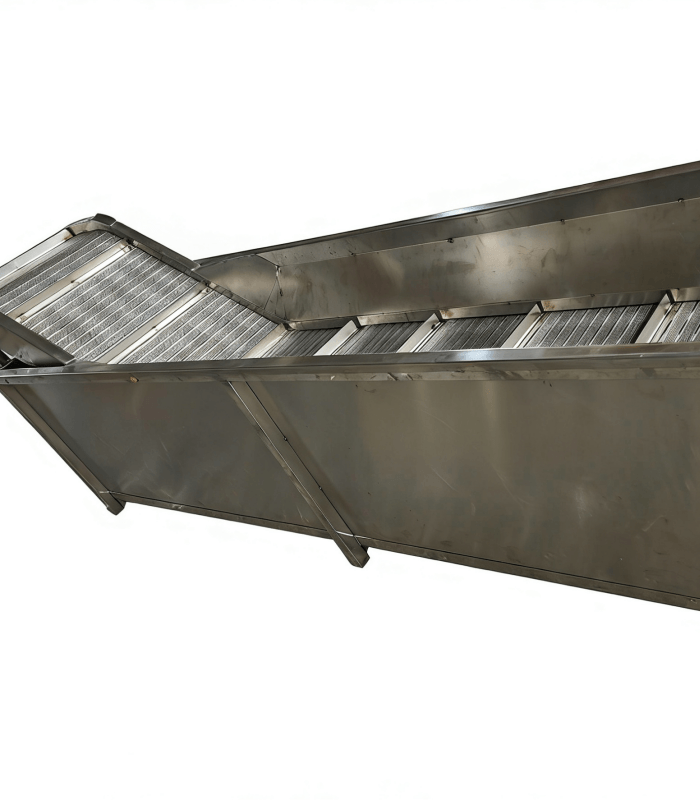
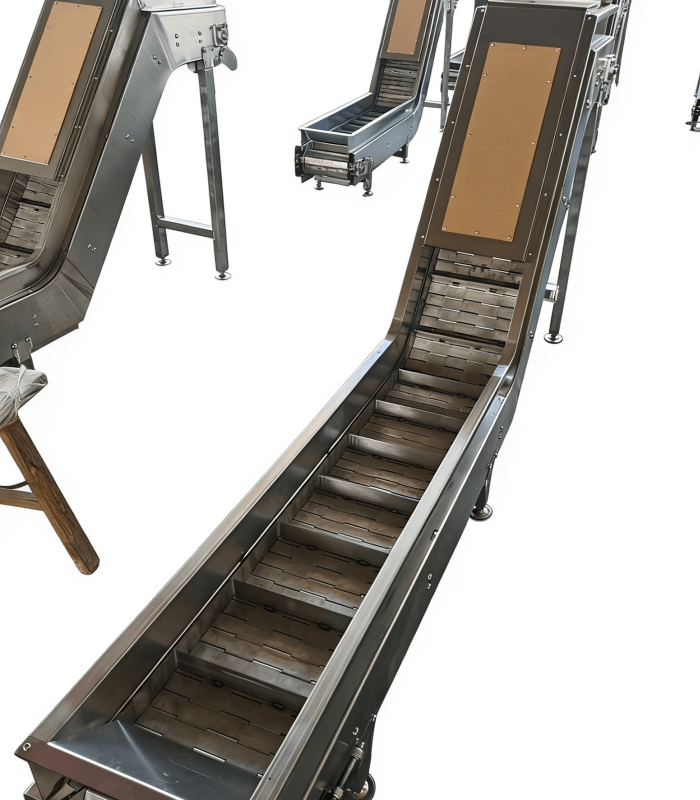
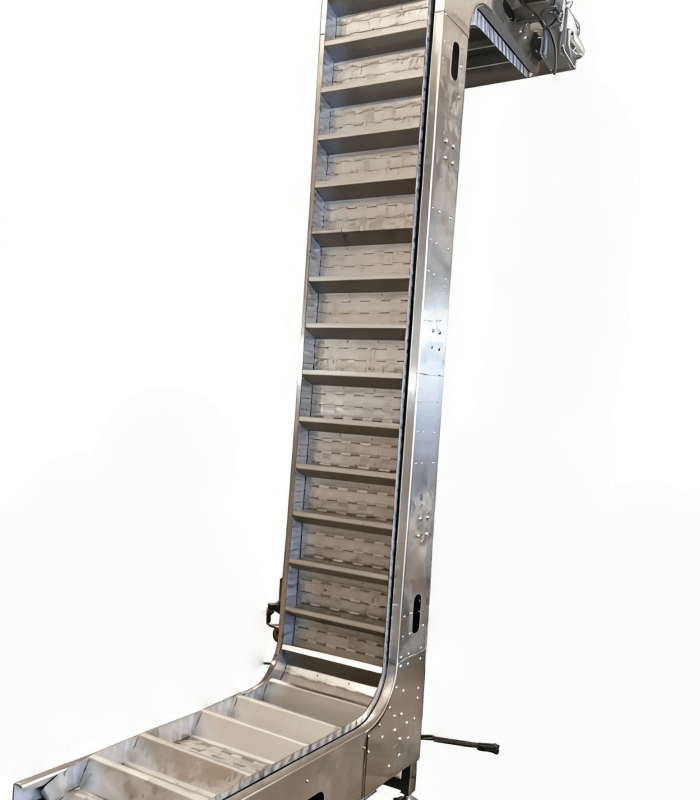
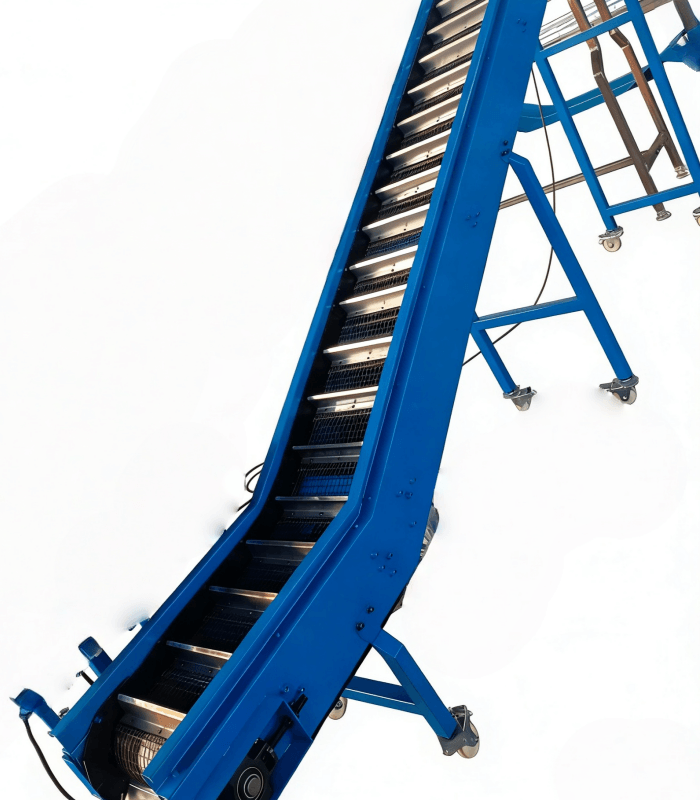
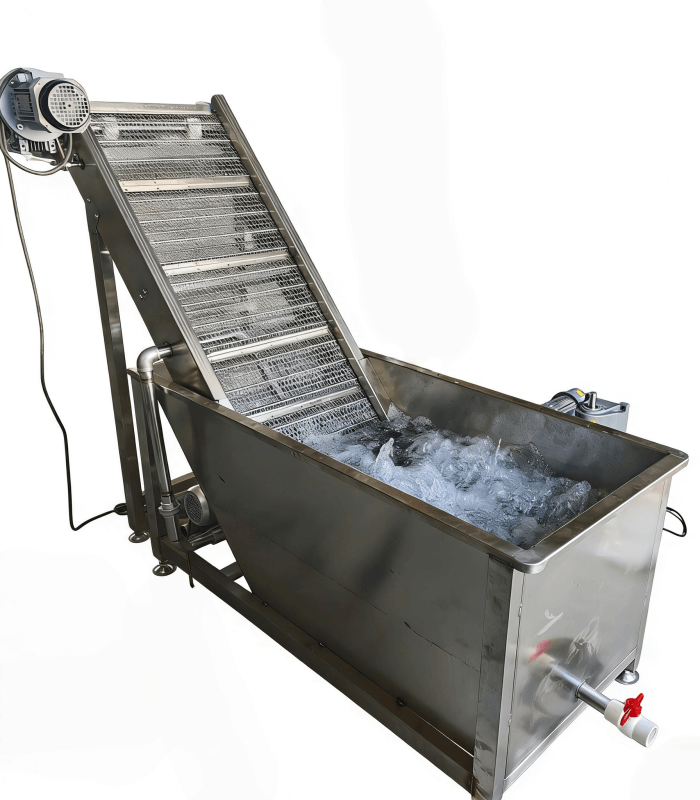
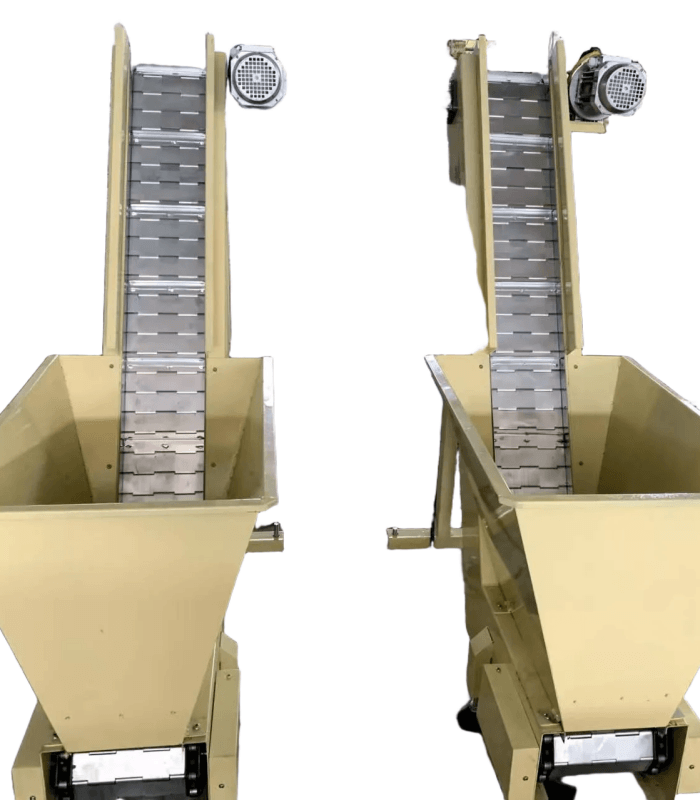
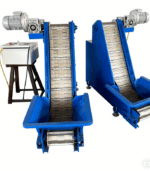
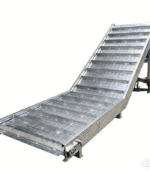
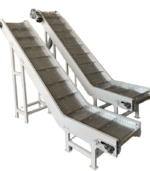
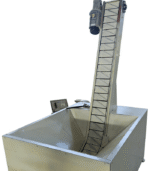
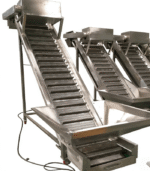
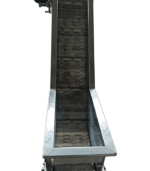
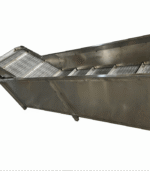
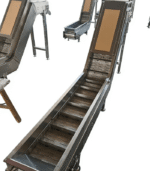
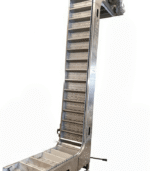
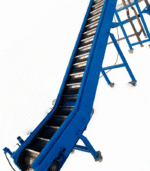
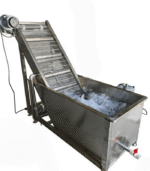
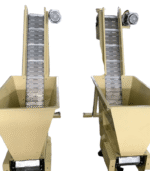
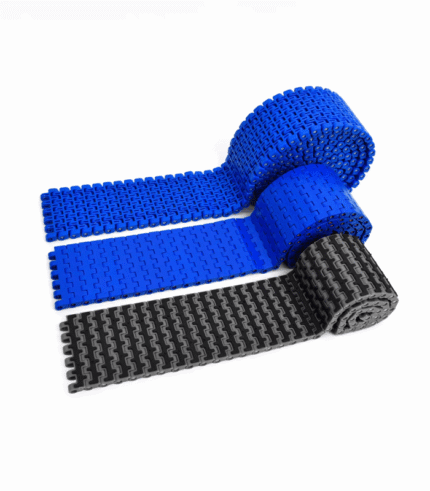
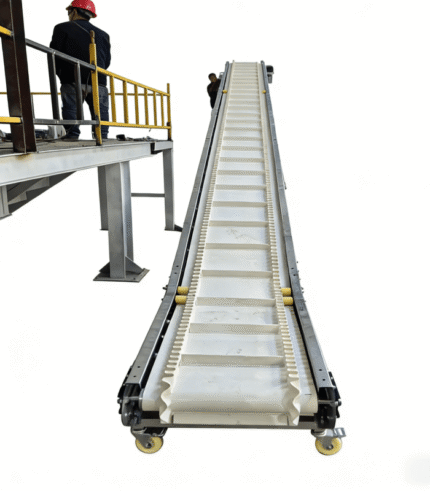
Metal mesh belts, stainless steel mesh chains, metal conveyor belts
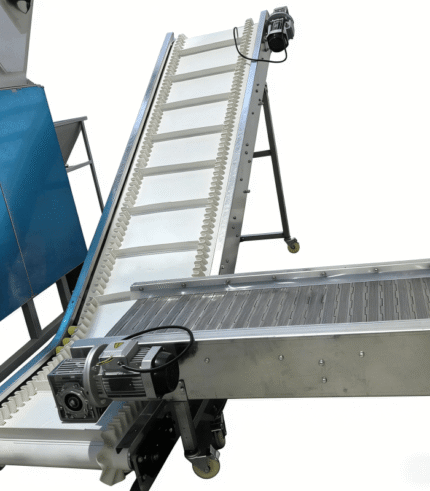
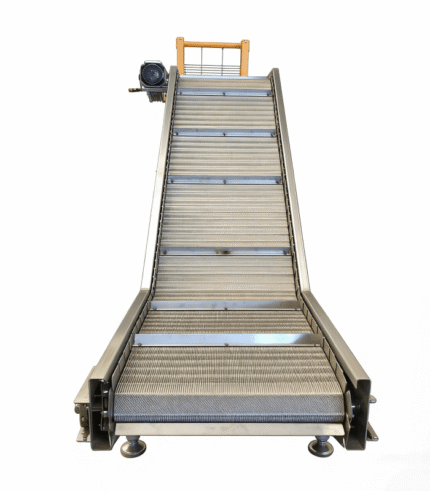
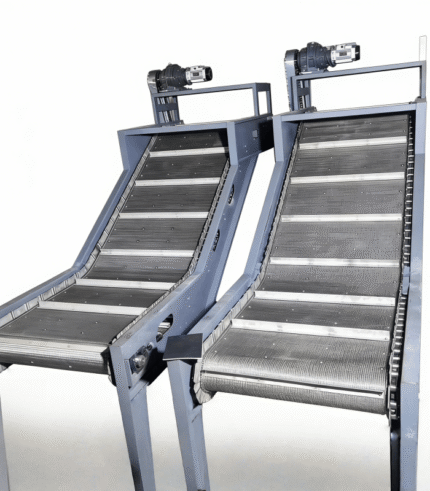
Metal mesh belts are mesh conveyor belts woven from metal wire. They are characterized by high-temperature resistance, good air permeability, and adjustable mesh sizes. They are primarily used in processes such as drying, washing, freezing, and heat treatment that require ventilation or drainage.
A metal mesh belt is a mesh conveyor belt woven from metal wires. Its core advantages lie in its high-temperature resistance (–40°C to 1,150°C), excellent air permeability, and corrosion resistance. It is primarily used in processes such as material drying, cleaning, freezing, and heat treatment.
💎 Core Advantages and Applications
Compared to metal chain belts, the mesh structure of metal mesh belts provides them with several unique features:
· High-Temperature Baking Resistance: Made from heat-resistant steel or stainless steel, they can withstand temperatures up to 1150°C and are widely used in heat treatment furnaces, kilns, and glass annealing production lines.
· Ventilation and Drainage: The mesh structure provides excellent air permeability and drainage, making it ideal for draining vegetables after washing, freezing quick-frozen foods, and ventilation drying in coating equipment.
· Smooth Conveying of Small Items: Through high-density weaving (such as herringbone mesh belts), the fine mesh ensures stable operation, making them suitable for conveying small or easily dislodged items like electronic components and pharmaceutical products.
· Curved Conveying: Special structures (such as U-shaped chain mesh belts) enable 180-degree turns, making them suitable for spiral tower conveyor lines with limited space.
⚙️ Manufacturing Processes
The production of metal mesh belts primarily involves the following two core processes:
· Weaving Process (Mainstream Process): Suitable for fine-gauge materials such as stainless steel wire. The process includes: warping (arranging the metal wires), threading the heddles (guiding the wires into the loom components), CNC weaving (ensuring uniform mesh openings, up to 500 mesh), and cleaning. Extremely high precision is required, with tolerances controlled within 0.05 mm.
· Stamping and Stretching Process: Suitable for specific metal sheets. The process involves: shearing the steel strip, preheating, rolling to open the slit, and hole expansion and shaping. Mesh belts produced using this process have uniform thickness and excellent overall mechanical strength.
The key parameters of metal mesh belts primarily revolve around weave type, material temperature resistance, belt surface dimensions, and mesh specifications.
The following is a detailed parameter comparison table:
1. Weave Types and Structural Parameters
Based on material size and operational requirements, they are mainly classified into the following categories:
· Balanced Type (Type B): Woven by alternating left and right spiral wires, with deeply curved cross wires.
· Features: Smooth operation, minimal deviation, and low elongation; currently the most widely used type.
· Applications: Drying, heat treatment, and food conveying.
· Herringbone/Type B: Dense weave with regular mesh openings.
· Features: Flat surface, capable of conveying small items, and good air permeability.
· Applications: Electronic components, chemical processing, and washing/draining.
· Chain-link/Chain-plate Type: Uses a chain as the drive mechanism.
· Features: High load capacity, high tensile strength, and stable operation.
· Applications: Heavy-duty loads, machining, and metallurgy.
· Great Wall Type: Constructed by connecting flat steel plates to straight shafts.
· Features: Large open area (facilitates ventilation and drainage), high strength-to-weight ratio, and a flat surface.
· Applications: Drainage, refrigeration, and castings conveyance.
· U-Shaped/Spiral Type: Specially designed curved mesh belts.
· Features: Excellent cornering performance (supports 180-degree turns), rigid mesh surface.
· Applications: Conveyor lines for spiral towers and curved lines with limited space.
2. Materials and Temperature Resistance Ratings
The material determines the mesh belt’s temperature resistance and corrosion resistance:
· 304 Stainless Steel: Temperature resistance up to approximately 800°C; highly versatile; the preferred choice for food, pharmaceutical, and general industrial applications.
· 316/316L Stainless Steel: Temperature resistance up to approximately 920°C; contains added molybdenum (Mo), offering enhanced resistance to acid, alkali, and chloride ion corrosion; suitable for chemical and seawater environments.
· 310S/314 Stainless Steel: Temperature resistance of 1100°C to 1200°C; suitable for high-temperature heat treatment and kilns.
· 1Cr13 Heat-Resistant Steel: Temperature resistance of approximately 600°C; lower cost, wear-resistant but with average rust resistance.
3. Geometric and Mechanical Specifications
· Pitch: Refers to the unit length of the weave, commonly 25.4 mm or 38.1 mm (Imperial conversion), which determines the flexibility of the mesh belt.
· Wire Diameter: Typically 1.0 mm – 4.0 mm; the thicker the wire, the stiffer the mesh surface and the higher the load-bearing capacity.
· Width: A wide range of customizations is available, typically 150 mm – 5,500 mm, with a maximum width of up to 8,500 mm.
· Mesh Specifications: Customized based on filtration or air permeability requirements; for fine materials, choose a fine-mesh screen with 30 mesh or higher.
· Speed: The recommended conveying speed is typically 0.15 – 0.50 m/min.


评价
目前还没有评价