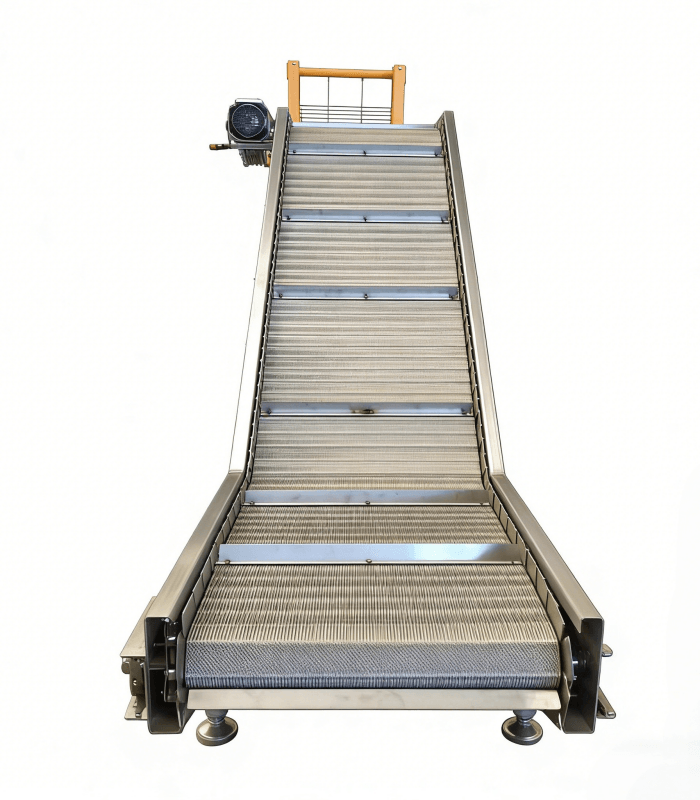
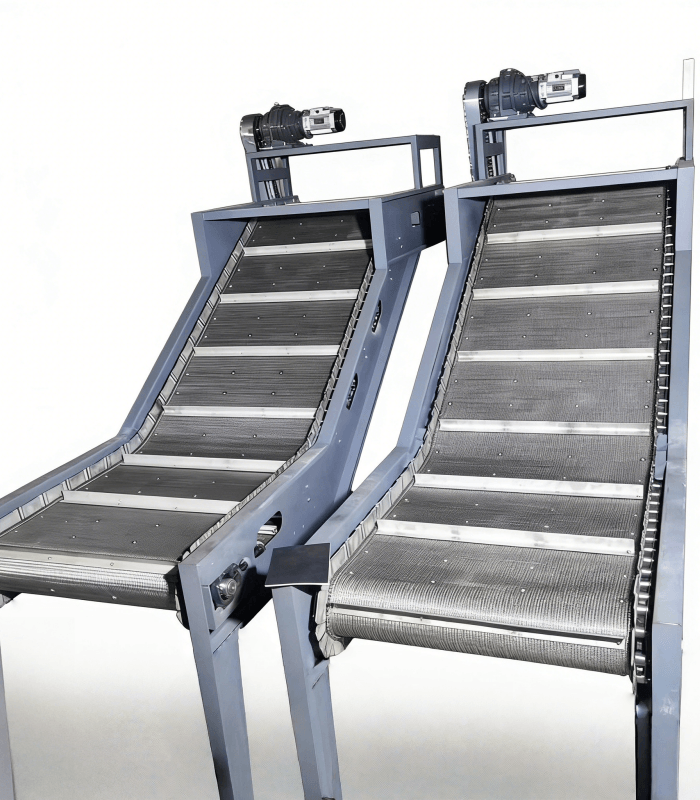
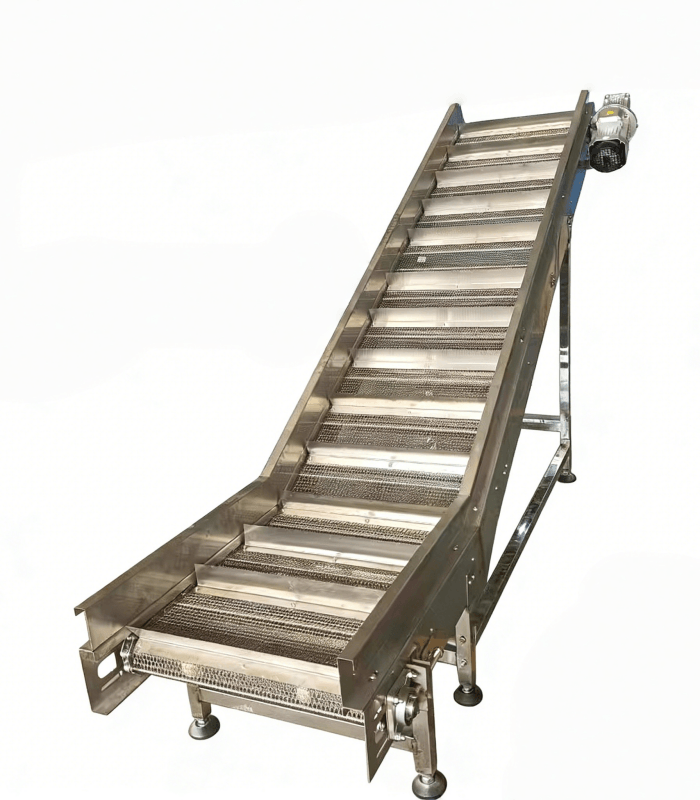
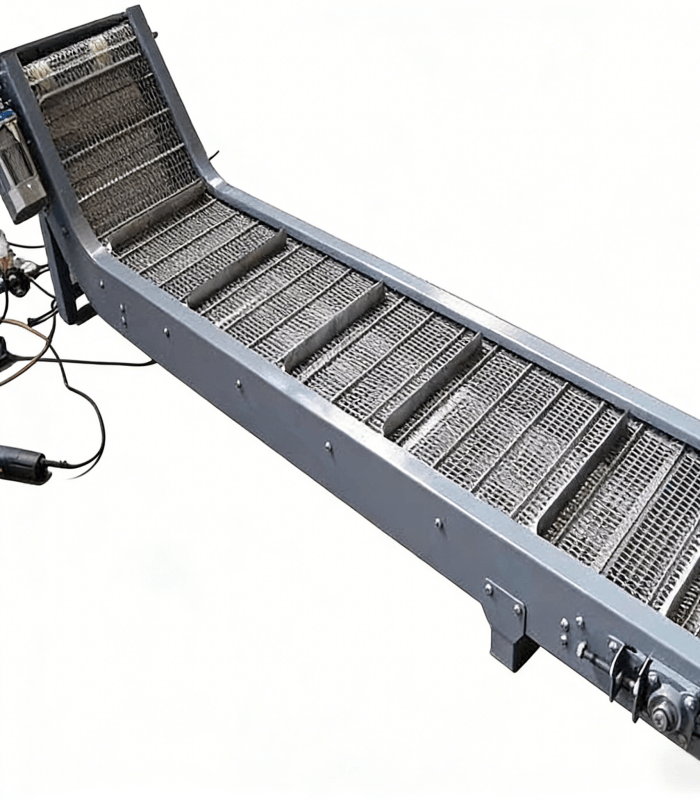
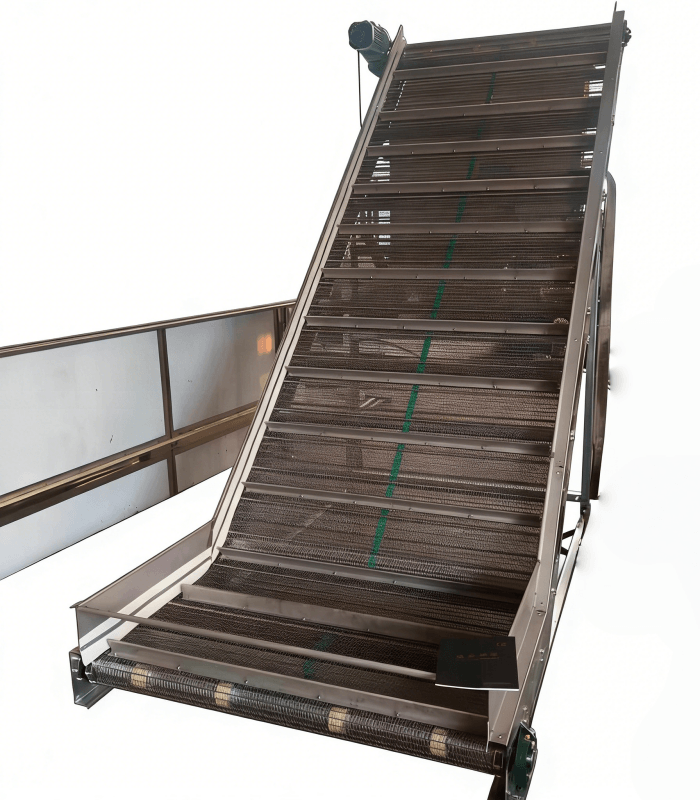
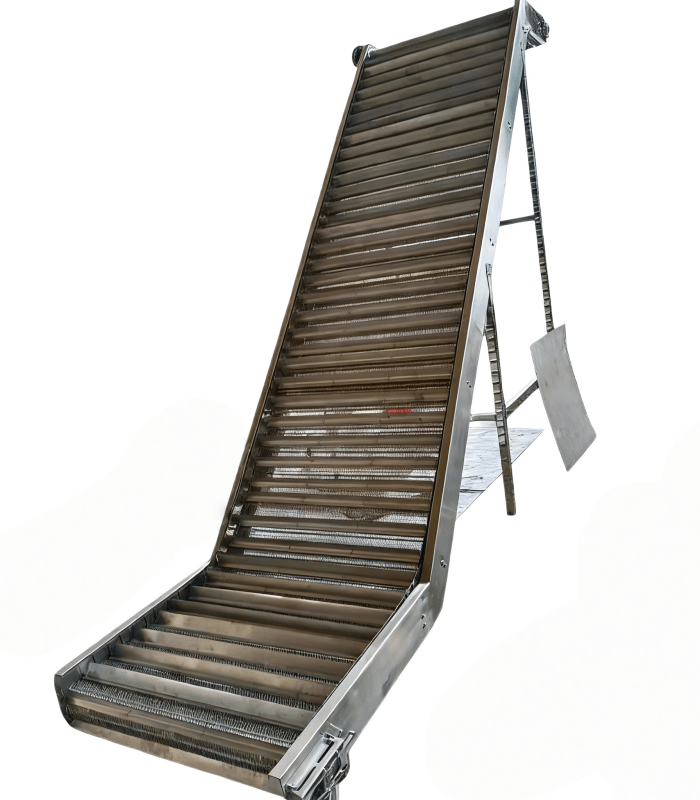
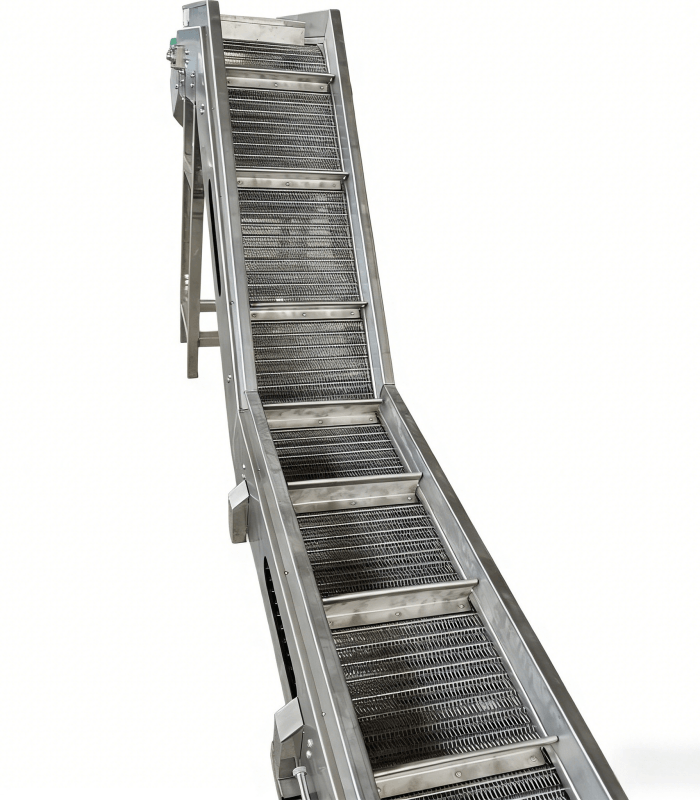
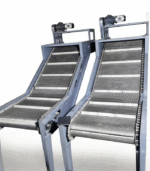
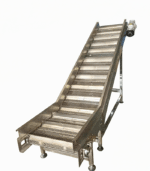
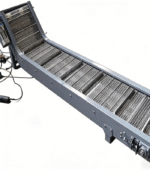
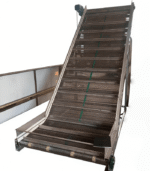
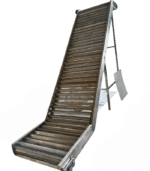
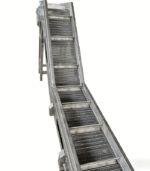
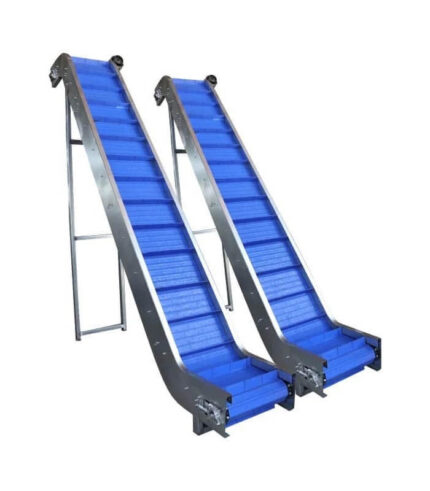
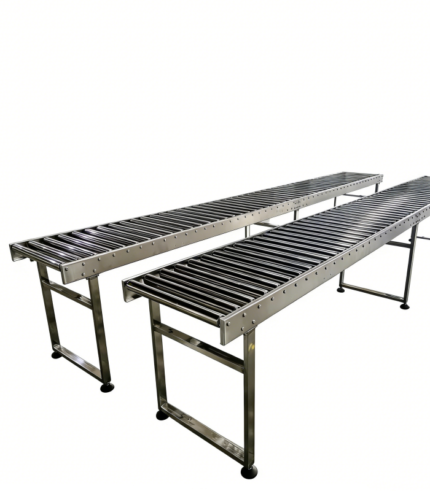
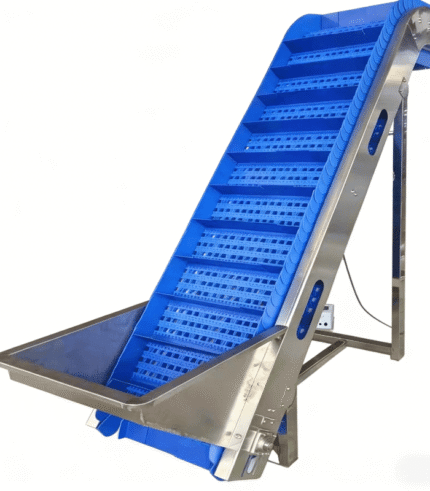
Metal mesh belt elevators, stainless steel mesh belt elevators, metal conveyor elevators
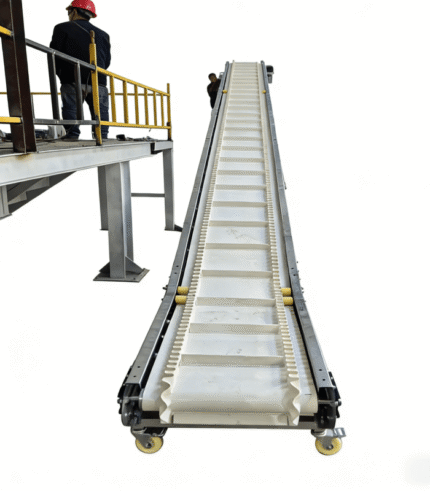
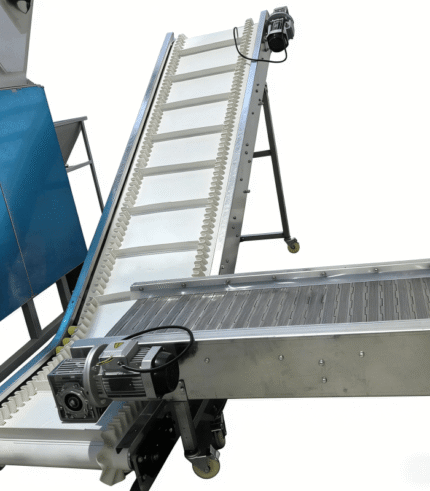
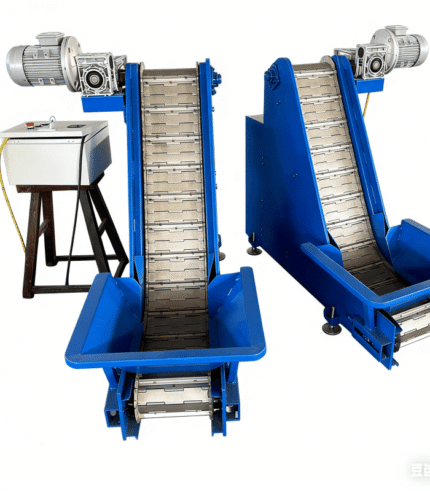
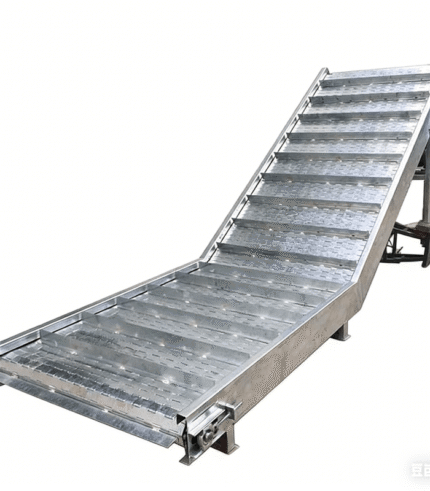
A metal mesh belt elevator is a steep-angle continuous conveying system that uses a metal mesh belt as the conveying medium. It is specifically designed for harsh operating conditions involving high temperatures, heavy loads, and the need for good airflow.
A metal mesh belt elevator is a steep-angle continuous conveying system that uses a metal mesh belt as its conveying medium. It is specifically designed for harsh operating conditions involving high temperatures, heavy loads, and the need for good air permeability.
The following is a detailed introduction to its core applications, advantages, and manufacturing processes:
🎯 Product Applications
· High-Temperature Operations: An ideal choice for heat treatment, drying, sintering, and freezing production lines, capable of reliably conveying materials at temperatures as high as 600°C or even 1200°C.
· Heavy-Duty Conveying: Suitable for conveying heavy or sharp items such as glass bottles, canned beverages, automotive parts, and building materials; resistant to cutting and deformation.
· Specialized Applications: Widely used in the cement, paper, sugar, and chemical industries to convey powdered, granular, and slurry materials.
✨ Product Advantages
· Heat and Corrosion Resistance: Constructed from 304/316 stainless steel or carbon steel, it withstands high temperatures, oil, and water while resisting corrosion, ensuring a long service life.
· Robust Construction: Overcomes the drawbacks of belts tearing or puncturing easily. The thick mesh belt withstands cutting and impact, offers high load-bearing capacity, and resists snaking or deviation.
· High Efficiency and Energy Savings: Replaces sliding friction with rolling friction via rollers, reducing operating resistance by 55–65%. This results in lower energy consumption and higher conveying capacity, with a maximum incline of up to 60 degrees.
· Easy Maintenance: The modular design facilitates disassembly and cleaning, significantly reducing maintenance costs compared to belt conveyors.
⚙️ Manufacturing Process
· Drive Protection: Equipped with overload protection devices such as torque limiters; in the event of a jam, power is automatically cut off to prevent damage to the motor and components.
· Dust-proof Design (Z-Type Machine): Protective shields are installed above the drive mechanism to prevent debris from falling and accumulating; flip-open side panels are also designed to facilitate cleaning of internal hard-to-reach areas.
· Optimized Guidance: Rollers distributed along the mesh belt work in conjunction with guide rails to convert sliding friction into rolling friction, significantly reducing wear and extending the service life of the guide rails.
🔍 Selection Guide
· Key Parameters: Lifting height (0.5–15 m), conveying speed (0.1–5 m/s), rated load (50 kg–5 t), and equipment inclination angle (typically ≤60°).
· Application Scenarios: Confirm the maximum material temperature (to determine material selection), particle size, and whether the material is corrosive.
· Customization Options: Horizontal, inclined, or Z-type configurations can be customized based on the site layout.
Detailed technical specifications and product details for metal mesh belt elevators, combining industry standards with typical manufacturing processes:
📊 Key Technical Specifications
Parameter Name Industry Standard Reference Values Selection Guidelines and Details
Effective Width 300–1200 mm Determined by the material’s outer diameter and conveying capacity; the belt width directly affects conveying capacity.
Elevation Angle ≤ 60° Standard incline angles can reach 60°; a Z-shaped structure design can be adopted for vertical lifting.
Conveying Capacity 0.5 – 20 t/h Depends on material bulk density, mesh belt width, and conveying speed.
Conveying Speed 0.1 – 20 m/min Typically equipped with variable frequency drives or stepless speed variation motors to accommodate different production process requirements.
Lifting Height: 0.5–12 m. This refers to the vertical distance from the feed inlet to the discharge outlet and can be customized according to the customer’s on-site layout.
Motor Power: 0.18–2.2 kW. The power rating depends on the overall length of the conveyor, conveying capacity, and lifting height. Higher power is required for heavy loads or long distances.
🔍 Key Structures and Details
1. Mesh Belt Specifications
· Chain Pitch: Common options include 25.4 mm, 38.1 mm, and 50.8 mm, which determine the smoothness of the drive.
· Mesh Aperture Size: Customized based on material particle size, with open area ratios ranging from 2% to 48% to meet requirements for water permeability, air permeability, or leak prevention.
· Material: SUS304 stainless steel is commonly used in food and pharmaceutical applications; SUS316 is selected for highly corrosive environments; heat-resistant alloy steel is available for high-temperature conditions.
2. Dust-Proof and Maintenance-Friendly Design (Z-Type Machine Feature)
· Protective Baffles: Protective baffles are installed above the lower drive mechanism to effectively prevent debris from falling onto the drive and idler rollers, reducing internal material buildup.
· Flip-Up Side Panels: The limit stops on both sides of the conveyor are connected via flip-up assemblies. During cleaning, there is no need to remove the mesh belt; simply flip up the side panels to quickly clear accumulated debris from internal corners.
3. Drive and Tensioning System
· Drive Type: Utilizes a gearmotor drive installed at the head of the equipment. For special environments (such as heat treatment oil baths), a reinforced bottom channel steel structure can be adopted to withstand heavy loads.
· Tensioning Method: A screw tensioning device is installed at the tail end to adjust the belt tension, preventing misalignment or slippage during operation.
4. Custom Accessories
· To increase the conveying angle and prevent material from falling off, baffles and side skirts can be added to the belt surface.
· Washing System: For food-grade applications, spray pipes can be added to simultaneously wash or cool the material during conveyance.
⚙️ Customization Recommendations
Since the height of metal mesh belt elevators is custom-made, manufacturers typically require the following information to provide an accurate quote:
1. Material characteristics: Name, temperature (whether high-temperature), presence of oil/corrosiveness, particle size.
2. Capacity requirements: How many tons (t/h) or kilograms (kg) need to be conveyed per hour.
3. Layout Dimensions: Feed height, discharge height (i.e., lifting height), and horizontal conveying distance.
4. Environmental Requirements: Indoor/outdoor use; whether waterproofing or explosion-proofing is required; presence of acidic or alkaline gases.


评价
目前还没有评价