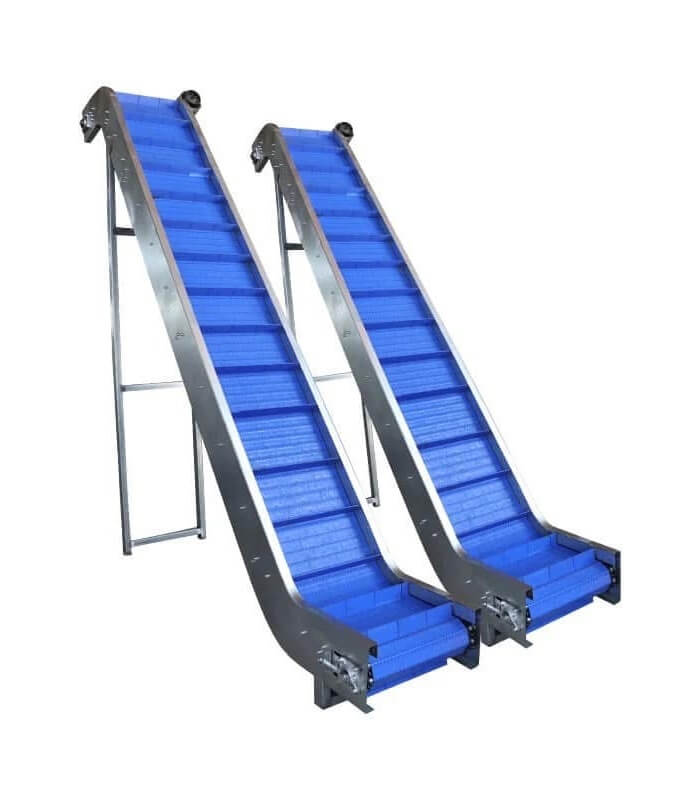
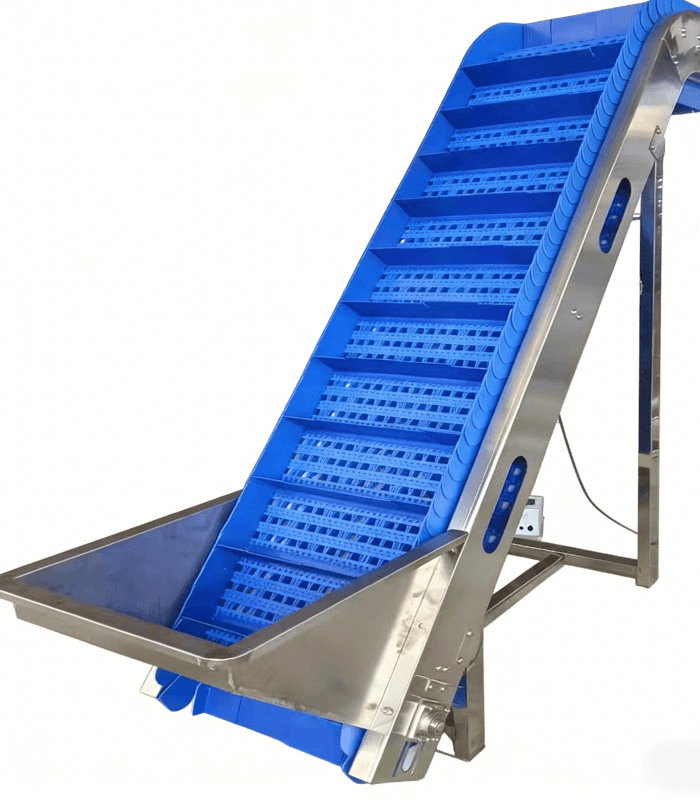
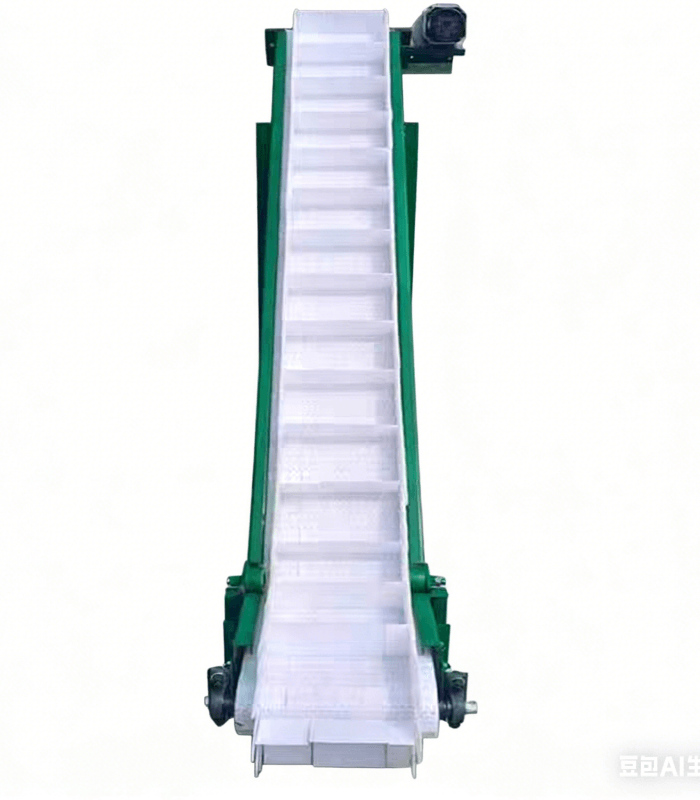
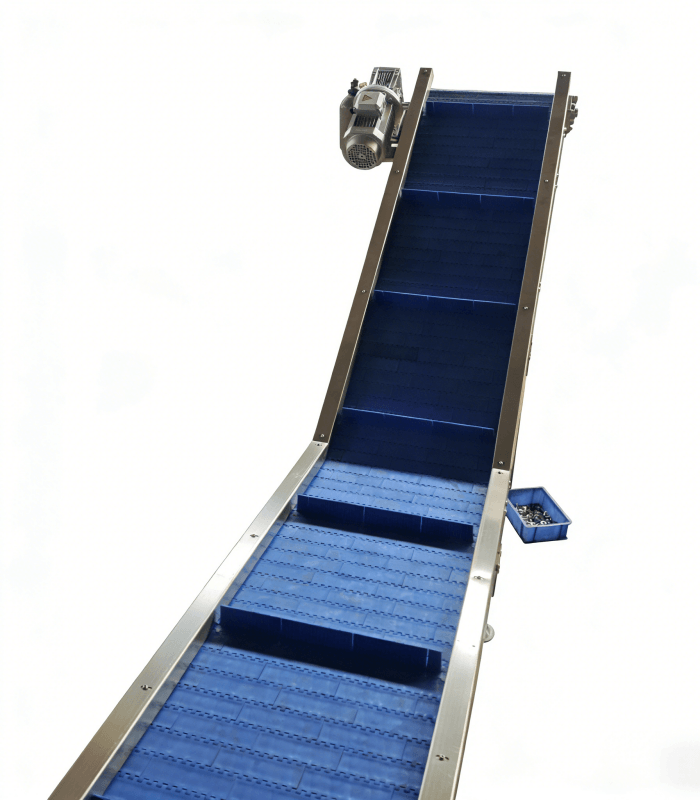
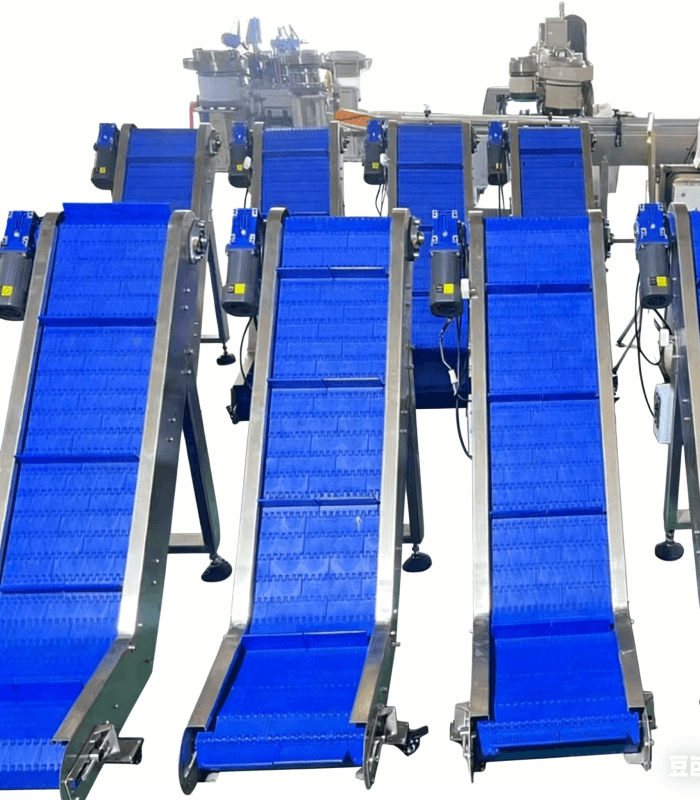
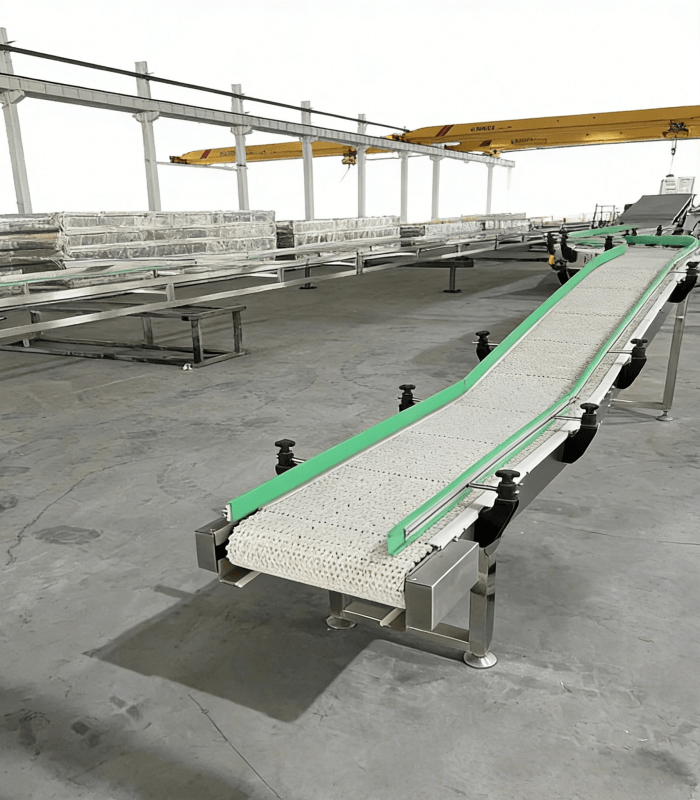
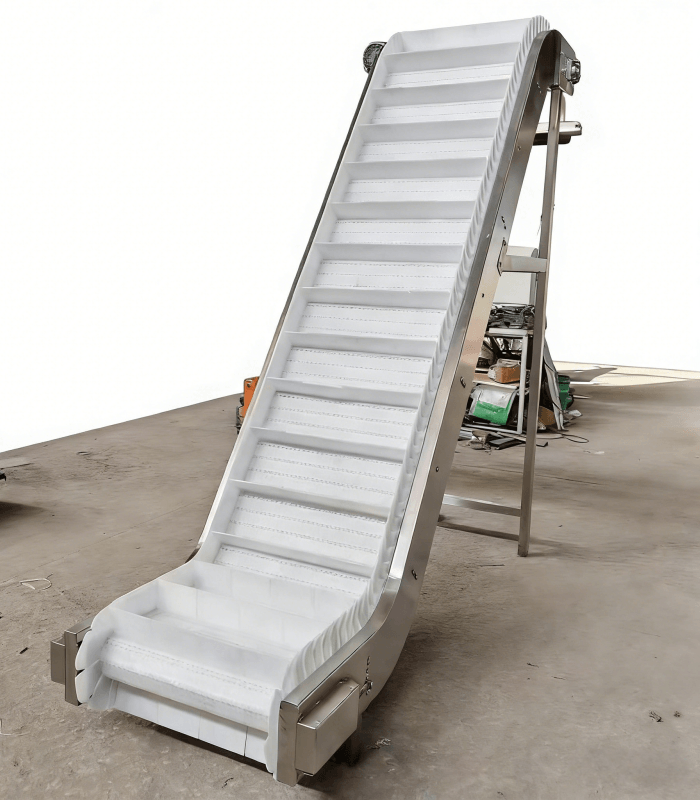
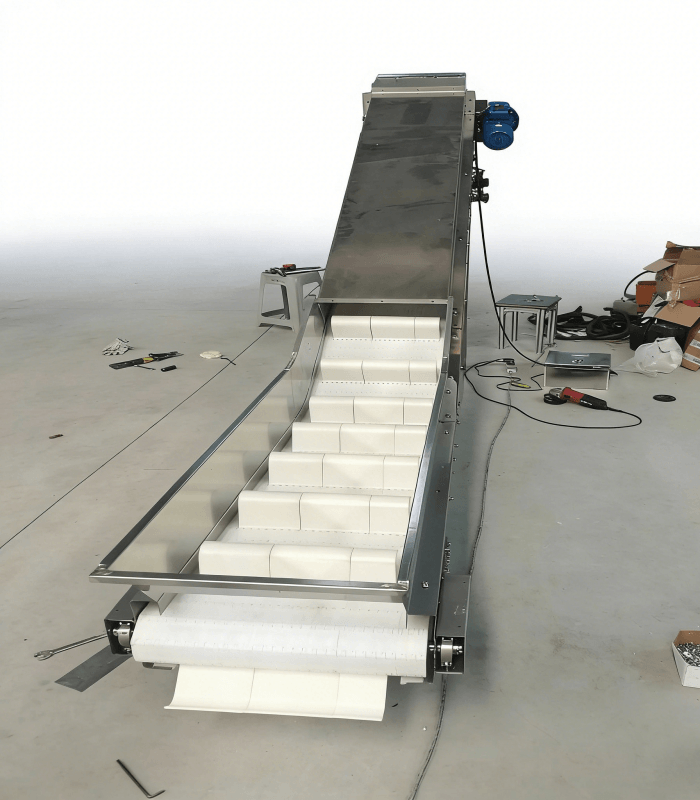
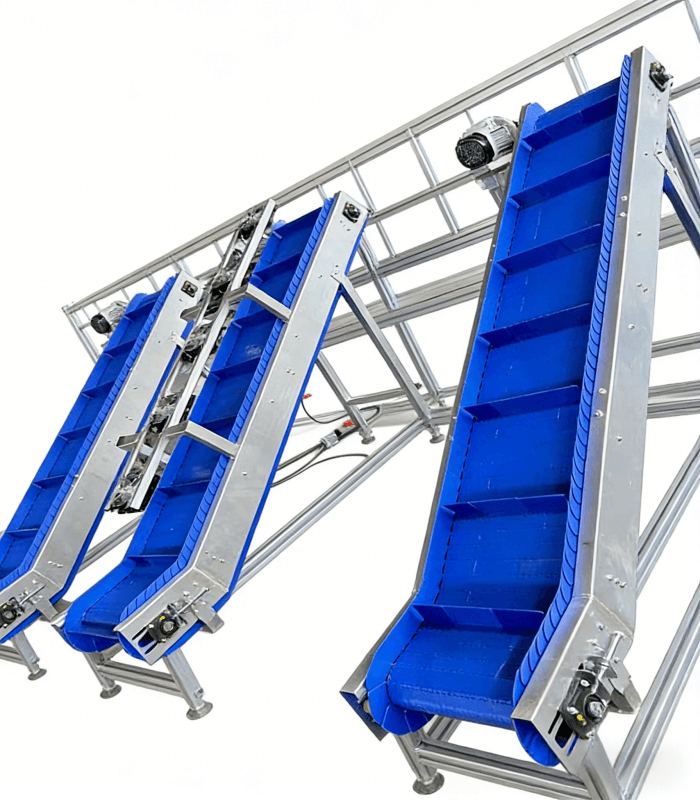
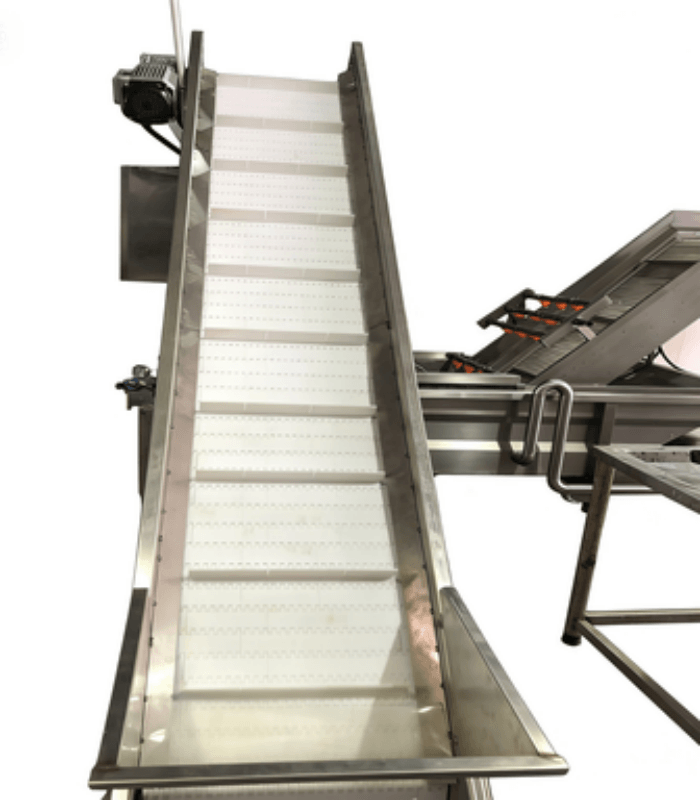
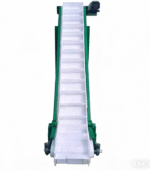
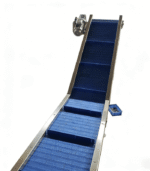
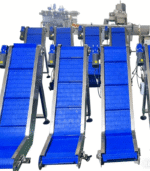
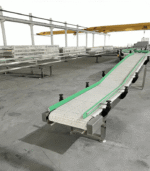
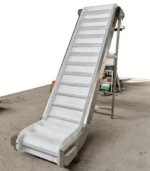
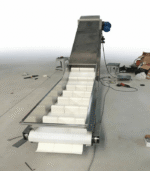
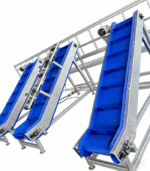
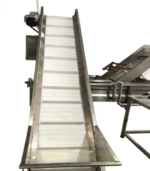
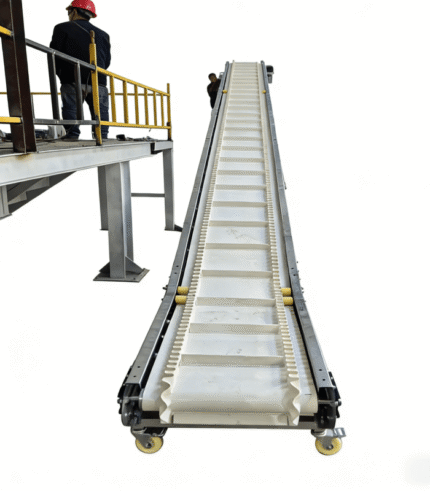
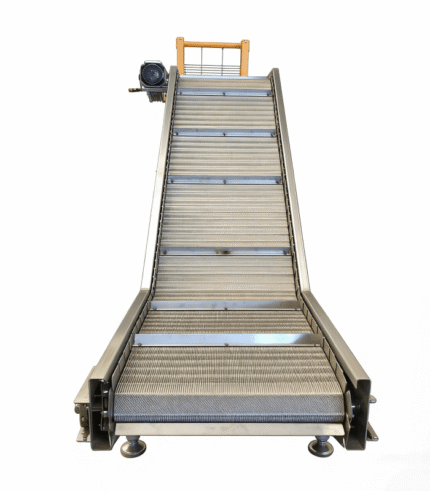
Plastic slat conveyor, plastic mesh belt conveyor,
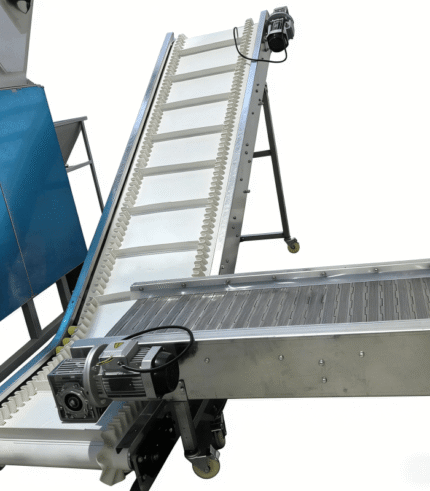
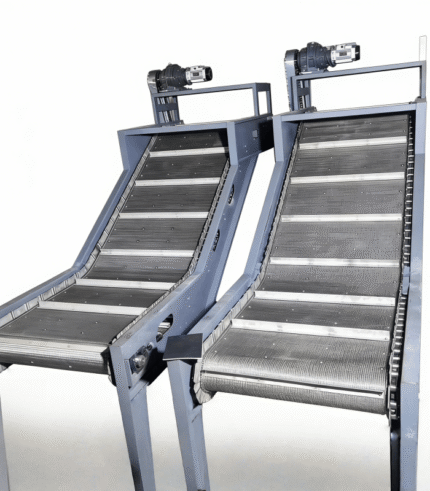
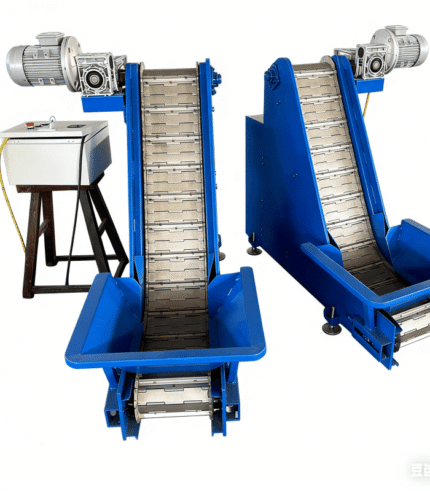
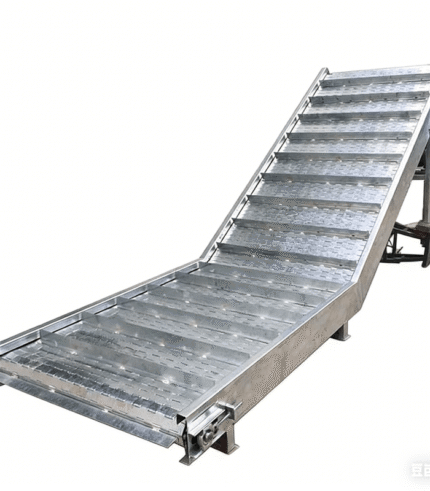
A plastic chain conveyor is a piece of equipment that uses modular plastic chain plates as the conveying medium to achieve continuous, smooth, and clean material transport at steep angles or vertically.
Plastic chain conveyors are common continuous conveying equipment in automated production lines. They use circulating plastic chain plates to smoothly lift materials from lower to higher elevations. Known for their hygienic design, durability, and flexible layout, they are widely used in industries such as food and beverage, pharmaceuticals, and chemicals.
Below are the core applications, advantages, and manufacturing processes of this product:
🎯 Product Applications
Primarily designed for industries with high hygiene requirements or where materials are prone to damage, these conveyors handle vertical or steep-angle transport:
· Food and Pharmaceuticals: Conveys potato chips, candy, frozen foods, and various bottled and canned products. The plastic material complies with food safety standards and can be washed directly with water.
· Personal Care and Electronics: Used for automated end-of-line packaging of cosmetics and cleaning products, or for conveying small items such as electronic components and automotive parts.
· Special Materials: Suitable for conveying fragile or sticky materials, such as screws and plastic pellets, utilizing a smooth “flow-through” design to minimize material damage.
✨ Product Advantages
Compared to belt conveyors or traditional metal bucket elevators, the advantages are clear:
· Hygienic and Easy to Clean: The smooth surface prevents material adhesion and allows for direct water rinsing, making it ideal for cleanrooms.
· Durable and Low-Noise: Engineering plastics like POM (polyoxymethylene) are wear-resistant, operate quietly, and resist acid and alkali corrosion, making them suitable for a wide range of environments.
· Flexible Layout: With a modular design, it easily accommodates horizontal, inclined, spiral, and even curved conveying, adapting to complex factory layouts.
· Gentle on Materials: The smooth conveying surface prevents materials from being crushed or damaged by mutual friction during the lifting process.
⚙️ Manufacturing Process
To balance durability and cleanliness, the manufacturing process typically adheres to the following standards:
· Frame and Welding: The main body is usually made of 304 stainless steel or carbon steel. For complex models such as spiral elevators, modular design and process improvements (e.g., replacing round tubes with square tubes) are employed to reduce welding complexity while ensuring structural strength.
· Chain Plate Injection Molding: The core component, the chain plate, is manufactured using injection molding. Depending on the load, food-grade PP (polypropylene) or high-strength POM (polyoxymethylene) materials are selected.
· Final Assembly and Commissioning: After assembling all components, the tensioning mechanism must be rigorously adjusted and lubricated with grease to ensure smooth operation and prevent the chain plates from drifting off course.
Additionally, this type of equipment offers a high degree of customization. Manufacturers typically flexibly configure chain plate specifications, motor power, and frame materials based on material characteristics, conveying height, and production capacity requirements.
Plastic chain conveyors are highly customized equipment, and their core parameters (such as material, dimensions, and motor power) are typically designed based on material characteristics, conveying capacity, and site layout.
The following are the general technical specifications for common industry models (such as the STJ and FSJ series) for your reference during selection:
📊 Core Technical Parameters
Parameter Name Industry Standard Reference Values Selection Guidelines and Details
Effective Width 300 – 1200 mm Determined by the material’s outer diameter and conveying capacity; a wider belt provides greater conveying capacity.
Lifting Angle ≤ 45° (Standard) (Up to 90° for special bucket-type models) Standard plastic chain conveyors are suitable for slopes less than 45°; for vertical lifting, select chain conveyors with baffles or bucket-type structures.
Single-Unit Length 1000–10,000 mm (1–10 m) Refers to the straight-line distance from the inlet to the outlet; for lengths exceeding this range, it is generally recommended to use multiple sections or select a different model.
Conveying Capacity Approx. 10 kg/m (Per-meter load capacity) (Total system capacity: 1–3 t/h) Refers to the weight of material that each meter of chain plate can carry. The total system capacity is influenced by motor power and lifting height; typical capacities range from 1 to 3 tons per hour.
Conveyor speed: Max. 20 m/min (adjustable) Equipped with a stepless speed-adjustable motor or variable frequency drive, the conveyor speed can be flexibly adjusted to meet production process requirements.
Motor Power: 0.18 kW / 0.37 kW / 0.55 kW / 0.75 kW / 1.1 kW / 1.5 kW / 2.2 kW. The required power depends on the conveyor’s overall length, conveying capacity, and lift height. Longer distances and heavier loads require motors with higher power ratings.
🔍 Key Structure and Details
In addition to the above parameters, the structural details of the equipment directly impact durability and hygiene standards:
· Frame Material: The food and pharmaceutical industries typically use SUS304 stainless steel, which is corrosion-resistant and easy to clean; for general chemical applications or dry materials, carbon steel (powder-coated) can be selected to reduce costs.
· Chain Plate Material:
· Food-grade PP (polypropylene): Resistant to acids and alkalis, lower cost, suitable for fruits, vegetables, beverages, etc.
· High-strength POM (polyoxymethylene): Better wear resistance and rigidity, suitable for heavier or abrasive materials.
· Drive Configuration: Typically driven by a motor + gearbox located at the head of the equipment. For easy cleaning, the motor is usually equipped with a stainless steel protective cover.
· Feeding Method: The feed inlet is often designed as an inclined plate or a hopper. On some high-end models, the hopper angle is adjustable to control the material flow rate and prevent blockages.
⚙️ Parameters Required for Selection
Due to the high degree of customization, manufacturers typically require you to specify the following information to provide an accurate solution:
1. Material characteristics: Name, density, particle size, presence of oil/water, and temperature range.
2. Capacity requirements: How many kilograms (kg/h) or tons (T/h) need to be conveyed per hour.
3. Layout dimensions: Feed height (usually lower) and discharge height (determines the total lift height), as well as the horizontal conveying distance.
4. Environmental requirements: Whether the design needs to accommodate ambient temperature, low temperature, humid conditions, or a cleanroom environment.


评价
目前还没有评价