Conveyor Belt Supplier Guide: Vetting Reliable Manufacturers

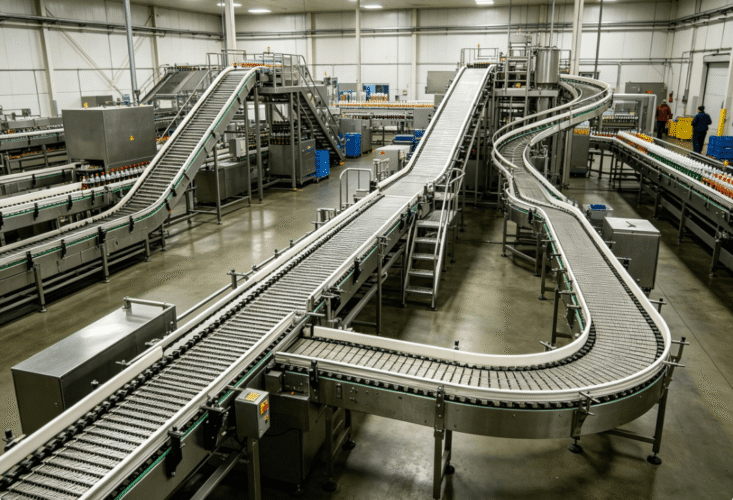
In high-volume material handling and industrial automation, selecting a reliable conveyor belt supplier goes far beyond comparing unit prices. Procurement managers and OEM engineers must evaluate production scalability, material engineering, and tolerance control. A disruption in a conveying system halts the entire production line. Therefore, partnering with a manufacturer capable of meeting strict dynamic load requirements and custom layout configurations is critical for long-term operational stability.
Core Metrics for Evaluating a Conveyor Belt Supplier
What defines a reliable conveyor belt supplier in today’s B2B manufacturing landscape? An experienced industrial partner must demonstrate precise control over both mechanical fabrication and material science.
To streamline supplier evaluation, prioritize these technical capabilities:
- Customization footprint: Ability to engineer specific pitches, widths, and structural layouts.
- Tracking and alignment expertise: Demonstrable testing for straight and curved belt tracking.
- Component integration: In-house production of compatible sprockets, chains, and precision bushings.
- Material certification: Documented compliance with industry standards like FDA, USDA, or anti-static (ESD) ratings.
- Scalable lead times: Transparent capacity for low-volume prototyping and mass OEM production.
Evaluating Material Expertise and Application Suitability
Different industrial environments demand specific surface materials and structural designs. A competent manufacturer will not simply sell a generic belt; they will recommend materials based on friction coefficients, temperature resistance, and chemical exposure.
When reviewing a supplier’s catalog—such as exploring a specialized range of automation and conveyor products—always cross-reference their primary material competencies directly with your environmental application needs.
| Material / Structure | Ideal Industrial Application | Supplier Manufacturing Considerations |
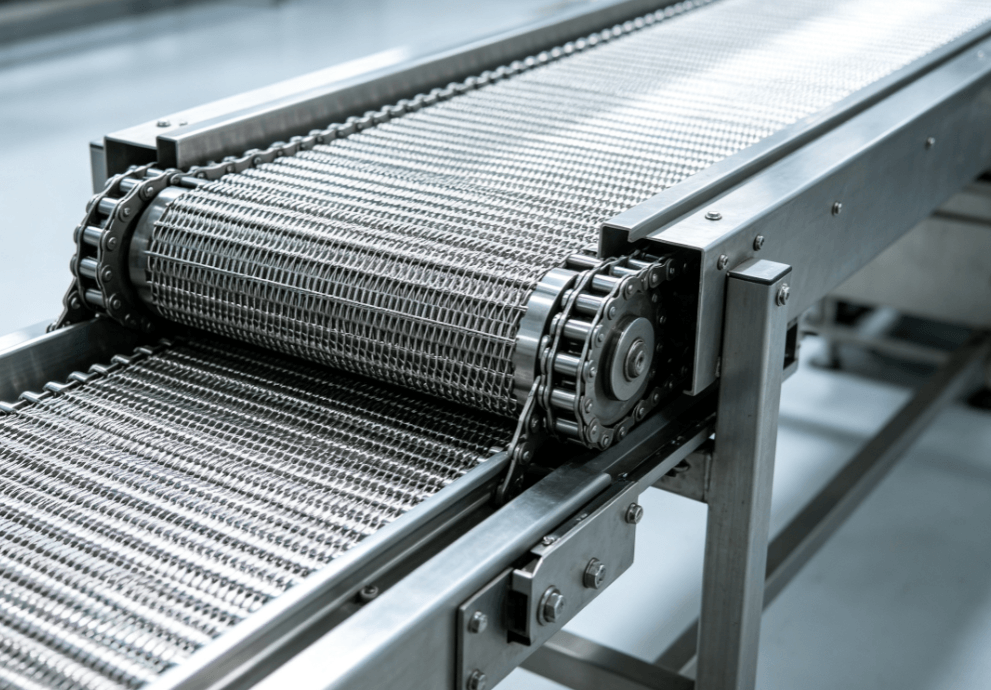
| Metal Mesh Belts | High-temperature baking, washing, cooling lines. | Requires precise wire weaving and edge finishing to prevent snagging under thermal expansion. |
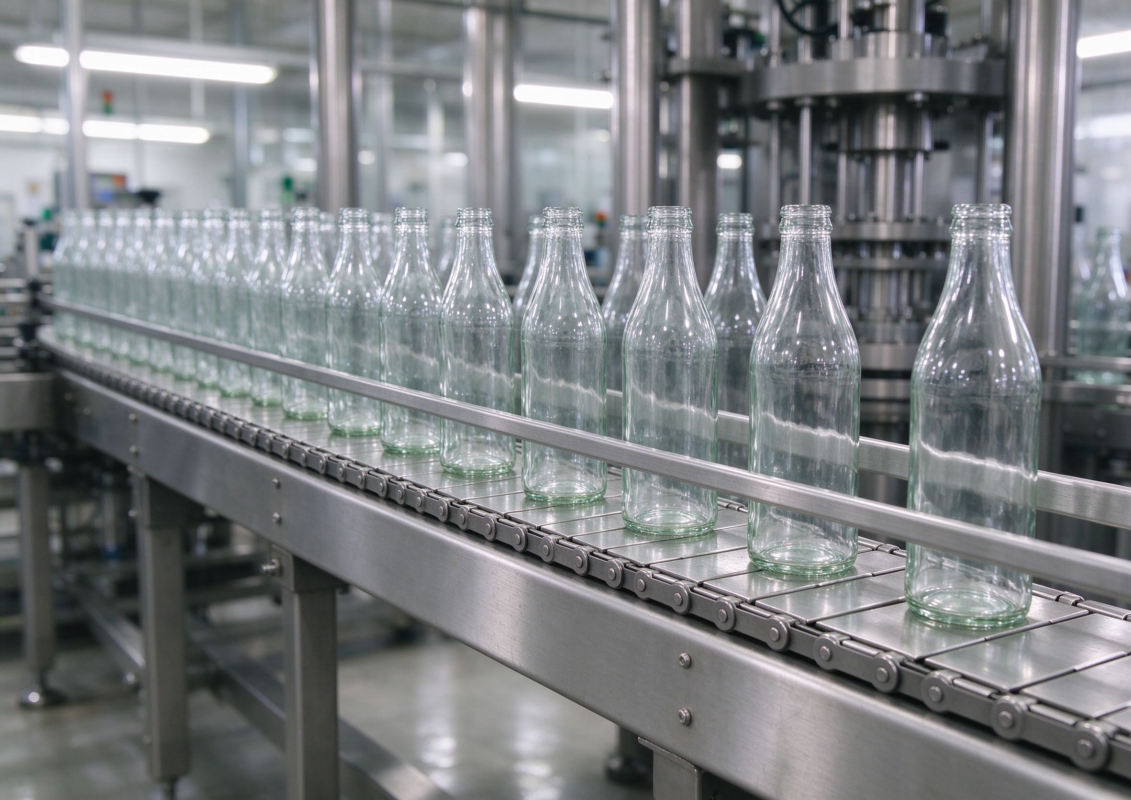
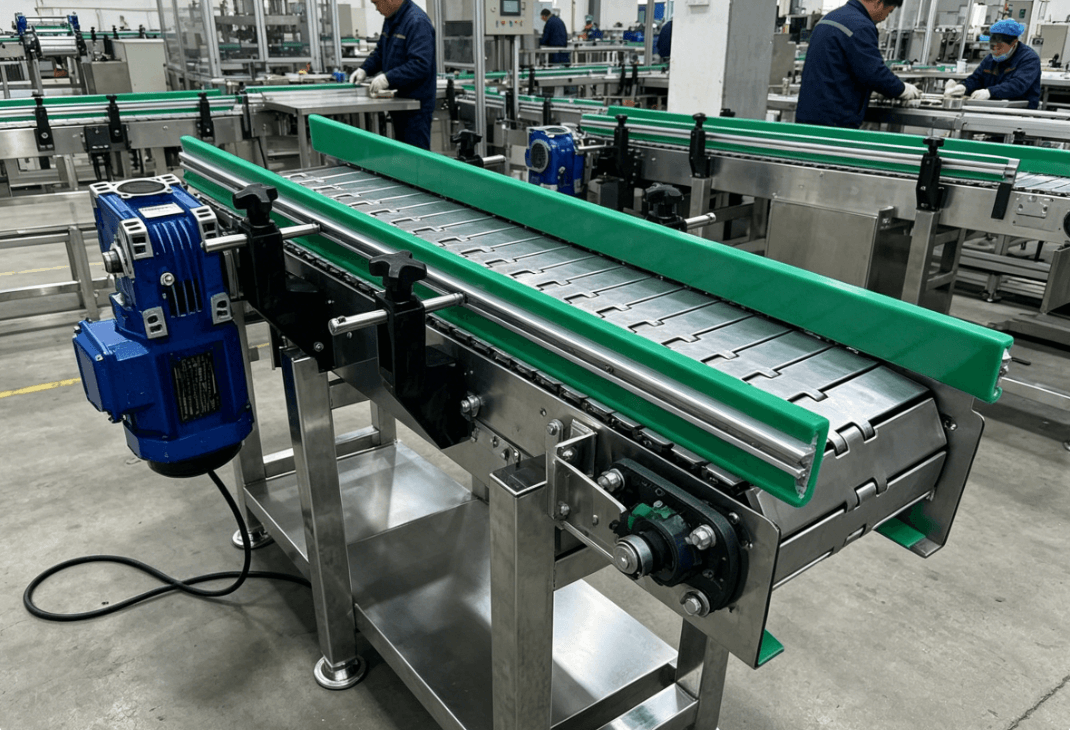
| Plastic Chain Plates | Canning, bottling, food processing, packaging. | Must utilize low-friction polymers (like POM/Acetal) and ensure precise pin and bushing molding. |
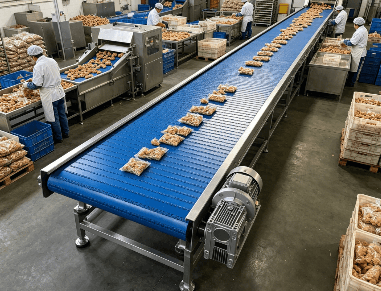
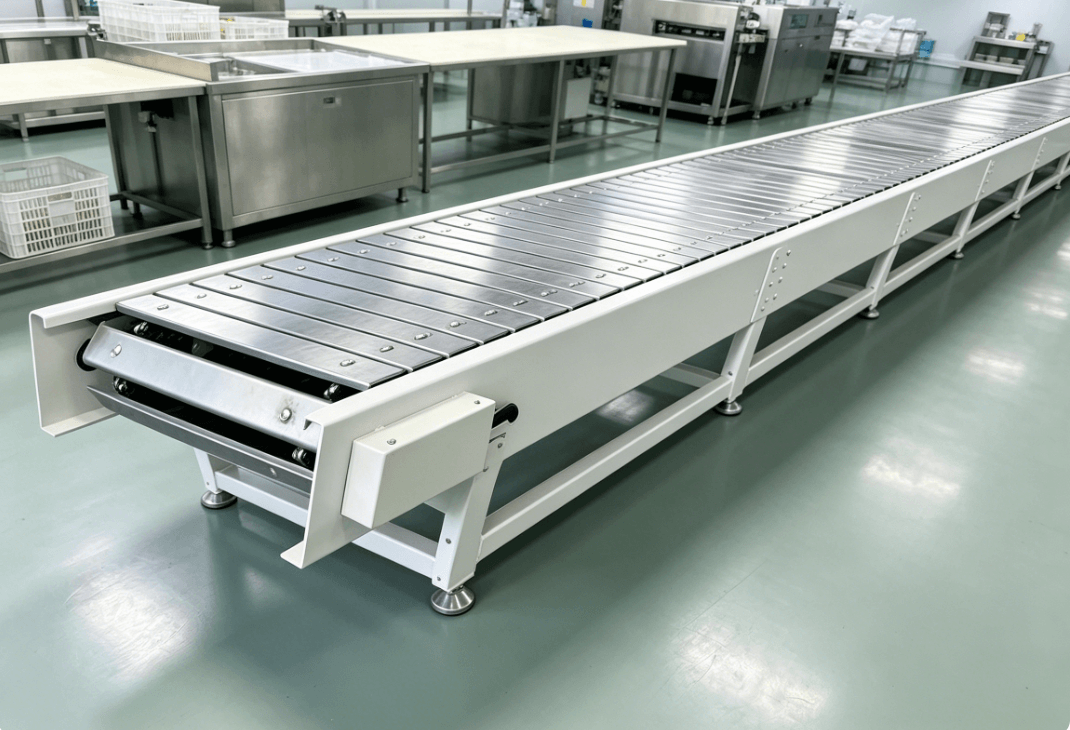
| PU/PVC Flat Belts | General logistics, electronics assembly, warehousing. | Fabric ply layers must be vulcanized correctly to prevent delamination during high-speed routing. |
Technical Compliance and Quality Inspection
For industrial manufacturing applications, subjective quality claims are insufficient. You must verify the supplier’s engineering standards.
Request documentation regarding their tension testing and load distribution analysis. Belts subjected to heavy industrial loads will stretch over time. A reliable manufacturer pre-tensions belts and provides specific elongation data.
In specialized sectors like food and beverage or pharmaceuticals, compliance is non-negotiable. Suppliers must provide raw material traceability. For instance, plastic modular belts and flat-top chains used in bottling must adhere strictly to FDA CFR Title 21 regulations for direct food contact. Furthermore, mechanical designs should follow guidelines set by organizations such as the Conveyor Equipment Manufacturers Association (CEMA) to ensure safe sprocket engagement and load-bearing limits.

Navigating the RFQ and Prototype Workflow
The Request for Quote (RFQ) process reveals a factory’s true engineering capacity. When you submit technical drawings or layout dimensions, pay attention to the supplier’s response.
Experienced OEM project managers do not just ask for a price per meter. A robust RFQ should include maximum dynamic loads, operating speeds, ambient temperature ranges, and incline angles. If a supplier quotes immediately without verifying pulley diameters, motor specifications, or back-bending requirements, treat it as a red flag.
Sampling delays may occur when custom tooling is required for unique plastic chain modules or specific metal plate thicknesses. Always clarify prototyping costs and tooling ownership before signing a manufacturing agreement. Establish a clear timeline for first-article inspection (FAI) before authorizing full-scale production.
Aligning Factory Capabilities with Complex Layouts
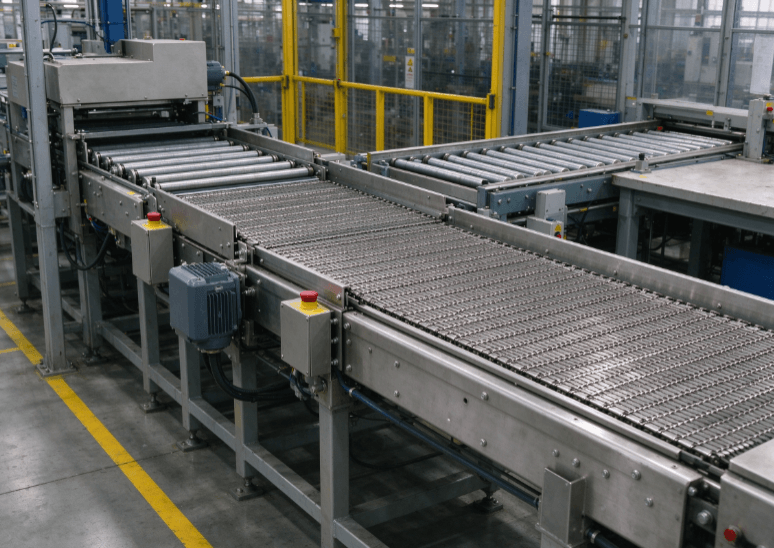
Generalist suppliers often struggle with complex spatial constraints. If your facility requires directional changes, incline transport, or space-saving vertical routing, you need a specialized factory. Floor-mounted roller systems, curved conveyors, and spiral lifts require exact geometric calculations to prevent product jamming.
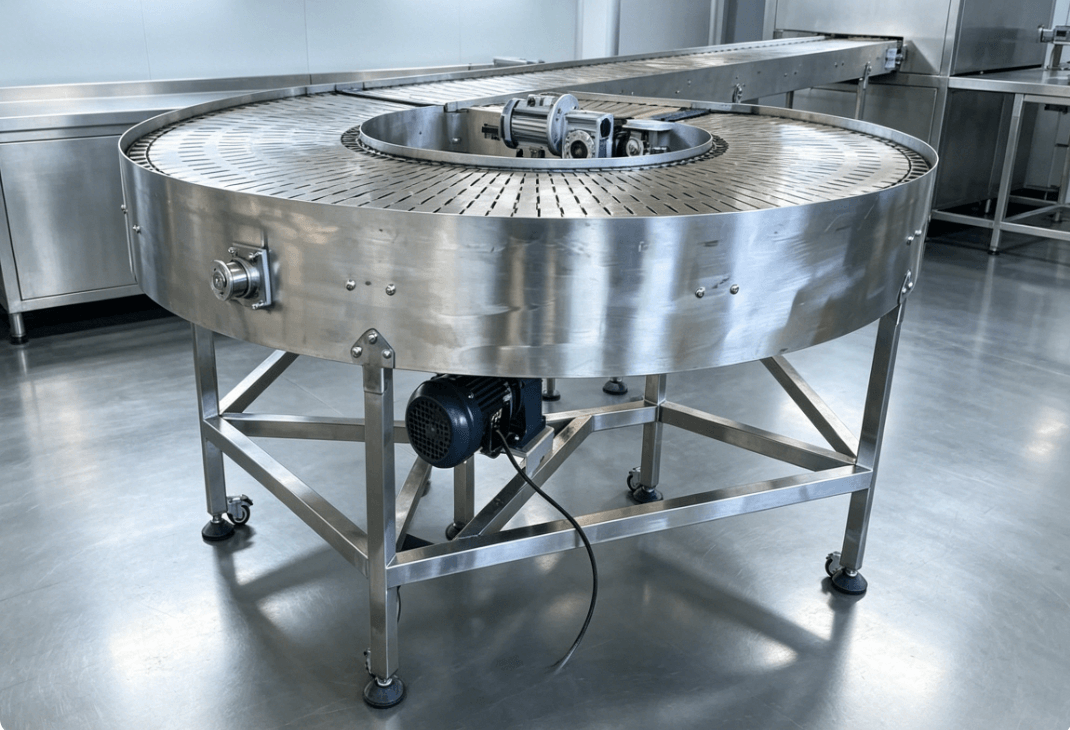
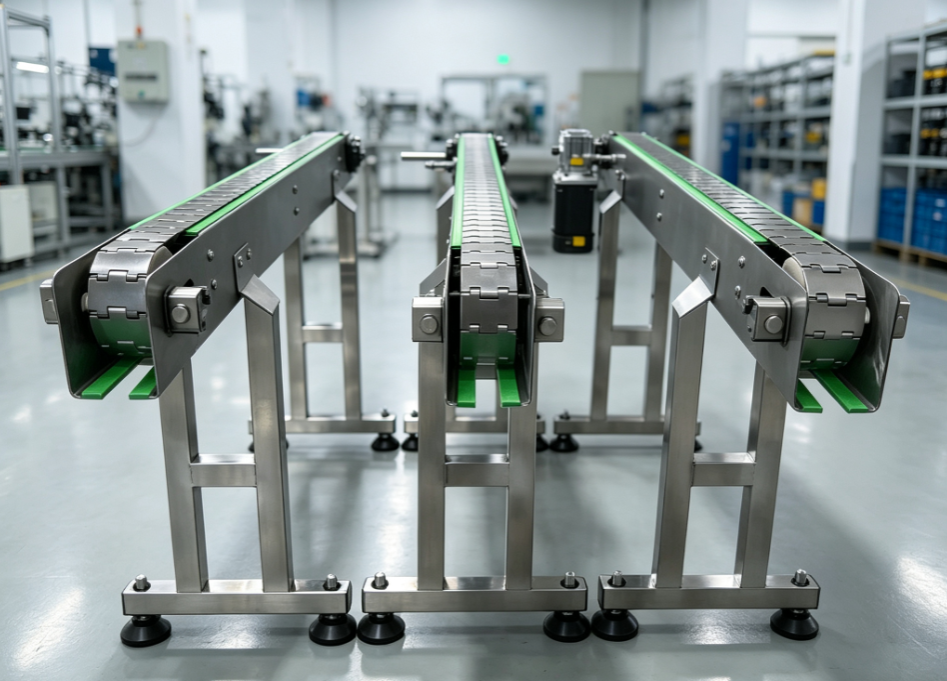
When sourcing for these complex routing systems, partnering with a targeted manufacturer streamlines the integration process. Manufacturers that focus heavily on layout-specific automation typically run production lines emphasizing turning machines, including metal chain plate and plastic mesh belt curve conveyors. These specific builds are highly critical for continuous bottling and canning production lines.
Working directly with a factory that produces the structural turning components alongside elevators, flat-top chains, and metal mesh belts ensures that all drive sprockets and tracking mechanisms are perfectly synchronized. This consolidated approach reduces assembly friction and eliminates the risk of component mismatch during site installation.

Frequently Asked Questions
What details must be included in a technical RFQ for a conveyor belt?
To receive an accurate quotation, your RFQ must specify the overall length, effective width, operating environment (temperature and chemical exposure), maximum load per square meter, conveying speed, and whether the system requires straight or curved routing.
How do suppliers handle MOQ for specialized metal chain plates?
Minimum Order Quantities (MOQ) depend heavily on tooling and raw material sourcing. Standard stainless steel chain plates often have low MOQs because factories keep raw materials in stock. However, custom pitches, unique side guards, or non-standard alloys will trigger higher MOQs to offset custom tooling and setup costs.
What is a standard lead time for custom material handling systems?
Standard replacement belts or stock modular chains typically ship within a few weeks. For fully custom engineered conveying systems, including curved turning machines or spiral towers, lead times usually range from a month to over six weeks, allowing time for CAD approval, structural fabrication, and dynamic load testing prior to shipment.
How can I verify a manufacturer’s claims about load capacity?
Always request material data sheets (MDS) and factory testing reports. Reliable manufacturers will provide breaking strength data, maximum working tension metrics, and recommended drive sprocket configurations to back up their load capacity guarantees.
Reference Sources
- CEMA (Conveyor Equipment Manufacturers Association) – Standard engineering guidelines for belt conveyors and material handling equipment.
- ISO 9001:2015 – International standards for quality management systems in industrial manufacturing.
- FDA CFR Title 21 (Part 177) – Safety regulations for indirect food additives and polymers used in conveying food products.
- ASTM D378-10 – Standard test methods for evaluating the mechanical properties of rubber and plastic conveyor belting.