Choosing the Right Beverage Conveyor System Belt

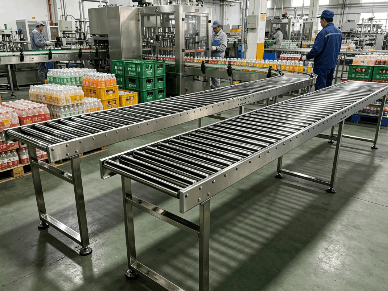
Modern production facilities rely on high-speed automation to meet the global thirst for bottled goods. At the heart of these facilities, the beverage conveyor system serves as the primary transport mechanism. Selecting the correct belt is a technical decision that impacts throughput and product safety.
A poorly chosen belt can lead to unstable container handling or increased maintenance costs. Engineers must evaluate material properties, friction levels, and thermal resistance during the design phase. This ensures the production line remains consistent under heavy 2026 operational demands.
Every container type presents unique challenges for the conveyor surface. Glass, plastic, and aluminum all interact differently with the moving belt modules. This guide explores the critical factors for choosing the right belt to optimize your beverage facility.
How to Match Belt Materials with Beverage Packaging Types?
Matching the belt material to the packaging is the first step in system optimization. Glass bottles are heavy and require a belt with significant impact resistance and durability. Stainless steel or high-strength acetal belts are typically chosen for heavy glass loads.
PET plastic bottles are lightweight but often unstable due to their high center of gravity. These containers require a very flat surface to prevent tipping during high-speed movement. Small-pitch modular plastic belts provide the smoothest surface for PET bottling lines in 2026.
Aluminum cans are sensitive to surface scratching and require gentle handling. Polypropylene belts are often preferred for canning because they offer excellent chemical resistance. A polypropylene belt can typically withstand the acidic cleaning agents used in modern breweries.
Handling Glass Bottle Stability
Glass handling requires a belt that can manage high friction and potential breakage. If a bottle breaks, the belt must allow shards to fall through safely. Open-top modular belts are often utilized to facilitate debris removal and drainage.
Managing PET Plastic Expansion
PET containers are often filled at specific temperatures that may affect the belt. Plastic belts expand and contract based on the ambient and product temperatures. Engineers must account for thermal expansion to prevent belt buckling on long conveyor runs.
Protecting Aluminum Can Integrity
Aluminum cans are prone to marking if the conveyor surface is too abrasive. Low-friction materials help the cans glide without damaging the external printing or coatings. Maintaining the aesthetic quality of the can is vital for consumer brand perception.
Key Performance Indicators for an Effective Beverage Conveyor System
Efficiency in a beverage conveyor system is measured through specific performance metrics. In 2026, the target for most high-speed lines is at least 98% planned uptime. Reducing friction is the primary method for decreasing energy consumption and mechanical wear.
Noise levels are also a critical KPI for modern workplace safety regulations. Plastic modular belts operate significantly quieter than traditional metal chain systems. Keeping noise levels below 80 decibels protects workers and meets international safety standards.
| Metric Category | Target Performance | Operational Impact |
| Line Throughput | 500 – 1,500 BPM | Increases total daily output capacity |
| Surface Friction | < 0.20 Coefficient | Reduces bottle pressure and tipping |
| Belt Life Expectancy | 5 – 8 Years | Lowers the total cost of ownership |
| Cleaning Time | < 60 Minutes | Maximizes production window per shift |
Throughput speed is dictated by the belt’s ability to handle rapid acceleration and deceleration. If the belt slips, the synchronization with the filler or capper is lost. High-torque sprockets ensure that the belt remains perfectly timed with the rest of the line.
Maintenance frequency is another vital indicator of a successful conveyor installation. Modular belts allow for the replacement of small sections rather than the entire length. This modularity can reduce emergency repair time by up to 70% in 2026 facilities.
Energy efficiency is becoming a major focus for beverage manufacturers globally. Low-friction materials reduce the load on drive motors, leading to lower electricity bills. Optimizing the motor-to-belt ratio is essential for sustainable manufacturing practices.
Technical Specifications for High-Speed Conveying in 2026
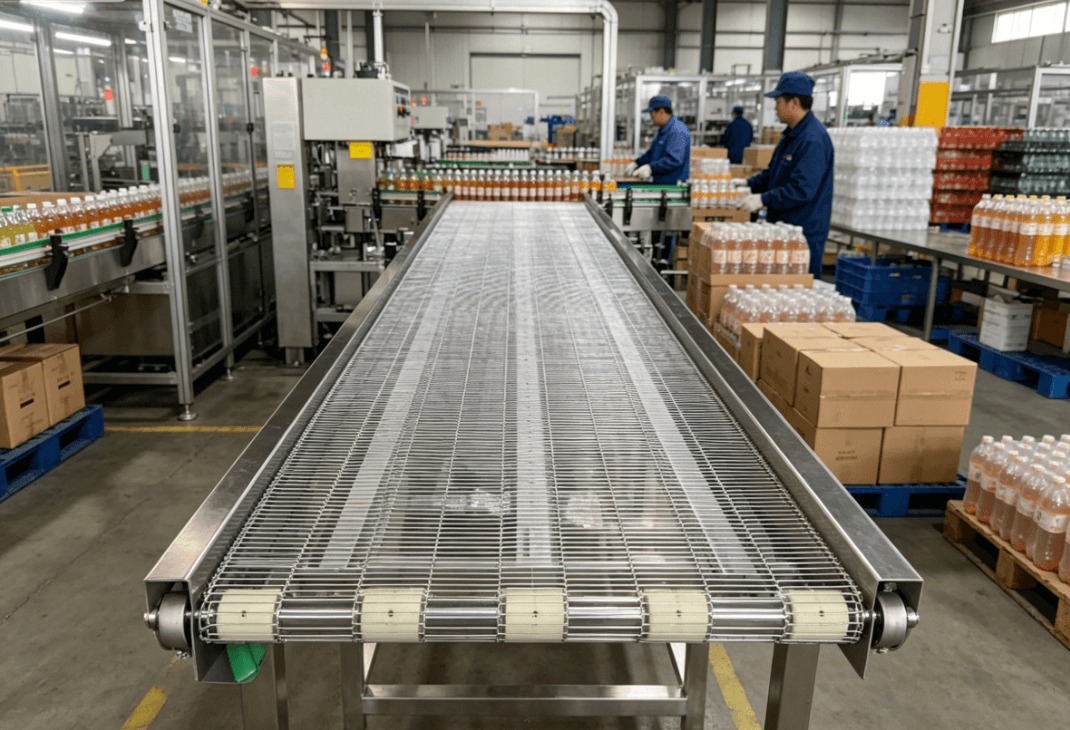
The pitch of a belt determines how smoothly it moves around the sprockets. A smaller pitch reduces the “chordal effect,” which is the vertical movement of the belt. Small-pitch belts are essential for transferring small or unstable beverage containers.
| Technical Feature | Specification Range | Best Application |
| Belt Pitch | 12.7mm to 25.4mm | High-speed transfers and stability |
| Open Area % | 0% to 40% | Drainage and air cooling requirements |
| Tensile Strength | 15,000 – 40,000 N/m | Heavy-duty glass or full-crate transport |
| Working Temp | -40°C to +100°C | Pasteurizers and cold-fill environments |
Sprocket engagement is the mechanical interface that drives the entire system. In 2026, many sprockets feature a “tracking” design to keep the belt centered. Proper tracking prevents the belt from rubbing against the side frames and fraying.
Load capacity calculations must include the weight of the product and the belt itself. Overloading a conveyor leads to premature stretching and potential drive failure. Using a safety factor of 1.5 is standard for most beverage engineering projects.
Drive motor placement also influences how the belt performs under tension. End-drives are the most common but center-drives are used for long, reversible lines. Choosing the right drive location ensures consistent tension across the entire conveyor length.
Ensuring Hygiene and Compliance in Beverage Conveying
Food safety remains the most important factor in beverage production engineering. Every part of the beverage conveyor system must be easy to sanitize. Materials like food-grade acetal and stainless steel are required for compliance in 2026.
Bacteria can grow in the small crevices of a conveyor if it is not cleaned. Modern belts feature “open-hinge” designs that allow water to reach every surface. These hygienic designs reduce the risk of product contamination and regulatory fines.
Drainage is another essential component of a hygienic conveyor design. Spilled liquids must be channeled away from the production floor immediately. Conveyors with sloped frames prevent water from pooling and harboring microbial growth.
Washdown Compatibility
The belt must resist the harsh chemicals used during the daily washdown process. Chlorine-based cleaners can degrade certain types of plastics over time. Selecting chemically resistant polymers ensures the belt does not become brittle or crack.
Biofilm Prevention
Biofilms are a major concern in facilities that handle sugary beverages or dairy. A smooth belt surface prevents sugar residues from sticking and forming a film. Regular high-pressure cleaning is necessary to maintain a sterile production environment.
FDA and EU Regulations
In 2026, all conveyor components must meet updated FDA and EU food contact standards. This ensures that no harmful chemicals migrate from the belt into the beverage. Always verify the certification of your belt materials before installation.
How to Determine if a System is Suitable for Your Facility?
Determining the suitability of a conveyor involves analyzing your specific floor plan and goals. If your production line requires a long, linear path, a straight conveyor is usually the best choice. A well-designed straight conveyor provides the stability needed for high-velocity filling operations.
You should evaluate the ease of integration with your existing automated machinery. A modular design allows you to adjust the length or width of the line as your business grows. When looking for reliable components, you might consider browsing specialized straight conveyor solutions to see modern engineering standards.
The total cost of ownership should guide your final purchasing decision. While a cheaper belt might save money today, it may fail more frequently. Investing in a high-quality system reduces long-term labor costs and production downtime.
Summary
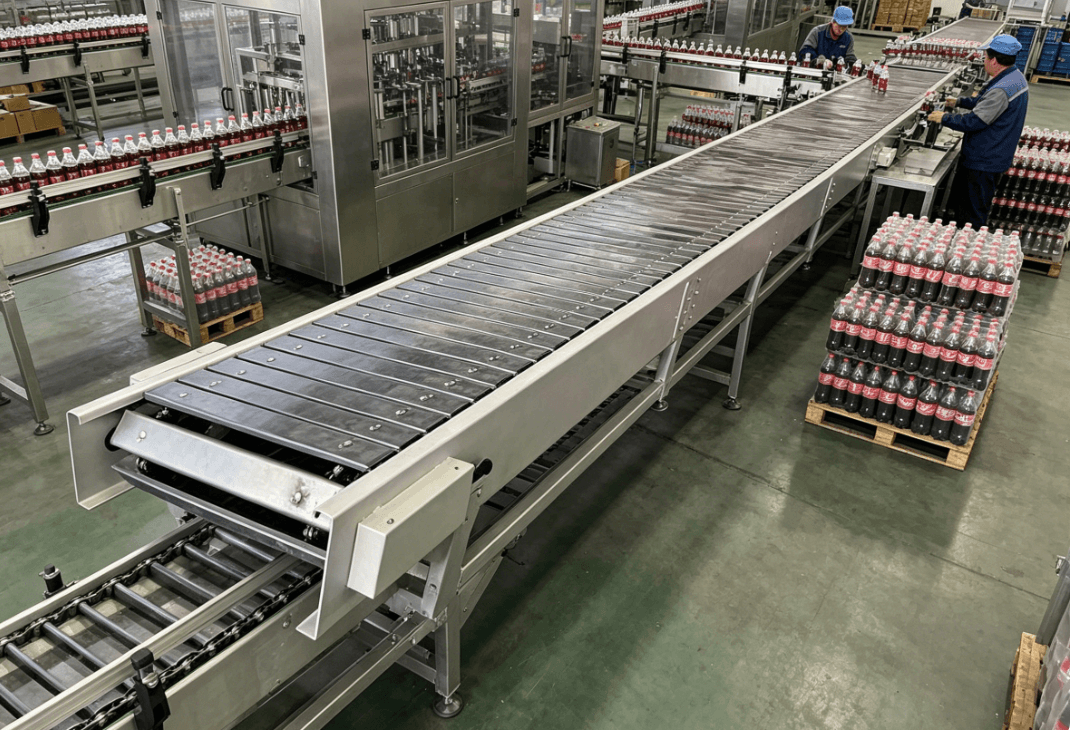
In 2026, choosing the right beverage conveyor system belt requires a balance of material science and mechanical engineering. Facilities must prioritize container stability, hygiene compliance, and high-speed efficiency to remain competitive. By selecting a belt that matches your specific packaging and operational needs, you ensure a reliable and profitable production line.
FAQ
1. What is the most durable belt material for beverage production?
Acetal (POM) is typically the most durable plastic material for high-speed beverage lines. It offers high tensile strength and a low coefficient of friction, which is ideal for 2026 standards. This material resists wear from constant container contact and heavy loads.
2. How can I prevent bottles from tipping on the conveyor?
Preventing tips requires using a small-pitch modular belt and ensuring smooth transitions between sections. A small pitch reduces the gap at the sprocket where containers are most unstable. Maintaining proper belt tension also prevents the “surging” movement that knocks bottles over.
3. Why are blue belts common in the beverage industry?
Blue is used as a “detectable” color because it does not occur naturally in most beverage products. If a piece of the belt breaks off, it is easily identified by manual inspection or vision systems. This contrast is a key part of modern 2026 food safety protocols.
4. Can one conveyor system handle different bottle sizes?
Yes, most modern systems are designed with adjustable guide rails to accommodate various diameters. However, the belt itself must be wide enough for the largest container and stable enough for the smallest. Modular systems are the most flexible choice for multi-product lines.
5. What is the benefit of a dry-running conveyor system?
Dry-running systems eliminate the need for water-based lubricants, which reduces water waste and floor hazards. Specialized low-friction belt materials allow the line to run efficiently without added liquids. This approach is becoming more popular in 2026 to improve facility sustainability.
Reference Sources
PMMI The Association for Packaging and Processing Technologies
European Hygienic Engineering & Design Group