Modular Conveyor System Benefits: Enhancing Factory Efficiency

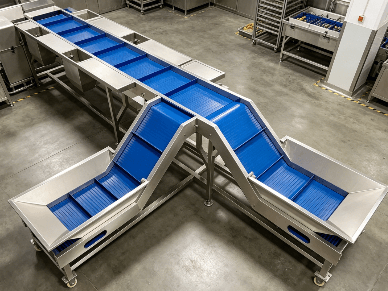
The landscape of industrial material handling has shifted significantly from permanent, rigid structures toward adaptable, component-based engineering. For plant managers and project engineers, the transition to modular conveyor systems represents a strategic move to eliminate common bottlenecks associated with traditional belt conveyors.
Modular systems utilize interlocking plastic links or segments rather than a continuous loop of fabric or rubber. This fundamental design difference alters how a production line handles tension, tracking, and hygiene. Understanding the advantages of this technology is essential for any facility looking to optimize throughput while minimizing total cost of ownership.
Engineering the Foundation: What Defines a Modular Conveyor?
A modular conveyor system is characterized by its belt construction—composed of individual plastic modules joined by hinge pins. Unlike traditional flat belts that rely on friction and high tension to move, modular belts are positively driven by sprockets.
This mechanical engagement ensures that the belt remains perfectly aligned. It eliminates the “tracking” issues that frequently plague traditional systems, where belts drift to one side, causing edge damage or product spillage. By using materials like Polypropylene (PP), Polyethylene (PE), or Acetal (POM), these systems can be engineered for specific environments, ranging from sub-zero freezers to high-temperature industrial ovens.
Key Modular Conveyor System Benefits for Operational Efficiency
The primary driver for adopting modular technology is the drastic reduction in “Mean Time to Repair” (MTTR). In a traditional setup, a single tear in a belt often requires a full replacement, involving hours of disassembly and specialized vulcanizing equipment.
1. Rapid Component Replacement
With a modular design, damage is usually localized to a few links. An operator can simply pop out the damaged segment and click a new one into place. This process typically takes minutes rather than hours. It ensures that a minor mechanical failure does not translate into a full shift of lost production.
2. Eliminated Tracking and Slippage
Because modular belts are driven by sprockets, they do not slip under heavy loads or in wet conditions. Traditional friction-drive belts require constant tensioning adjustments. Modular systems remain stable, which is critical for precision applications like high-speed sorting or feeding into packaging machinery.
3. Superior Durability and Load Capacity
Modular belts are inherently robust. They resist cuts from sharp metal parts and are far less susceptible to chemical degradation than standard rubber belts. For industries handling heavy payloads or abrasive materials, the rigid structure of the links provides the necessary support to prevent belt sagging or stretching over long spans.
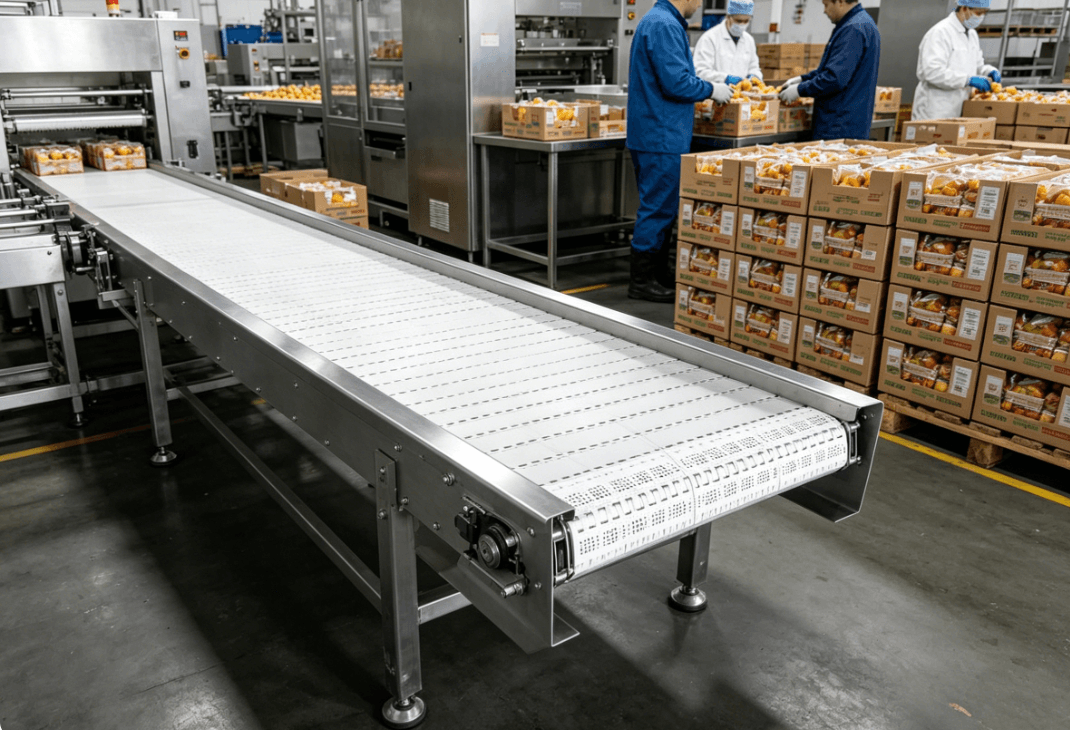
Comparison: Modular Plastic Belting vs. Traditional Fabric Belts
To understand the technical trade-offs, engineers often compare the physical properties and maintenance requirements of these two primary conveyor types.
| Feature | Modular Plastic Conveyors | Traditional Fabric/PVC Belts |
| Drive Mechanism | Positive Sprocket Drive | Friction Pulley |
| Maintenance | Link-by-link replacement | Full belt replacement/Splicing |
| Tracking | Self-tracking | Requires frequent adjustment |
| Hygiene/Cleaning | High (Washdown capable) | Moderate (Porous edges) |
| Initial Cost | Higher | Lower |
| Long-term ROI | Higher (Reduced downtime) | Lower (Higher labor costs) |
Material Specifics and Industrial Adaptability
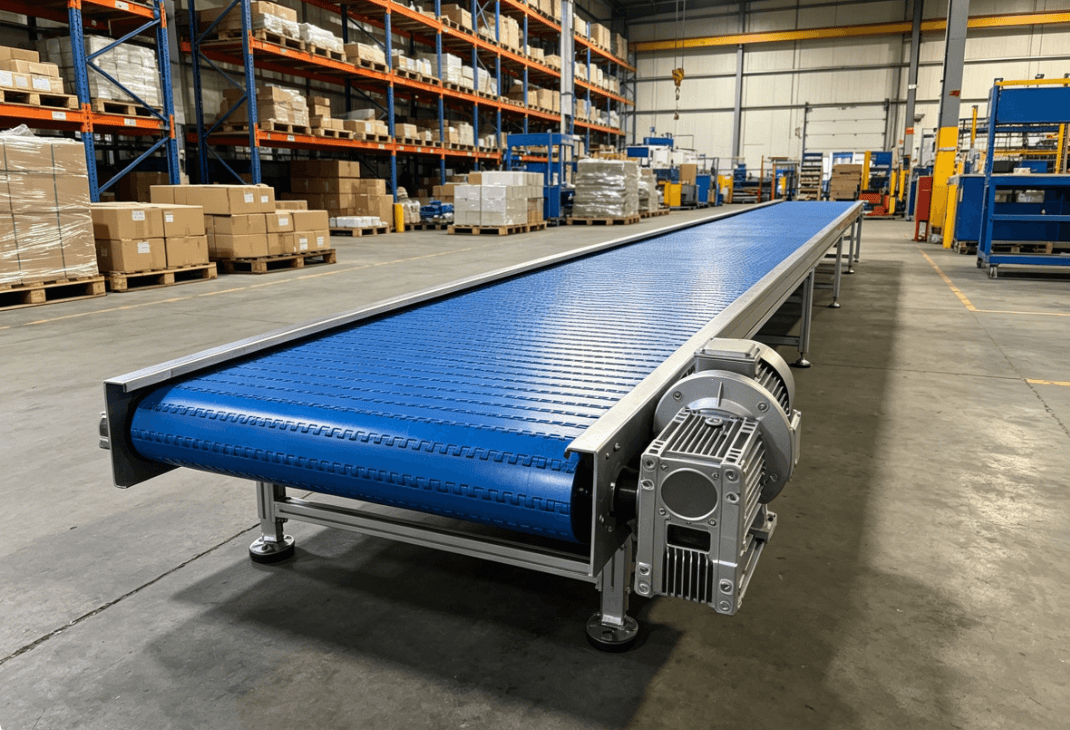
The choice of module material is dictated by the specific manufacturing environment. Modern systems, such as the straight conveyor solutions offered by LEYU, often utilize aluminum or stainless steel frames to complement the modular belt’s strengths.
- Food & Beverage: Modular belts with open-grid patterns allow for air circulation and drainage. This makes them ideal for cooling lines or washdown areas where bacteria accumulation must be prevented.
- Pharmaceuticals: Acetal modules provide low-friction surfaces, ensuring that small vials or delicate packaging move smoothly without tipping or scuffing.
- Automotive and Heavy Parts: Reinforced modules can handle high impact and oil exposure, which would quickly delaminate a standard PVC belt.
Future-Proofing Through Scalability and Configuration
One of the most overlooked modular conveyor system benefits is the ability to reconfigure the line. In a dynamic manufacturing environment, product dimensions and floor layouts change frequently.
Modular frames are often designed with “T-slots” or standardized mounting points. This allows for the easy addition of side guides, sensors, or diverted lanes without welding or heavy machining. If a production line needs to be extended, engineers can simply add frame sections and additional belt links. This scalability protects the initial investment, as the equipment evolves alongside the business needs.
Environmental and Safety Considerations
Safety is a critical metric in modern facility management. Modular belts generally operate with lower noise levels compared to heavy chain conveyors. Additionally, because the belt is driven by sprockets at specific points, the “pinch points” often found in high-tension pulley systems are significantly reduced.
From a sustainability perspective, the longevity of plastic modules reduces waste. Instead of discarding a 50-foot rubber belt due to a 2-inch tear, only the damaged grams of plastic are replaced and potentially recycled. This aligns with modern corporate goals regarding reduced industrial waste.
Selecting the Right Configuration for Your Flow
When evaluating modular options, the geometry of the “Straight Conveyor” is the most common starting point. These units provide the backbone of most assembly and packaging lines. However, the versatility of the modular link also allows for “Side-Flexing” belts, which can navigate tight curves and inclines within a single continuous run.
For facilities prioritizing stability, a straight modular conveyor with a stainless steel frame offers the highest level of structural integrity. It ensures that the sprocket engagement remains precise over years of 24/7 operation, even in high-vibration environments.
FAQ
What is the lifespan of a modular conveyor belt compared to a standard belt?
Under similar operating conditions, a modular plastic belt typically lasts 3 to 5 times longer than a traditional fabric or PVC belt. This is due to the lack of tension-related fatigue and the ability to replace individual worn segments.
Are modular conveyors suitable for high-speed applications?
Yes. While they were historically slower than flat belts, modern sprocket designs and low-friction materials allow modular systems to operate at speeds exceeding 60-80 meters per minute, depending on the product weight and belt pitch.
How do modular conveyors handle washdown environments?
They excel in washdown scenarios. Most modules are made from non-porous plastics that do not absorb water or chemicals. The open-hinge design allows cleaning agents to penetrate through the belt, ensuring that both the top and bottom surfaces are sanitized.
Can I integrate sensors and automation into a modular system?
Absolutely. The standardized frames of modular systems are designed for easy integration with photo-eyes, proximity sensors, and pneumatic stoppers, making them a preferred choice for automated “Industry 4.0” factories.
Do modular belts require lubrication?
Most modular plastic belts are designed to run dry, especially those using Acetal (POM) links. This eliminates the risk of product contamination from oils or greases, which is vital in pharmaceutical and food packaging.
Reference Sources
- ISO 2110: Conveyor belts — Footprint and mechanical requirements for lightweight conveyor belts.
- FDA CFR 21: Guidelines for food-grade plastic materials used in manufacturing equipment.
- OSHA 1910.212: General requirements for all machines (Covers guarding and conveyor safety).
- CEMA (Conveyor Equipment Manufacturers Association): Technical standards for belt conveyors and material handling.