Mesh Belt Conveyor Guide: Structure, Benefits & Applications

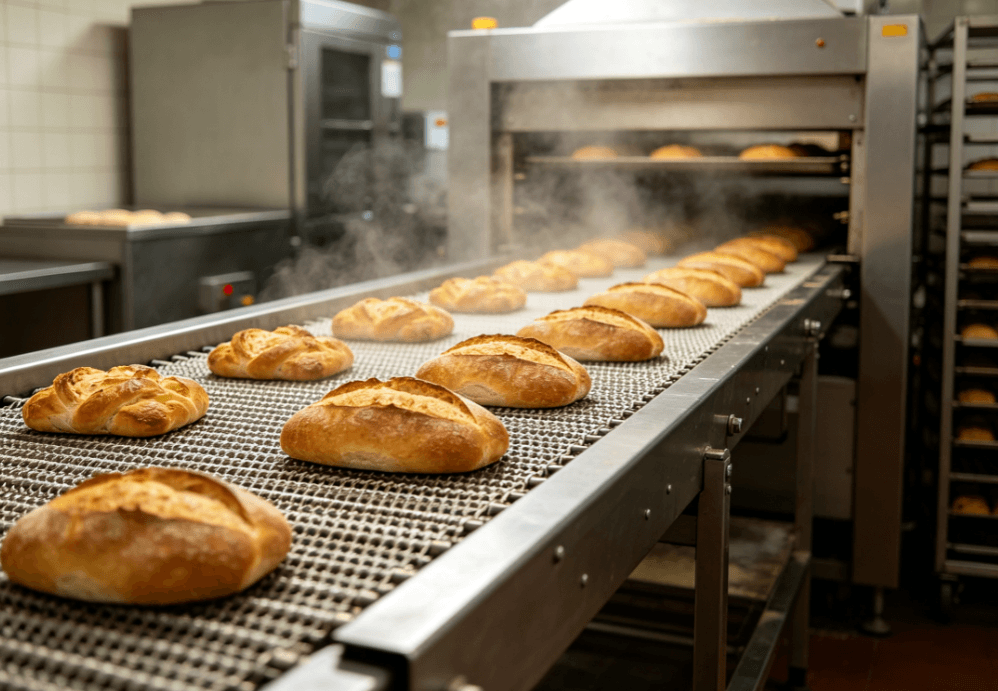
The evolution of automated material handling has seen the mesh belt conveyor emerge as a critical component in specialized manufacturing environments. Unlike standard flat-belt systems, mesh belts offer unique permeability and thermal properties that are indispensable in food processing, heat treating, and chemical industries.
Understanding the technical nuances of these systems is essential for engineers and project managers looking to optimize production flow. This guide examines the fundamental engineering principles, material science, and operational advantages of mesh belt technology.
What is a Mesh Belt Conveyor?
A mesh belt conveyor is a mechanical handling system utilizing a belt made of interconnected metal or plastic links that form a grid-like pattern. This “open-area” design allows for the free flow of air or liquids around the products being transported.
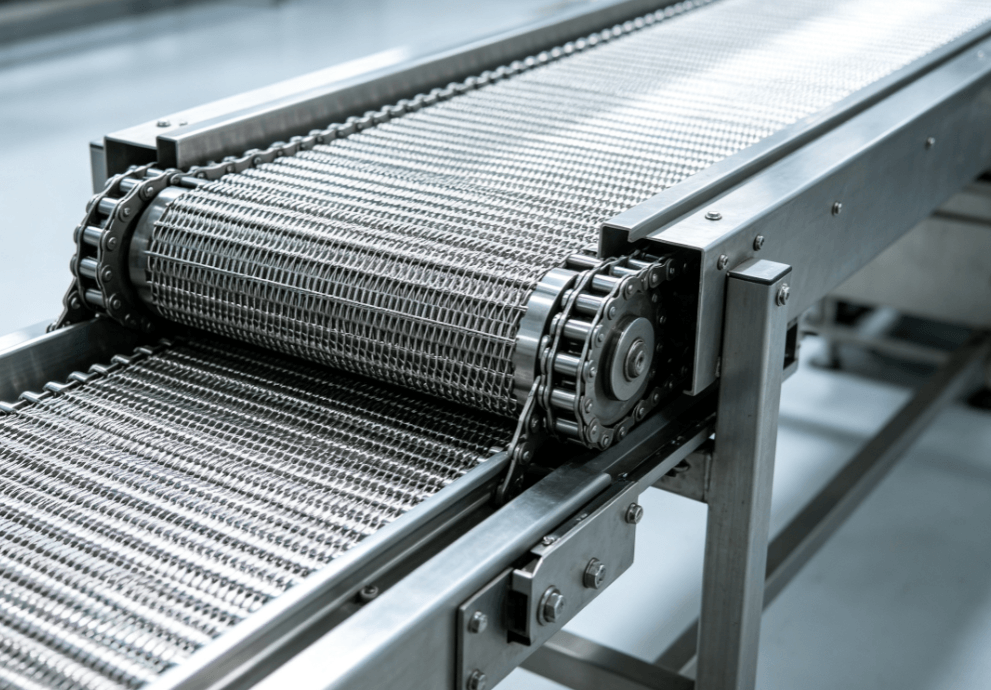
The drive mechanism typically involves sprockets that engage directly with the mesh, ensuring positive tracking and preventing slippage. This design differs significantly from friction-driven fabric belts, making mesh systems more reliable in high-torque or high-speed environments.
Industries prioritize these conveyors when environmental factors—such as extreme temperatures or moisture—preclude the use of standard rubber or PVC belts.
Technical Structure and Component Breakdown
The reliability of a mesh belt conveyor depends on its structural integrity and the synergy of its components. Engineering a system requires balancing load requirements with environmental constraints.
1. The Conveyor Belt (The Mesh)
The belt is the most critical element. Metal mesh belts, often made of stainless steel or carbon steel, are used for high-temperature applications. Plastic modular belts are preferred for hygiene-sensitive food environments or chemical washdowns.
2. Drive and Idler Sprockets
Unlike rollers, sprockets provide a positive drive. This eliminates the need for high belt tension, which reduces the mechanical stress on bearings and motors.
3. Support Frame and Side Rails
Frames are typically constructed from extruded aluminum or stainless steel. For high-speed lines, low-friction wear strips (often UHMW-PE) are installed to minimize belt wear and energy consumption.
4. Tensioning and Tracking Systems
While mesh belts track more accurately than flat belts, automatic tensioners are often integrated. These components compensate for thermal expansion, which is frequent in drying or cooling tunnels.
Key Benefits of Mesh Belt Systems
The adoption of mesh belt technology is driven by specific performance advantages that traditional conveyors cannot match.
- Thermal Resilience: Stainless steel mesh can withstand temperatures ranging from cryogenic levels to over 1,000°C. This makes them the standard for industrial ovens and blast freezers.
- Permeability: The open-grid design facilitates 360-degree exposure. This is vital for uniform drying, cooling, or drainage of fluids during wash cycles.
- Hygiene and Cleanability: With minimal surface contact and no “pockets” for debris to hide, these belts are easily sanitized. Most designs meet strict FDA and EHEDG standards.
- High Load Stability: The positive-drive system allows for the transport of heavy industrial parts without the risk of belt stretching or tracking errors.
Comparison: Metal Mesh vs. Plastic Modular Belts
Choosing the right material is a primary engineering decision. The table below outlines the performance trade-offs.
| Feature | Metal Mesh (Stainless/Carbon) | Plastic Modular (PP/PE/POM) |
| Temperature Range | -50°C to +1100°C | -70°C to +150°C |
| Chemical Resistance | Excellent (Acid/Alkali resistant) | Varies by polymer type |
| Impact Resistance | High | Medium to High |
| Food Safety | Excellent (Non-porous) | Excellent (FDA compliant) |
| Primary Use Case | Heat treating, Heavy parts | Food packaging, Bottling |
Diverse Industrial Applications
Mesh belt conveyors are versatile tools across several high-stakes sectors. Their ability to handle “process-while-moving” tasks makes them a favorite for integrated automation.
Food and Beverage Processing
In large-scale bakeries, mesh belts allow heat to circulate around dough for even baking. In produce processing, they facilitate the drainage of wash water, preventing bacterial growth.
Automotive and Metalworking
Parts undergoing heat treatment or quenching require the durability of steel mesh. These systems can carry heavy metal components through oil baths or high-heat furnaces without structural failure.
Packaging and Shrink Wrapping
Mesh belts are frequently used in shrink tunnels. The open area allows hot air to reach all sides of the packaging film, ensuring a uniform seal and professional finish.
Electronics and Cleanrooms
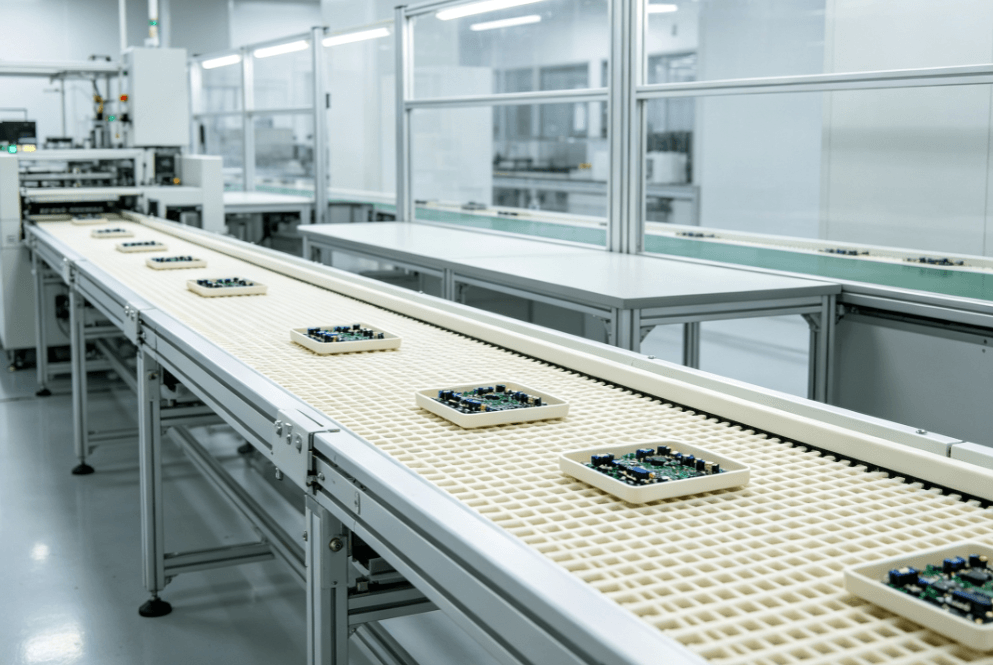
Anti-static plastic mesh belts are used to transport sensitive components. Their open design prevents dust accumulation, which is a critical requirement in ISO-certified cleanroom environments.
Engineering Selection Criteria
When evaluating a mesh belt system, engineers must look beyond simple dimensions. Several technical variables dictate the longevity of the equipment.
First, the open area percentage must be calculated. A higher open area improves airflow but may reduce the structural weight capacity of the belt.
Second, the pitch of the belt—the distance between the centers of the links—must match the sprocket design. Misalignment here leads to rapid wear and catastrophic failure.
Finally, environmental factors like corrosion potential must be addressed. In coastal regions or chemical plants, 316-grade stainless steel is often required over the standard 304-grade to prevent pitting.
Leading manufacturers, such as Leyu Conveyor, emphasize the importance of matching belt weave patterns to the specific product geometry to prevent snagging or tipping during high-speed transfers.
Summary of Integration Logic
Integrating a mesh belt conveyor into a production line requires a holistic view of the manufacturing process. It is not merely a transport tool but an active participant in the thermal or chemical processing of the product. By selecting the correct material, weave, and drive system, facilities can significantly reduce downtime and improve product consistency.
FAQ
Q1: How do I determine if I need a metal or plastic mesh belt?
The primary deciding factor is temperature. If your process exceeds 150°C, metal is mandatory. For washdown environments with high acidity, certain plastics may offer better corrosion resistance than standard steel.
Q2: Can mesh belt conveyors handle small parts?
Yes, but the weave density must be specified. Balanced weave belts can be engineered with very small apertures to carry tiny electronic components or seeds without them falling through the mesh.
Q3: Do mesh belts require high maintenance?
Generally, they require less maintenance than friction-drive belts because they do not slip. However, periodic inspection of the drive sprockets and hinge pins is necessary to ensure long-term reliability.
Q4: Are these conveyors suitable for incline transport?
Yes. Mesh belts can be fitted with “flights” or “cleats”—vertical attachments that prevent products from sliding backward on inclines.
Reference Sources
- ISO 2148: International standards for continuous handling equipment and conveyor terminology.
- FDA CFR 21: Guidelines for materials intended for use in food contact surfaces (relevant to plastic modular belts).
- CEMA (Conveyor Equipment Manufacturers Association): Technical safety and design standards for unit handling conveyors.
- European Hygienic Engineering & Design Group (EHEDG): Guidelines for the hygienic design of equipment for the food industry.