Flat Top Chain Conveyor Applications in Manufacturing

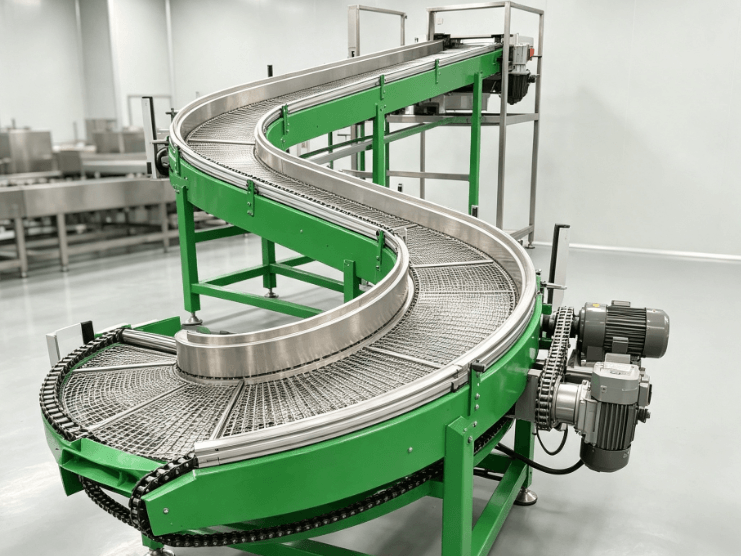
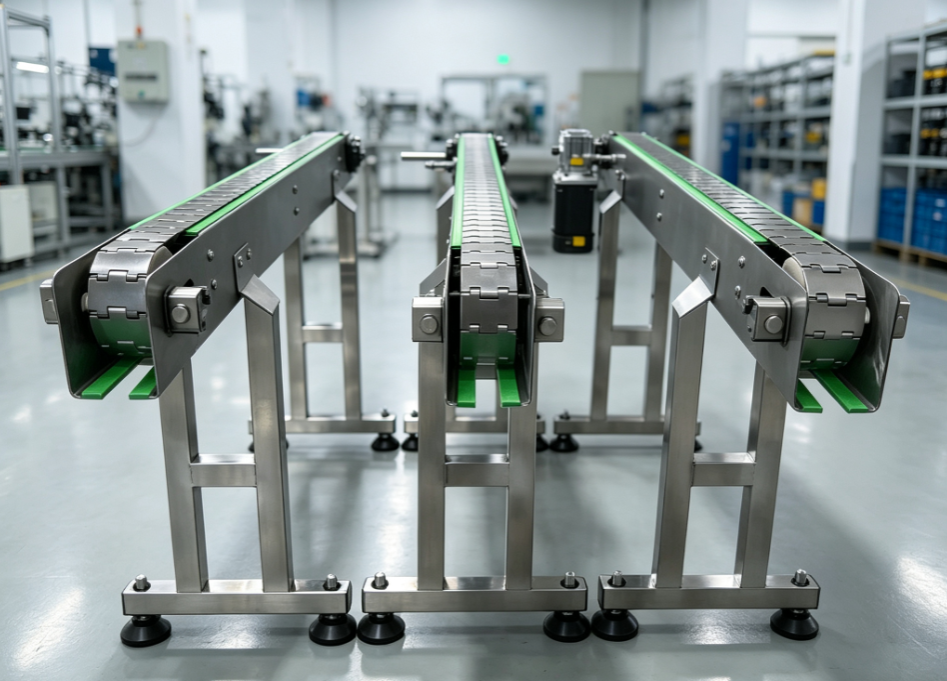
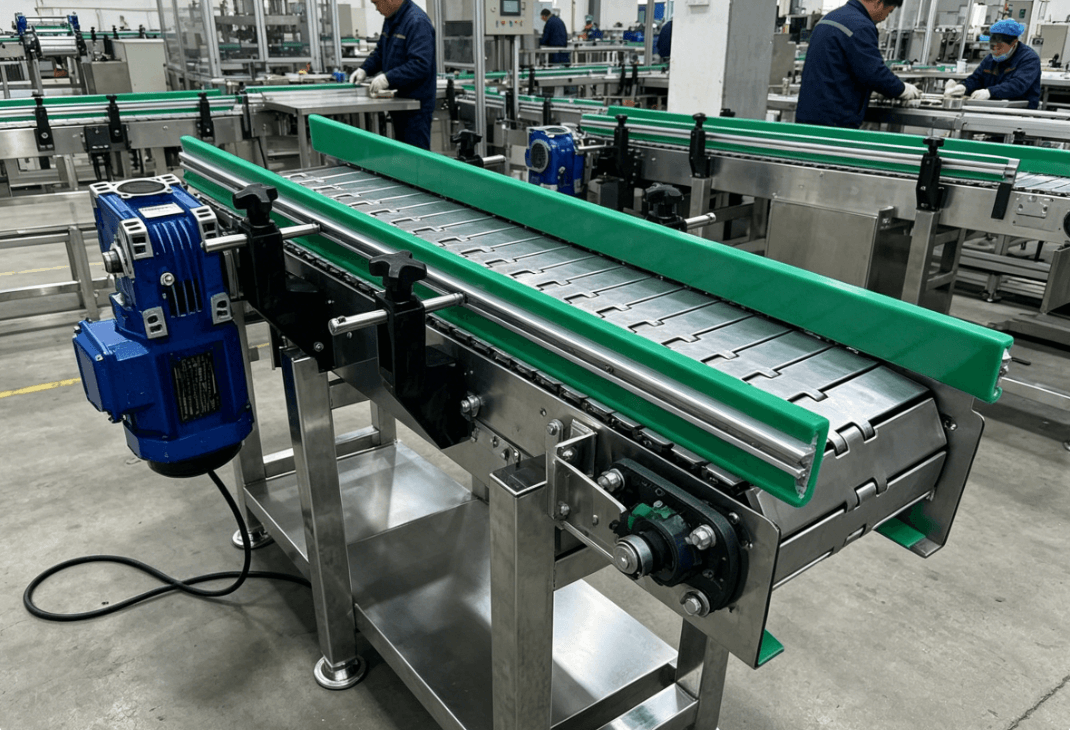
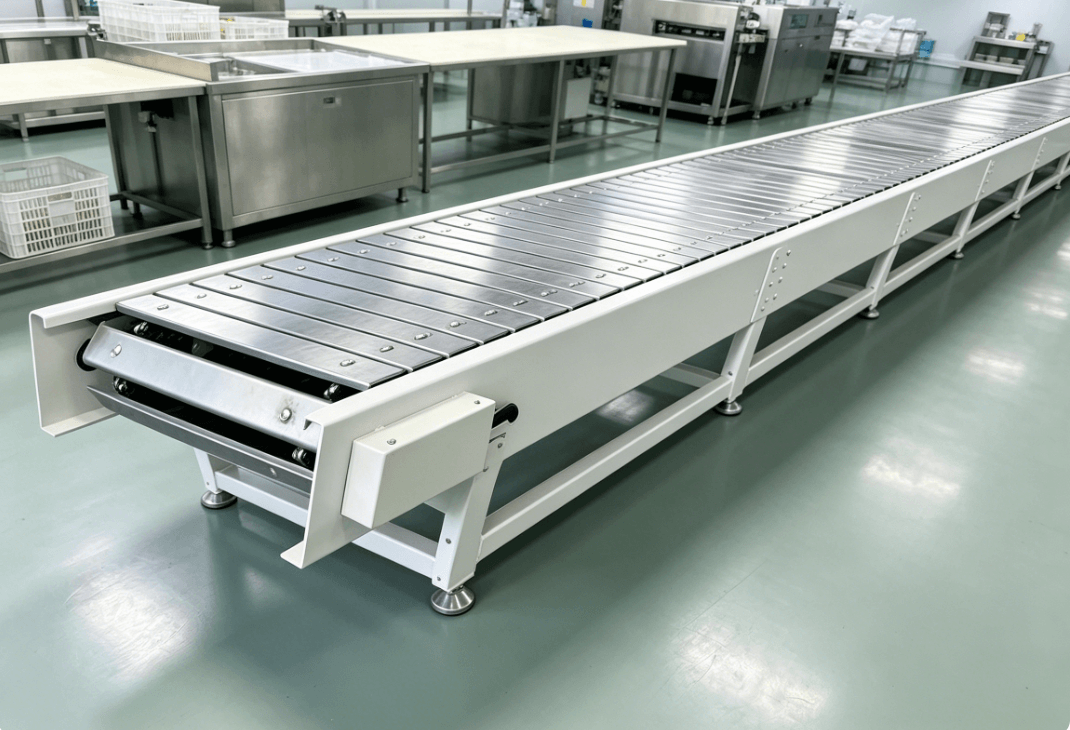
Flat Top Chain Conveyor Applications decisions are rarely resolved by a catalogue label alone. Buyers normally need to connect the conveyed product, operating envelope, plant layout, sanitation expectation, controls, safety, and maintenance approach before they can compare proposals on a like-for-like basis. For informational planning, the useful outcome is a structured view of the variables that should be validated before a purchasing specification is issued. This guide provides a structured way to frame that conversation without assuming that any supplier configuration is automatically right for a particular facility.

Start with the operating duty, not the product name
The first step is to write the duty in observable terms. Define what moves through the line, the unit weight and dimensions, orientation, contact surface, desired throughput, speed changes, accumulation, and every transfer into or out of the section. Then document the environment: dry or wet operation, cleaning chemicals, temperature, airborne debris, available utilities, space around the equipment, and the access needed for operators and maintainers. These inputs turn a broad search for flat top chain conveyor applications into a project brief that can be reviewed by operations, engineering, quality, and procurement.
Where a layout includes multiple modules, interface data matters as much as the main conveyor. Record elevations, centre lines, gap tolerances, product spacing, infeed and discharge conditions, controls handshakes, and what happens when upstream or downstream equipment stops. A preliminary drawing should also identify service-side access, cleaning zones, guarding boundaries, and the location of emergency-stop devices. The goal is not to prescribe a design before engineering review; it is to prevent an RFQ from omitting the facts that drive selection.
Use the supplier page as a starting point, not a project approval
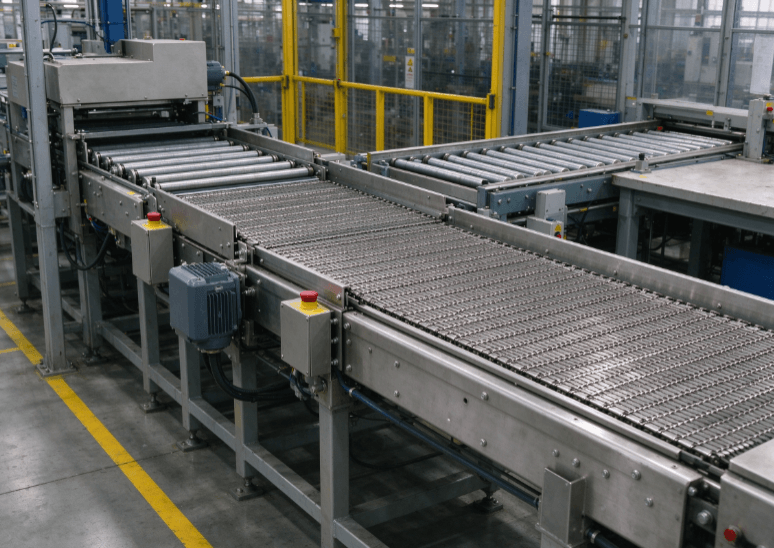
The matched Leyu flat-top chain conveyor page publicly indicates that the page identifies layout, item dimensions and weight, speed, environment, hygiene needs, and site space as selection inputs for flat-top chain conveyor projects. That is a useful starting point for a product-family discussion [1]. It does not independently validate capacity, materials, controls, sanitation performance, certification, delivery timing, price, or suitability for this installation. Those items are RFQ confirmation required and should be tied to the actual product, process, country of installation, and acceptance criteria.
Buyers can use the broader Leyu Conveyor product catalogue to identify related product families and possible interfaces. A practical request should still ask the supplier to identify which elements are standard, which are configurable, which are optional, and which assumptions were used to size the proposal. Request a dimensional outline, a utility list, a preliminary controls boundary, recommended spares, documentation scope, and a transparent list of exclusions. This helps prevent a feature mentioned on a catalogue page from being treated as included in a specific quotation.
Comparison framework for flat top chain conveyor applications
| Decision area | Configuration path A | Configuration path B | Evidence to request |
|---|---|---|---|
| Process fit | Optimised for the primary product and normal operating condition | Optimised for changeover, a different product, or a different operating condition | Product data, sample handling assumptions, and defined acceptance criteria |
| Layout | Uses the shortest practical route | Uses a route that prioritises transfers, access, or future expansion | General arrangement drawing, elevations, clearances, and service-side requirements |
| Operating control | Uses steady conveying and simple coordination | Uses accumulation, variable speed, or coordinated line logic | Control narrative, stop/start logic, and interface responsibilities |
| Maintenance | Prioritises fewer components | Prioritises access to wear parts and planned replacement | Maintenance schedule, spares list, and access drawings |
| Hygiene or environment | Addresses the expected operating environment | Addresses a higher-cleaning, temperature, or exposure requirement | Material details, cleaning procedure assumptions, and compatibility confirmation |
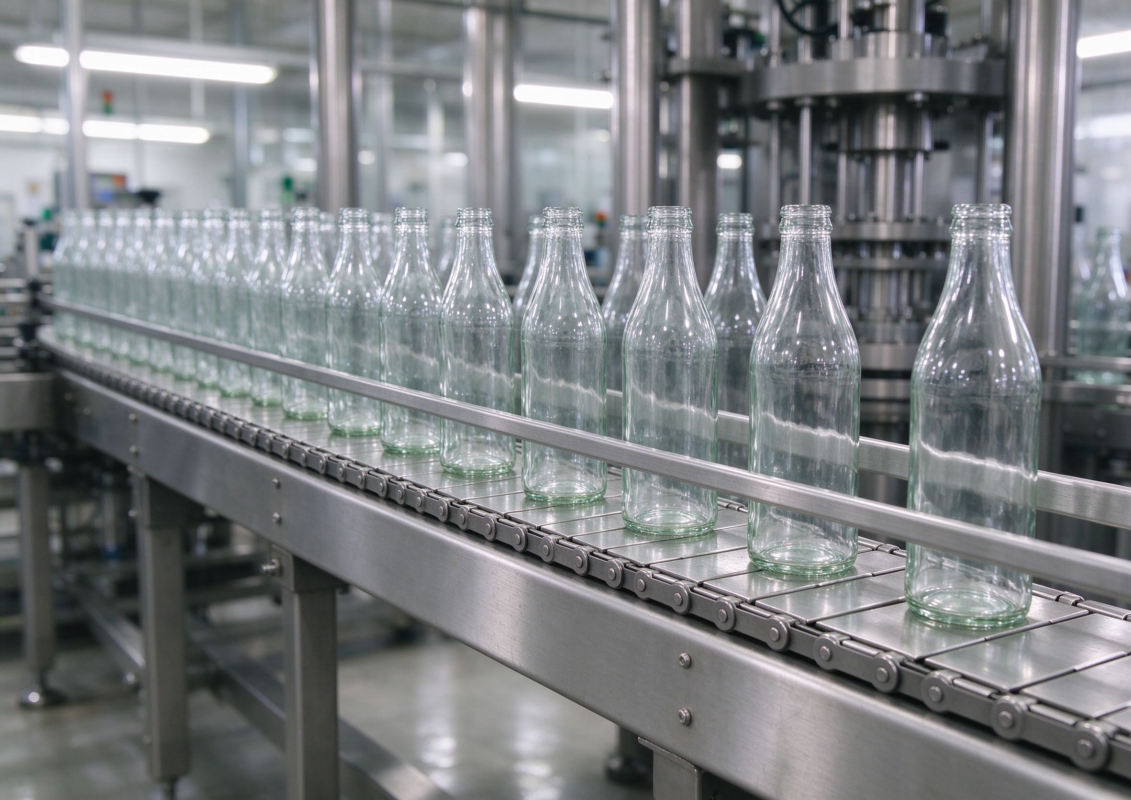
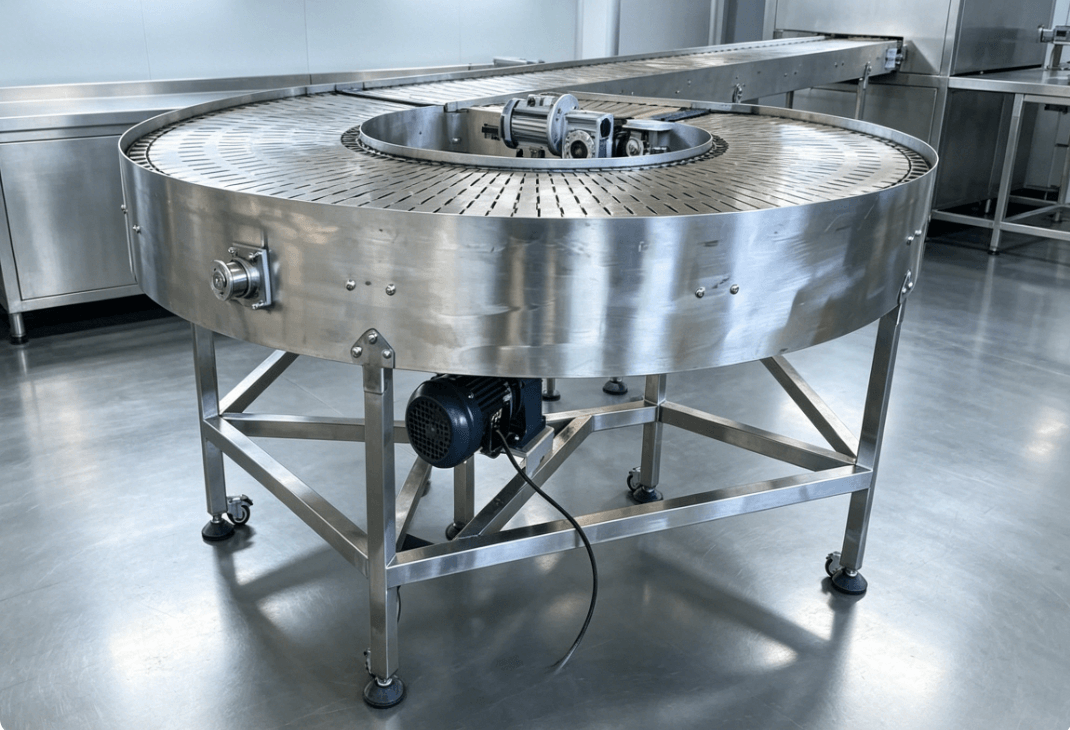
The two columns do not rank alternatives. They make the decision criteria visible. For this keyword, the project team should compare a flat-top chain configuration and another container-handling layout through the factors of container stability, chain-plate surface, transfer points, accumulation behavior, curve geometry, washdown access, and line synchronization. A lower initial price may be outweighed by transfer risk, access limitations, cleaning downtime, or changeover constraints. Conversely, a more complex option should be justified by measured process needs rather than a generic claim of performance.
Safety, sanitation, and maintainability belong in the specification
Conveyor safety cannot be delegated to an article or a product page. OSHA’s conveyor rule identifies general expectations around stopping means, audible pre-start warning, emergency-stop reset, guarding in specified circumstances, and lockout/tagout during hazardous maintenance [3]. OSHA’s power-transmission rule also addresses guarding of exposed belts, pulleys, gears, sprockets, and chains in the conditions it covers [4]. CEMA explains that its safety resources complement a site-specific safety program, risk assessment, safeguarding, training, and operating procedures [5]. The final safeguarding and control arrangement therefore requires a competent, site-specific review.
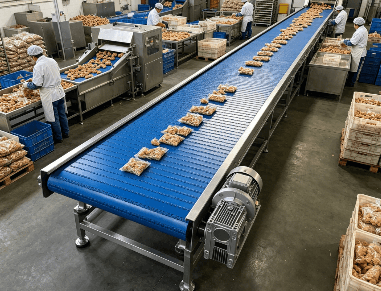
For food-contact or wet-process applications, cleaning needs should be written as a process requirement rather than assumed from a material name. FDA guidance explains that food-contact surfaces of equipment must be cleaned as frequently as necessary to protect against allergen cross-contact and contamination; when cleaning is necessary in wet processing, cleaning and sanitising requirements also apply [2]. If the project involves a voluntary USDA equipment-review programme, exact eligibility and status for the specific equipment must be confirmed rather than inferred [6].
Selection and RFQ checklist
| RFQ item | Why it matters | Required response |
|---|---|---|
| Conveyed product profile | Defines support, stability, and transfer risk | State size range, unit weight, orientation, and product-contact considerations |
| Required line performance | Connects throughput to controls and accumulation | State nominal and peak rates, run hours, stops, and changeovers |
| Layout and interfaces | Determines fit and transfer design | Provide drawings, elevations, neighbouring equipment, and available footprint |
| Environment and cleaning | Guides material and access decisions | State temperature, moisture, chemical exposure, cleaning method, and hygiene rules |
| Controls and safety | Sets responsibility boundaries | Confirm controls scope, interlocks, emergency stops, guarding, and risk-review process |
| Commercial scope | Prevents hidden assumptions | Request inclusions, exclusions, documentation, commissioning scope, spares, lead time, and warranty terms |
Before issuing the RFQ, resolve any uncertainty that changes the duty. If a choice depends on unit load, temperature, line speed, a particular material grade, washdown regime, or a claimed certification, label it RFQ confirmation required. This protects the buyer from turning a general selection guide into an unsupported design promise.

Frequently asked questions
What information should be sent with a flat top chain conveyor applications enquiry?
Send a product list, throughput requirement, layout drawing, operating environment, utility availability, cleaning and safety constraints, desired controls scope, and a list of acceptance criteria. If any figure is provisional, mark it as provisional so that the supplier can identify the effect on sizing and scope.
Can a catalogue page confirm that a system will fit our plant?
No. A catalogue page can identify a product family and useful selection variables, but fit depends on the specific duty, interfaces, local requirements, and supplier engineering review. Request a project-specific drawing and a written assumptions register before treating a proposal as comparable.
How should buyers compare safety claims?
Ask for a description of guarding boundaries, stopping and restart behaviour, maintenance isolation approach, operator access, and the parties responsible for site risk assessment. Do not rely on generic statements; safety controls should be reviewed against the actual installed line and applicable local requirements.
When should hygiene or food-equipment claims be verified?
Verify them before purchase whenever equipment will contact food, run in a wet area, or be subject to formal sanitation requirements. Confirm materials, surface condition, access, cleaning method, documentation, and any programme-specific status for the exact configuration. RFQ confirmation is required.
Plan the next technical conversation
A sound flat top chain conveyor applications decision is an evidence exercise. Share the completed checklist with the supplier, ask for a configuration tied to stated assumptions, and have the proposal reviewed by operations, engineering, quality, and safety stakeholders. This approach is more useful than selecting on a headline alone and keeps project-specific claims where they belong: in the documented RFQ response.
References