What is a Plastic Chain Plate? Types and Benefits

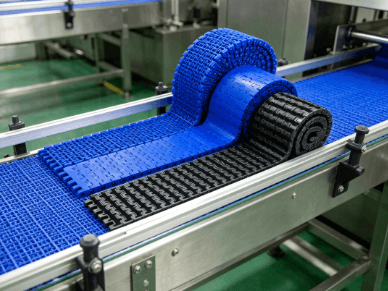
Modern manufacturing relies on the seamless movement of goods across production floors. The plastic chain plate has emerged as a cornerstone of high-speed conveyor technology. These components provide a durable surface for transporting items in various industrial settings. Engineers often choose these plates to replace traditional metal chains or fabric belts. This shift is driven by the need for cleaner and more efficient systems.
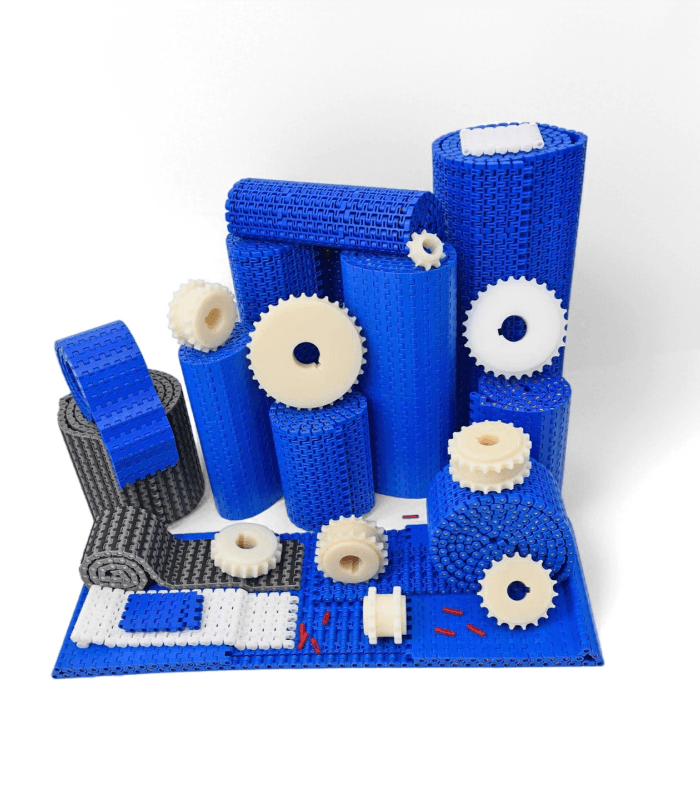
A plastic chain plate consists of injection-molded modules linked by transverse pins. This modular structure allows for incredible flexibility in conveyor design. You can easily adjust the width and length of the chain. This adaptability makes it a favorite for custom automation projects in 2026. The materials used are specifically engineered to withstand mechanical stress.
The adoption of the plastic chain plate has revolutionized the food and beverage sectors. It addresses critical issues like hygiene, noise, and energy consumption. Throughout this article, we will examine the technical specifications of these plates. We will also discuss why they are essential for modern industrial growth. Understanding these parts helps you build more reliable conveyor systems.
What is a Plastic Chain Plate and How Does It Function?
The plastic chain plate functions as the primary load-carrying surface of a conveyor. It operates through a positive drive system involving sprockets. The sprocket teeth mesh with the underside of the plastic modules. This engagement ensures precise tracking and prevents any potential slippage. It is a much more reliable method than friction-driven belt systems.
Modular construction is the defining characteristic of a plastic chain plate. Individual links are joined together to form a continuous loop. If a specific section becomes damaged, you only replace the affected modules. This design drastically reduces the time needed for maintenance. It ensures that production lines remain active for longer periods.
Technical performance depends heavily on the materials used for the plates. Most high-quality plastic chain plate options utilize Polyacetal (POM). POM is known for its high stiffness and low coefficient of friction. In 2026, many facilities use these plates to move heavy loads at high speeds. The material maintains its shape even under continuous operational pressure.
Key Types of Plastic Chain Plates in Modern Industry
Industrial applications require specific designs to handle diverse product types. The plastic chain plate comes in several distinct configurations. Each type addresses a unique challenge in the material handling process. Choosing the right style is vital for system efficiency.
Flat Top Chain Plates for Stability
The Flat Top plastic chain plate features a smooth and solid surface. This design is perfect for conveying bottles, cans, and small containers. It provides a stable base that prevents products from tipping over. The absence of gaps also makes the surface very easy to sanitize. Many bottling plants prefer this type for its clean operation.
Flush Grid and Perforated Plates for Airflow
A Flush Grid plastic chain plate contains open areas for drainage. These openings typically account for 20% to 40% of the surface area. This design allows for excellent airflow around the transported products. It is ideal for cooling hot baked goods or draining washed vegetables. The open structure also prevents the buildup of debris on the belt.
Low Back Pressure (LBP) Solutions
LBP plastic chain plate designs include small rollers integrated into the surface. These rollers rotate freely to allow products to accumulate without friction. This prevents “scuffing” or damage to the bottom of the packaging. It is an essential feature for high-volume packaging lines. The system reduces the force required to hold back the product flow.
Major Benefits of Adopting Plastic Chain Plate Systems
The benefits of using a plastic chain plate extend beyond simple transportation. These components offer significant operational advantages over stainless steel. One of the primary drivers is the reduction in total system weight. Plastic plates are often 65% lighter than metal alternatives. This lower weight decreases the load on the conveyor motors.
Noise Reduction and Workplace Safety
A plastic chain plate operates much more quietly than a metal chain. In a typical factory, noise levels can drop by 15 decibels or more. This reduction helps companies meet strict safety regulations in 2026. A quieter environment improves worker focus and long-term health. It also eliminates the high-pitched screeching common in old metal systems.
Corrosion Resistance and Material Durability
Corrosion is a major enemy of industrial conveyor systems. A plastic chain plate is naturally resistant to water and most chemicals. It will not rust even when used in harsh washdown environments. This makes it perfect for seafood processing or chemical manufacturing. The material longevity ensures a lower total cost of ownership.
| Feature | Plastic Chain Plate (POM) | Stainless Steel Chain |
| Weight per Meter | 0.8 kg – 1.2 kg | 5.0 kg – 7.5 kg |
| Max Temperature | Up to 90°C | Up to 400°C |
| Noise Level | < 70 dB | > 85 dB |
| Chemical Resistance | Excellent | Fair to Good |
| Lubrication Need | Minimal/None | Required |
Technical Specifications and Performance Data for 2026
Evaluating a plastic chain plate requires looking at specific scientific metrics. Tensile strength is perhaps the most important data point for engineers. A standard 820 series POM plate can handle a working load of 2,000 Newtons. This strength allows it to support thousands of products simultaneously. It ensures the chain does not stretch or break during peak hours.
Friction coefficients also determine the efficiency of the conveyor system. A high-quality plastic chain plate has a dry friction coefficient of 0.15 to 0.25. When running on UHMW-PE wear strips, the energy loss is minimal. This efficiency leads to lower electricity bills for large-scale warehouses. It also reduces the heat generated by the moving parts.
Temperature stability is another critical factor for global manufacturing. Modern plastic chain plate materials are rated for wide ranges. Polypropylene (PP) plates can handle temperatures up to 105°C during cleaning. Polyethylene (PE) options remain flexible at -60°C for frozen food storage. These data points confirm that plastic is a versatile engineering choice.
How to Evaluate the Right Plastic Chain Plate for Your Needs?
Choosing a plastic chain plate involves analyzing your specific production environment. You must first determine the maximum load your conveyor will carry. Heavier items require plates with reinforced hinge designs and thicker pins. If you are moving fragile goods, a smooth-top plate is essential. This prevents scratching or marking the product exterior.
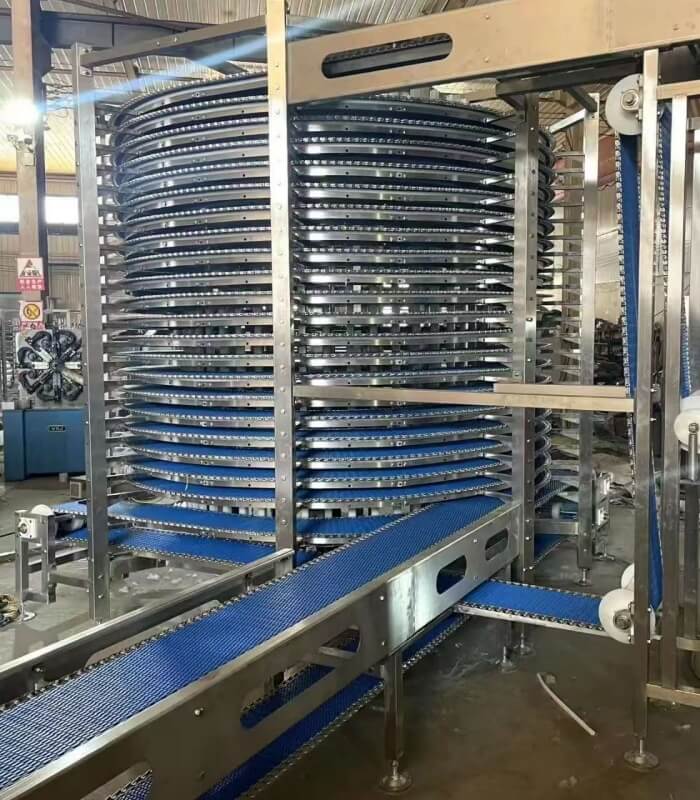
The layout of your production floor also dictates the plate type. Straight-running conveyors are simple, but many lines require curves. Side-flexing plastic chain plate designs allow the belt to turn corners. These flexible systems eliminate the need for complicated transfer points. This ensures a continuous flow and reduces the risk of product jams.
Maintenance cycles are a final consideration for your selection process. You should look for systems that allow for tool-less pin removal. This feature makes it easy for operators to perform quick repairs. When researching high-performance parts, it is wise to browse a professional plastic chain plate category to see various options. Comparing different series helps you match the pitch and strength to your machine.
Environmental factors like chemical exposure should never be ignored. If your facility uses acidic cleaners, choose a Polypropylene plastic chain plate. For high-speed applications requiring maximum wear life, Polyacetal remains the industry standard. Consulting with a specialist can prevent costly material failures. Proper selection ensures your conveyor runs smoothly throughout 2026 and beyond.
Longevity and Maintenance Standards in 2026
Ensuring the longevity of a plastic chain plate requires consistent monitoring. Even though these parts are durable, they eventually show signs of wear. You should inspect the sprocket engagement every six months for alignment. Misaligned sprockets can cause uneven wear on the plate hinges. This leads to premature failure and increased downtime.
Cleaning protocols contribute significantly to the lifespan of the system. A plastic chain plate should be cleaned with non-abrasive tools. Harsh scrubbing can create micro-scratches that harbor bacteria or debris. Rinsing the chain thoroughly after using chemical agents is vital. This prevents the chemicals from weakening the plastic structure over time.
Lubrication is often unnecessary for modern modular plastic systems. However, in extremely high-speed lines, a water-based lubricant may be used. This reduces friction and further cools the plastic chain plate during operation. In 2026, dry-running technology is becoming the standard for food safety. This eliminates the risk of lubricant contamination in sensitive products.
Summary
A plastic chain plate is a modular, lightweight component designed for efficient material handling. It provides superior corrosion resistance, noise reduction, and ease of maintenance compared to metal. By selecting the right material and design, industrial operators can maximize their production throughput. These plates represent the future of clean and quiet automated conveying.
FAQ
1. What is the main material used in a plastic chain plate?
Polyacetal (POM) is the most common material used for these plates. It offers the best balance of strength, low friction, and wear resistance. Other materials like Polypropylene and Polyethylene are used for specific temperature or chemical needs.
2. How do you replace a damaged plastic chain plate module?
You replace a module by removing the connecting pin in the damaged section. Once the pin is out, the broken link can be swapped for a new one. The pin is then reinserted to secure the modular chain back together.
3. Are plastic chain plates louder than metal chains?
No, plastic chain plates are significantly quieter than metal chains. They eliminate the metal-on-metal contact that causes high-frequency noise in factories. This makes them ideal for improving the working environment for employees.
4. Can these plates be used in freezing environments?
Yes, specific plastic chain plate models are designed for cold storage. Polyethylene (PE) is the preferred material for freezing temperatures as it does not become brittle. These chains perform reliably in temperatures as low as -70°C.
5. Do plastic chain plates require frequent lubrication?
Most modular plastic chains are designed for dry-running operations. The inherent low-friction properties of materials like POM make external oil unnecessary. This feature is particularly beneficial for food and pharmaceutical industries.
Reference Sources
Intralox Modular Plastic Belt Solutions